Press Release
Installation photo credit: Jeff McLane
Opening reception: May 9, 2026 4 – 6pm
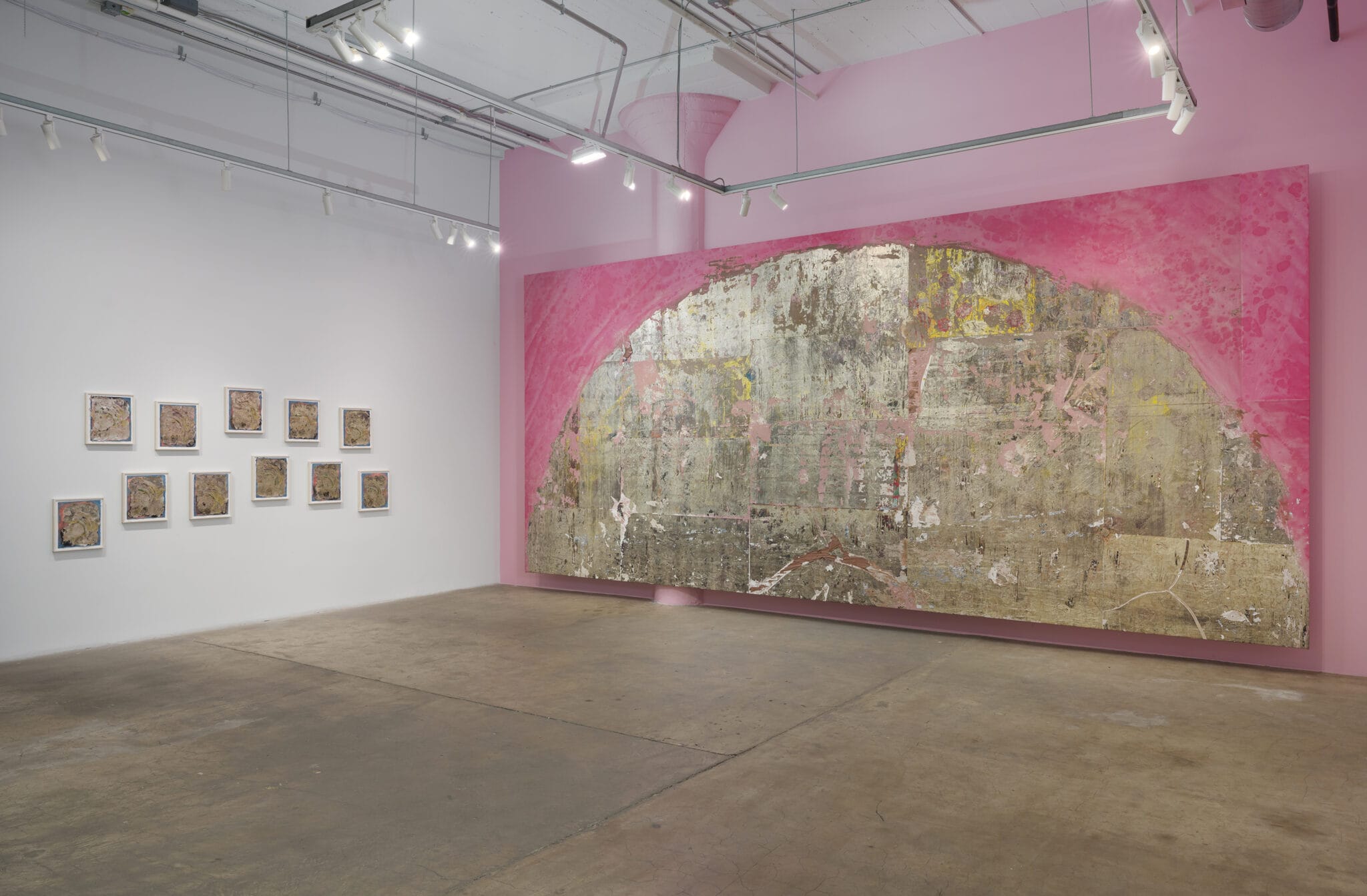
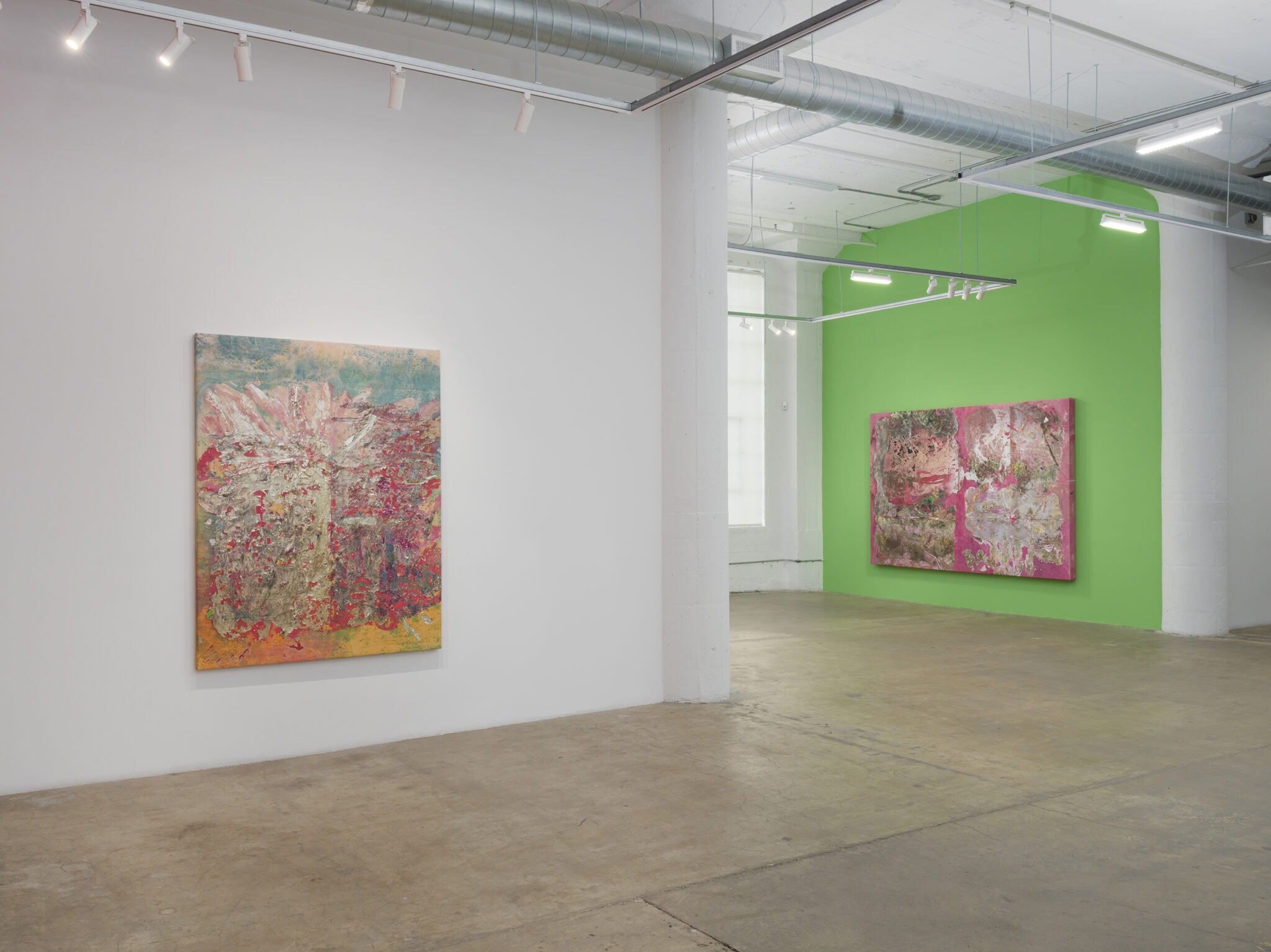
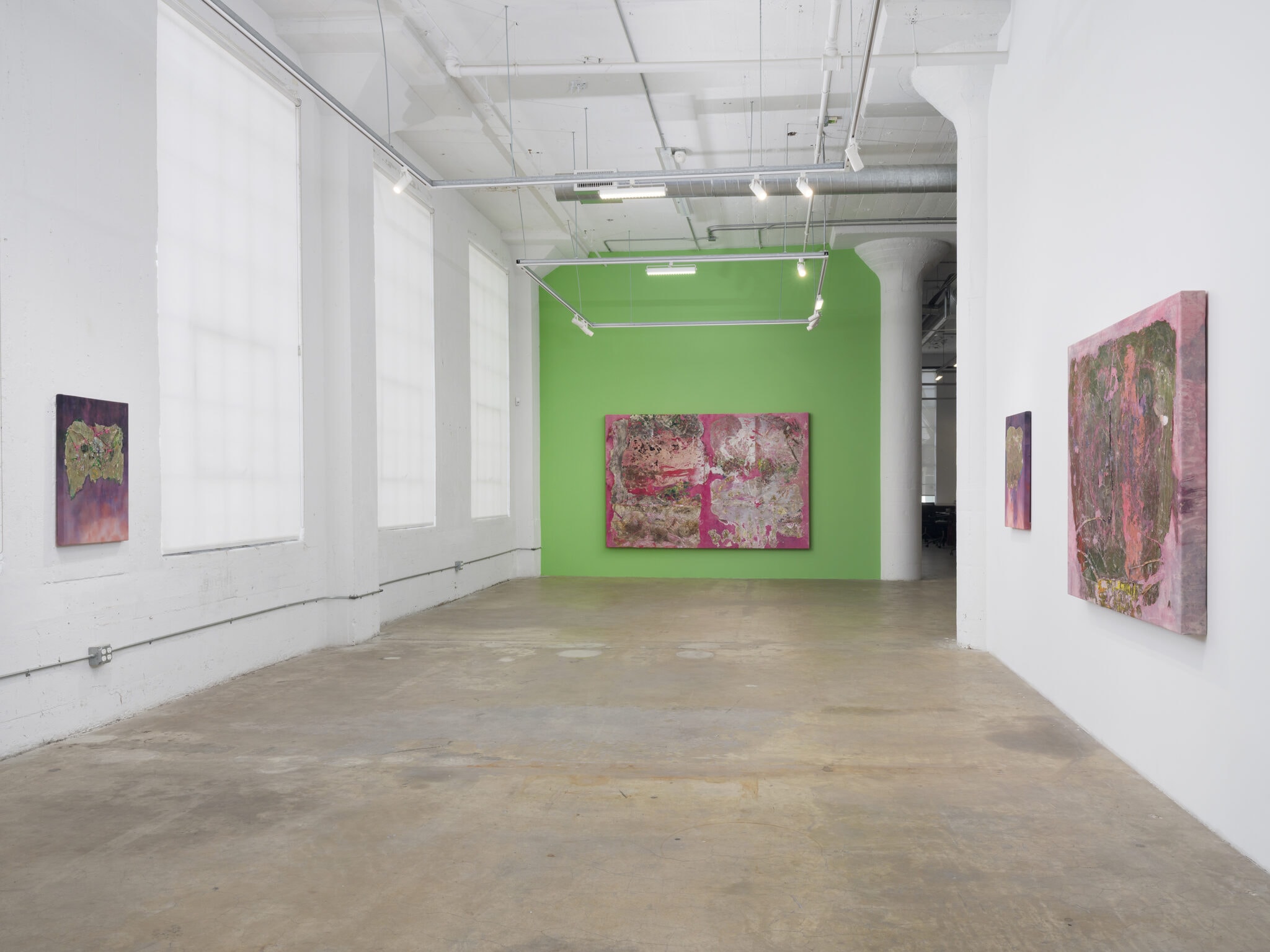
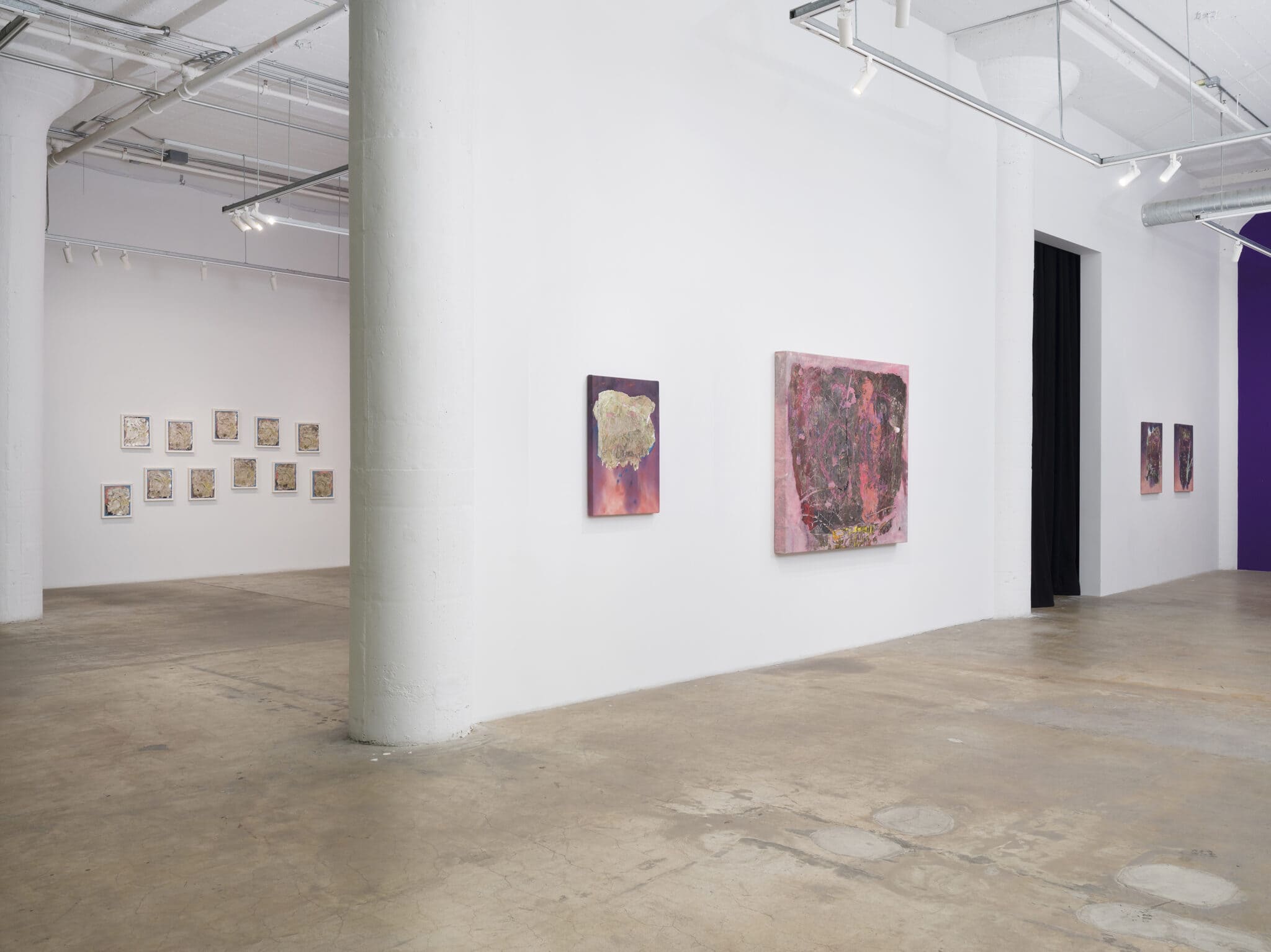
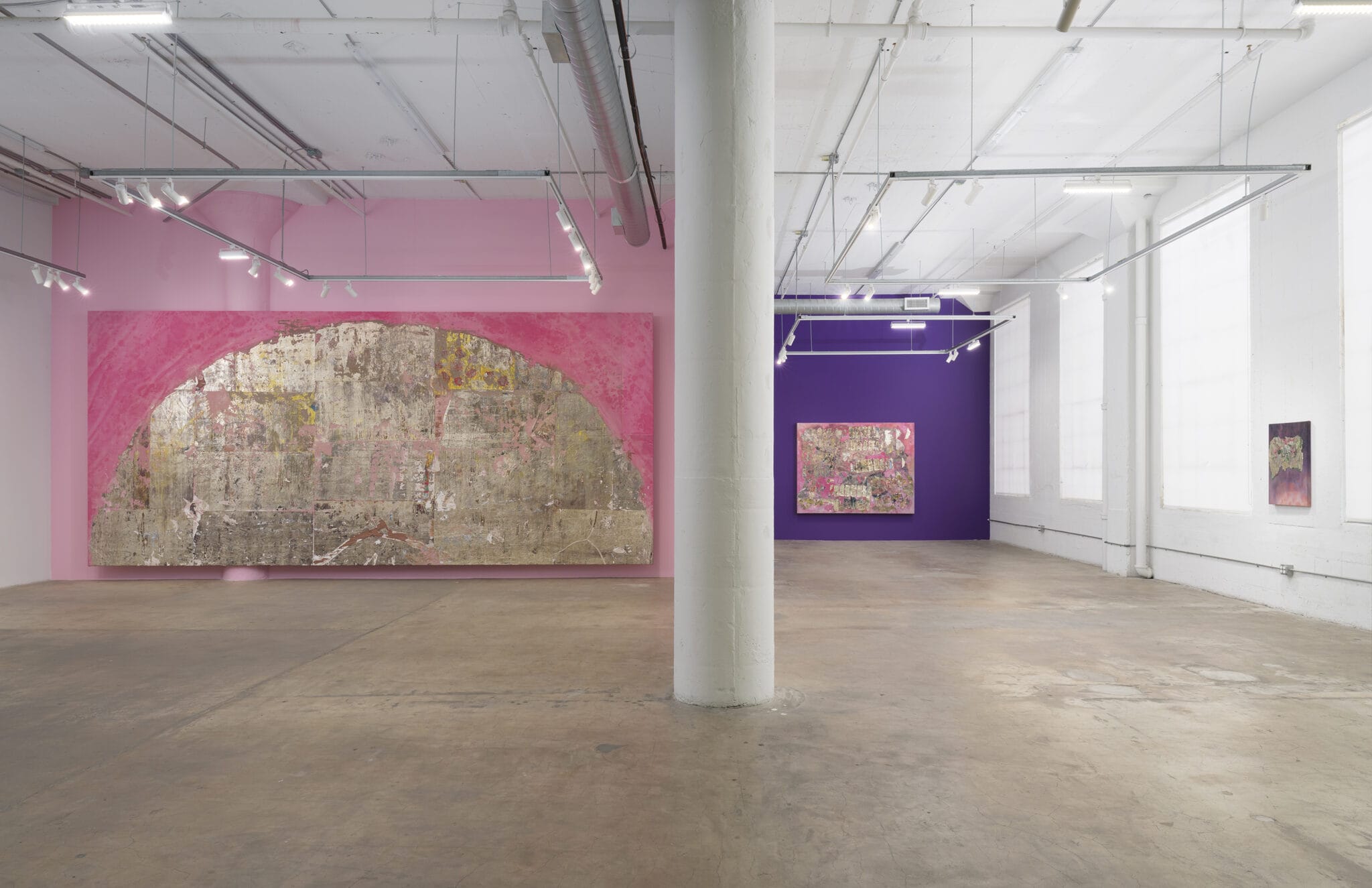
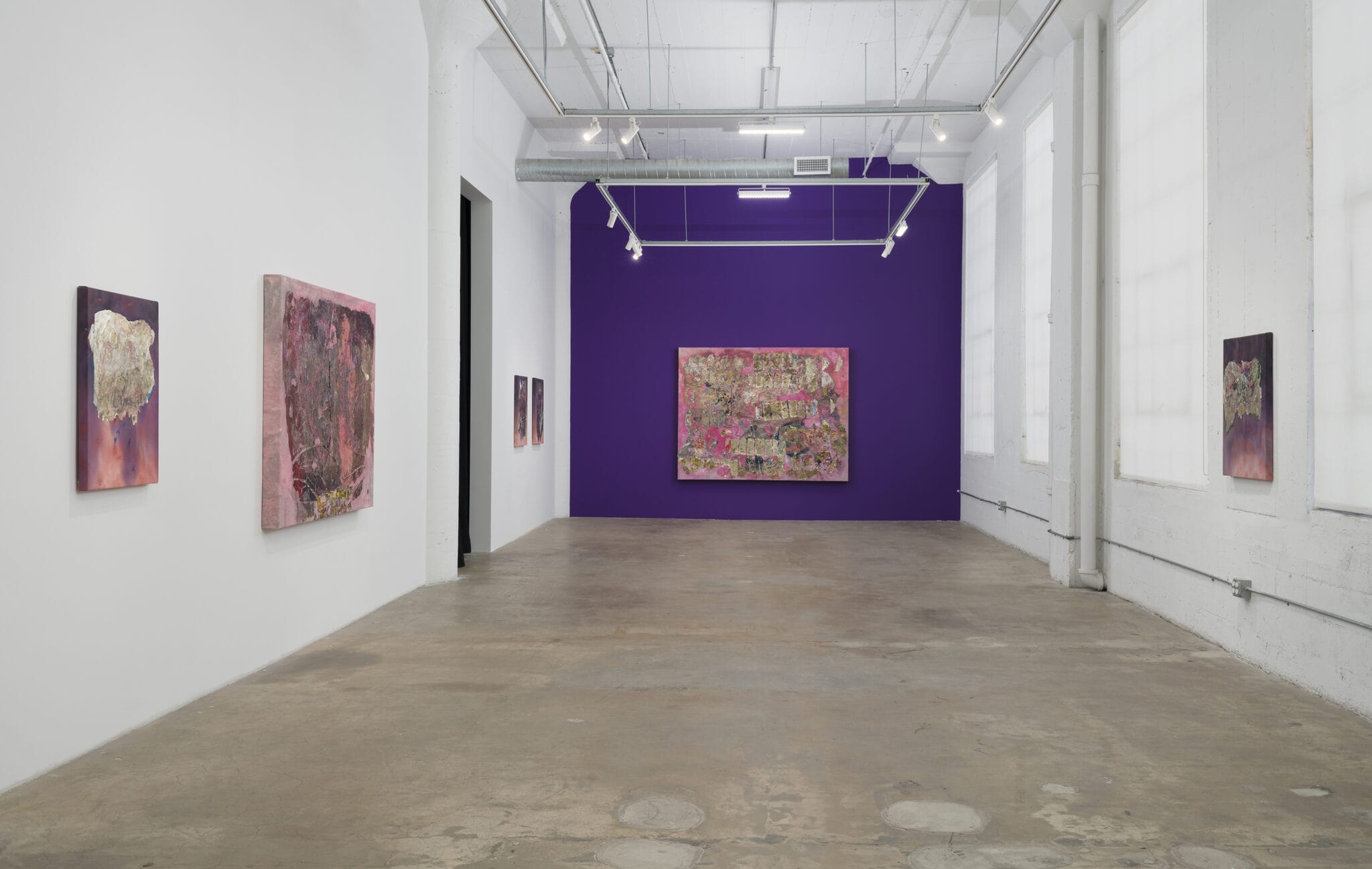
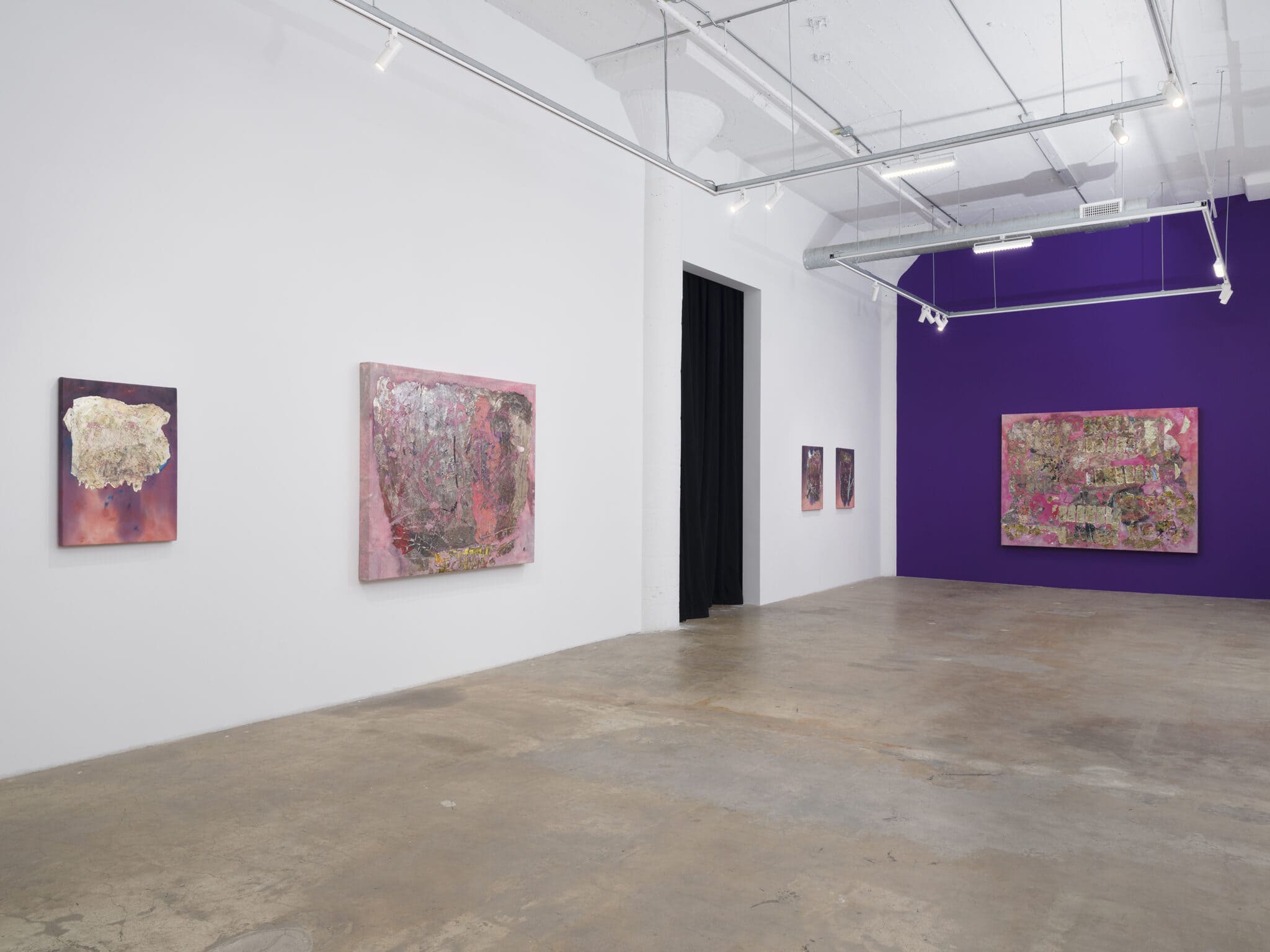
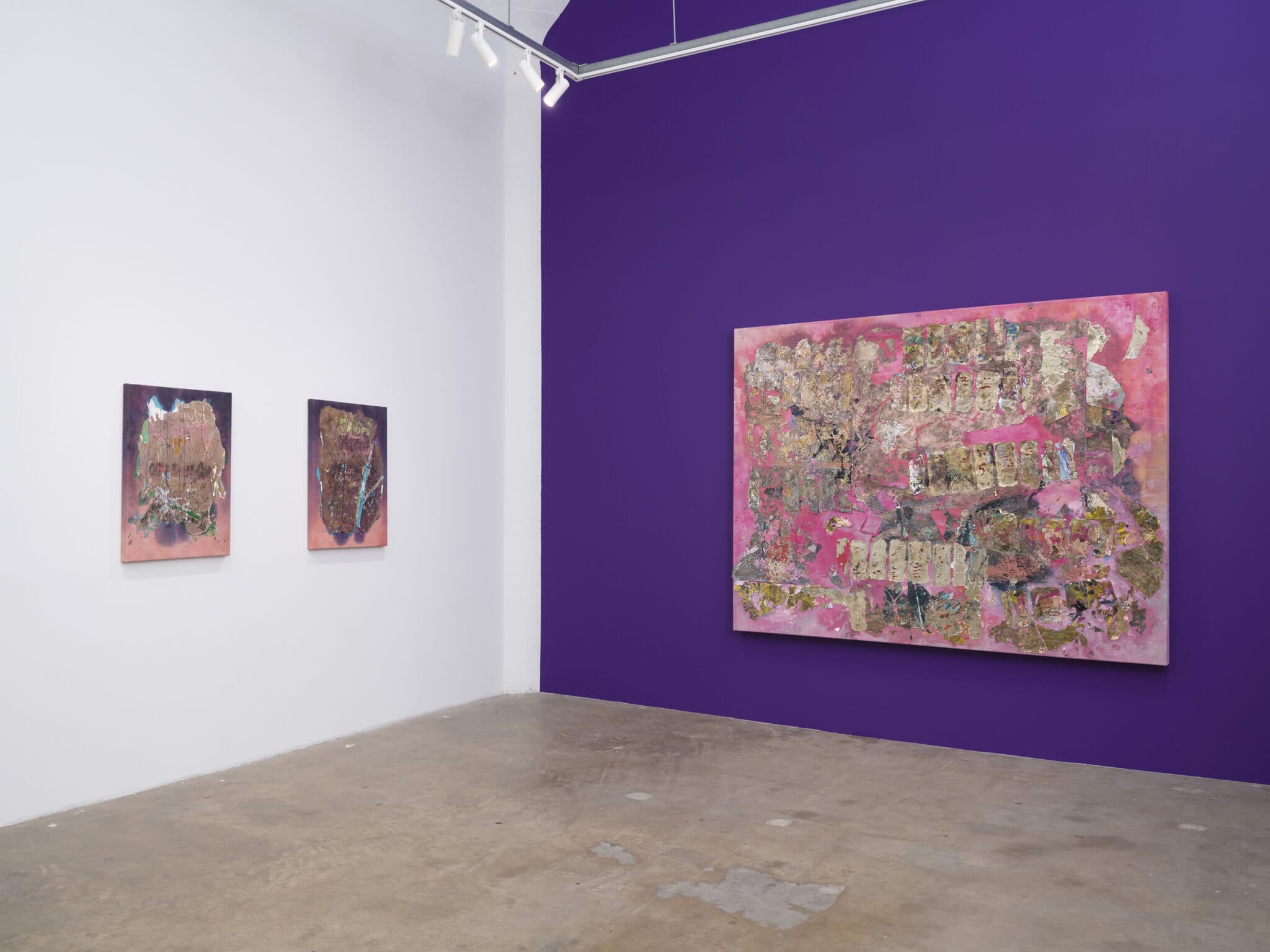
Vielmetter Los Angeles is pleased to present We Are Gods, Edgar Arceneaux’s twelfth solo exhibition with the gallery, on view from May 9th through June 27th, 2026.
On the occasion of the exhibition, curator and writer Jenelle Porter reflects on Arceneaux’s newest body of work:
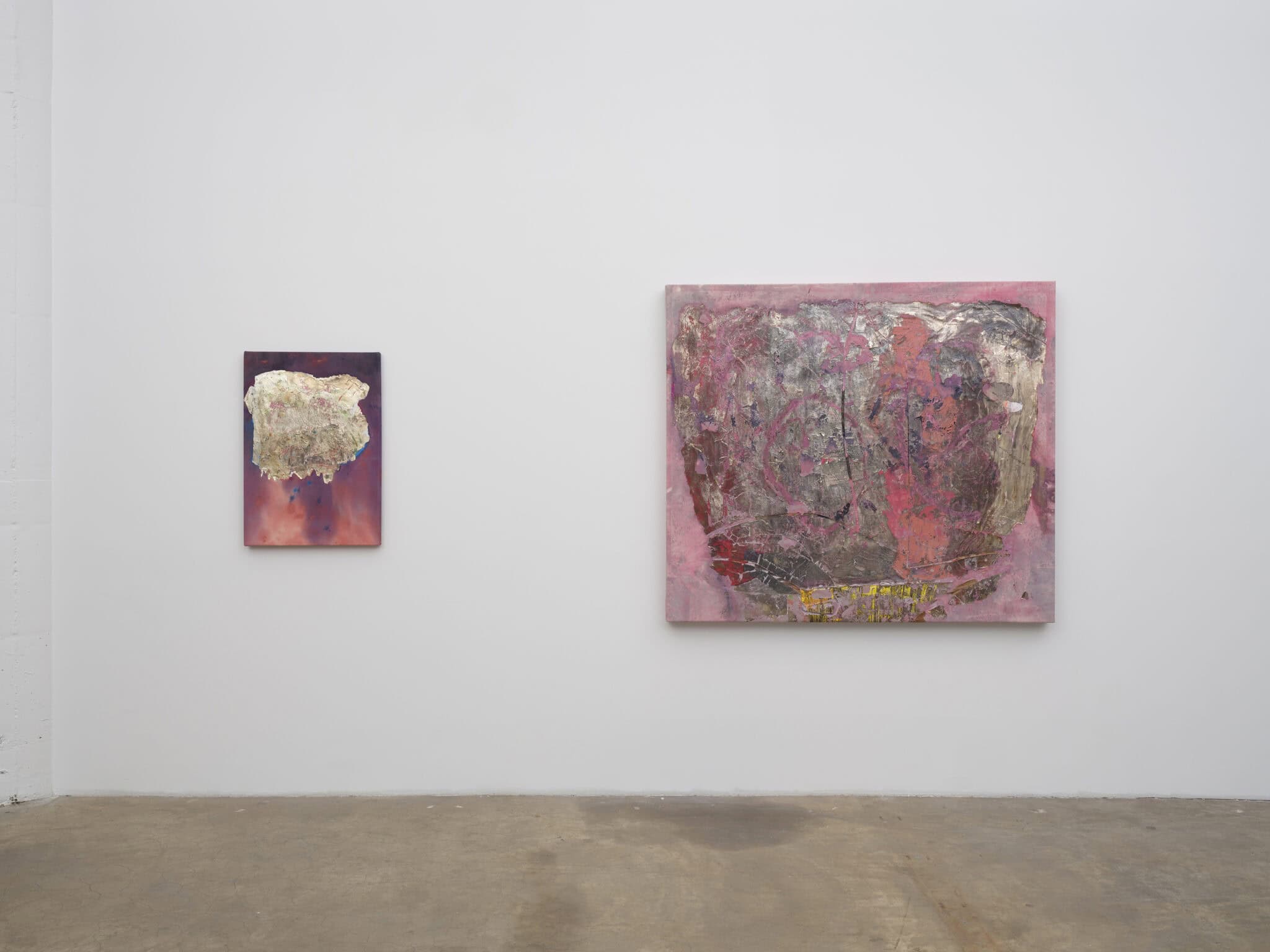
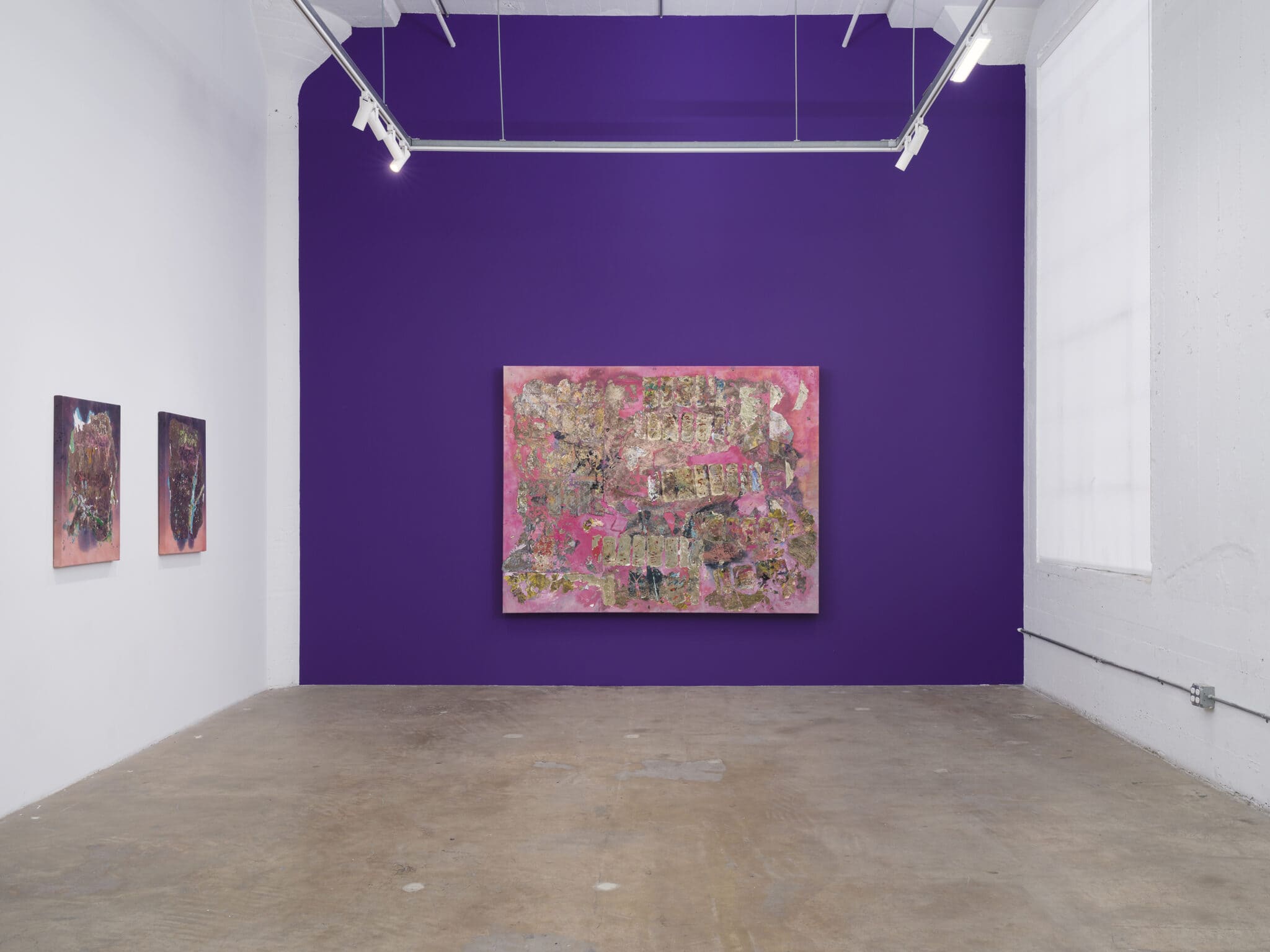
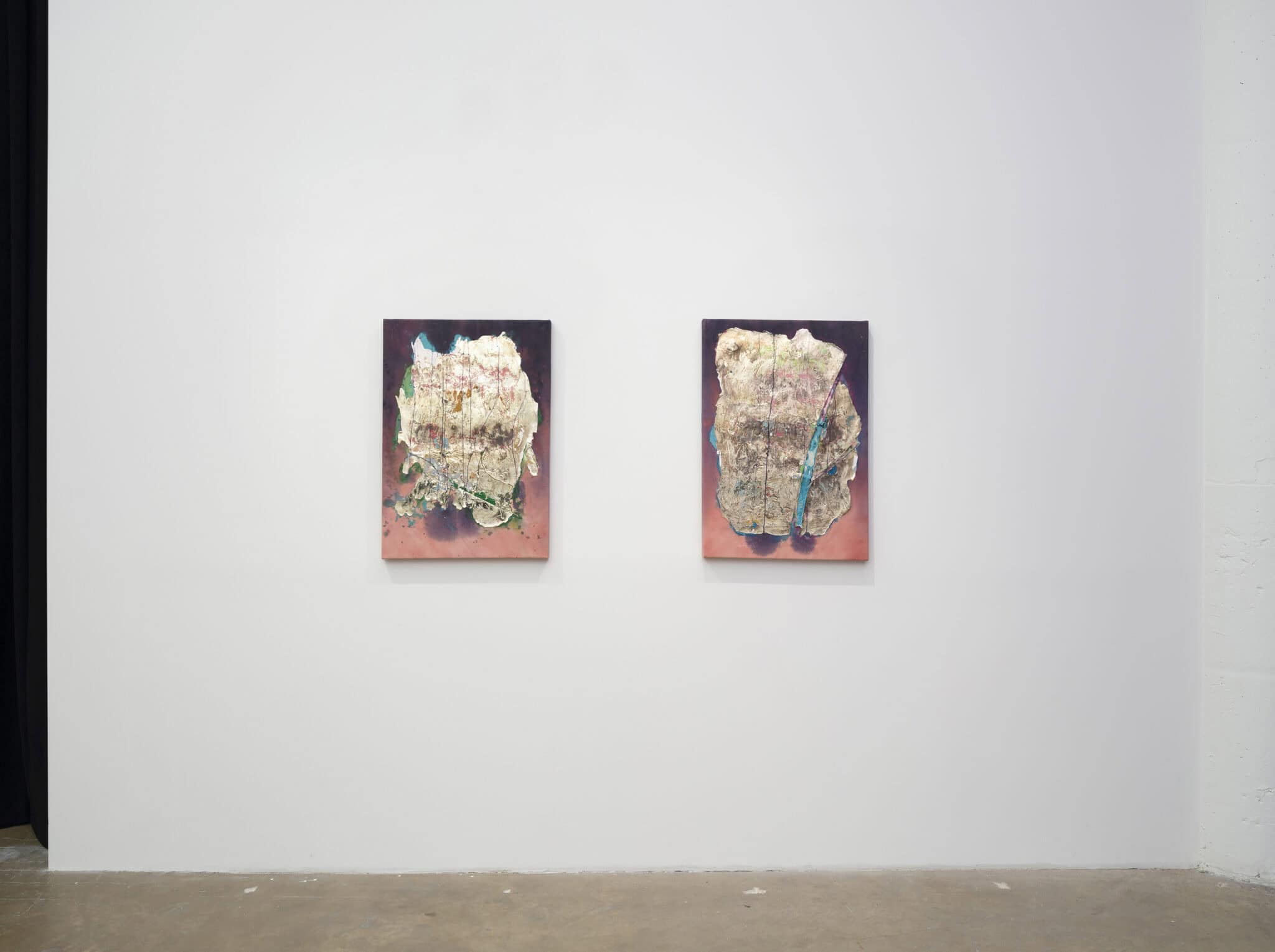
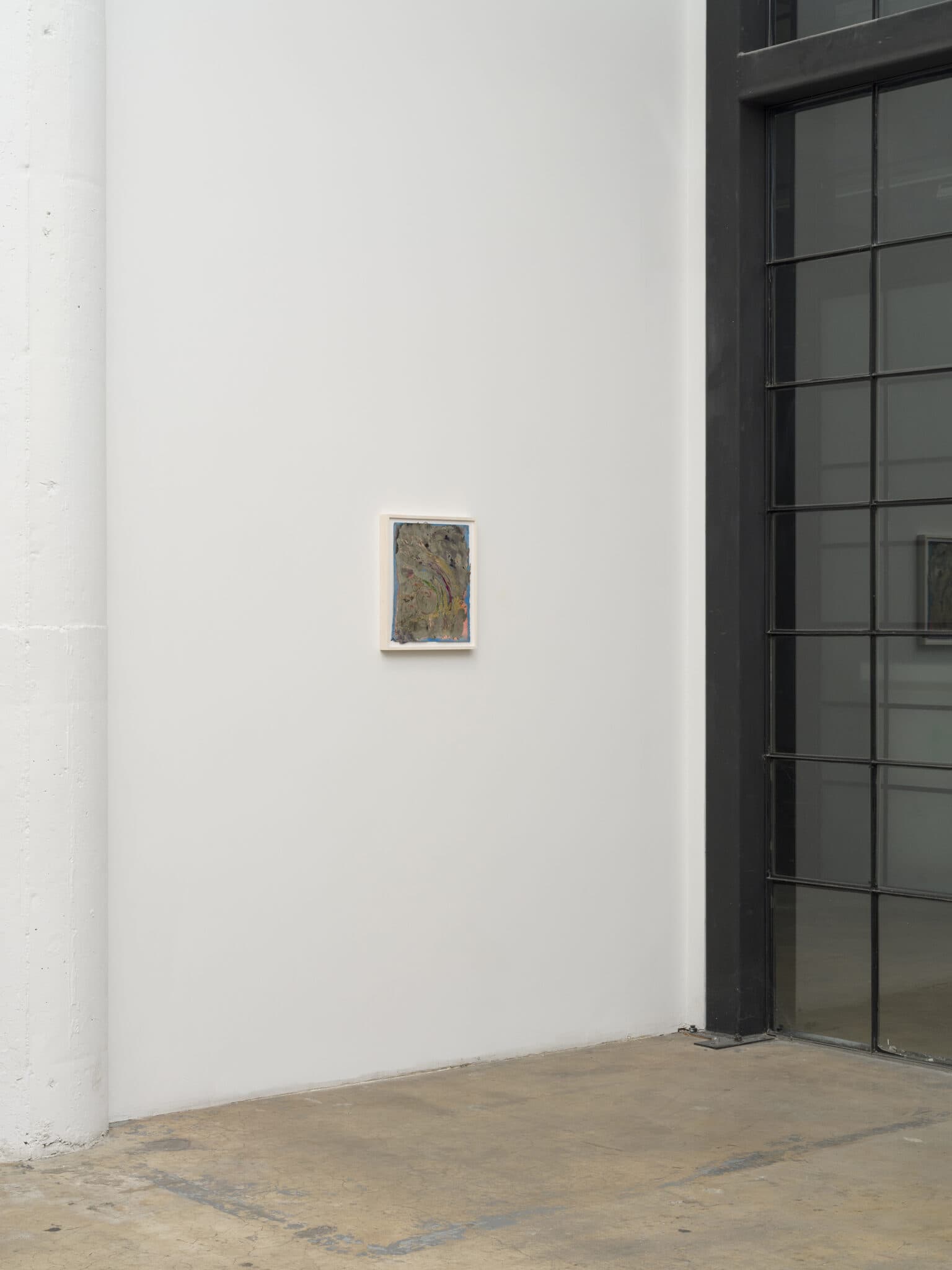
“In 2020, Edgar Arceneaux added process painting to his multimedia art practice. The paintings included in We Are Gods continue this sustained inquiry of the intersection of abstraction and materiality. The exhibition title alludes to a metaphysical continuum that connects life and death. This is the artist’s third gathering of Skinning the Mirror, an ongoing series of paintings composed of acrylic and mirror on canvas. Making paintings from small to mural size, Arceneaux tests material processes against scale as a means to consider a body in relation to vision, and in relation to making. The paintings comprising We Are Gods demonstrate Arceneaux’s expanding investigations of expression via color and composition.
The series title Skinning the Mirror directs our attention to process; it is simply what has to be done to make the work. Arceneaux skins mirrors, separating the reflecting skin of silver nitrate from a sourced glass mirror. Compositions emerge by chance and by design, with the artist steering entropic forces. Removal, mirror, and laborious chemical processes have been integral to Arceneaux’s work since at least 1999, when he began Drawings of Removal, a series of drawing installations that made tangible memories and places erased from both personal and public histories. These works were about his father. The concept and practice of removal was, for the artist, a form of accounting, and then, as an ongoing series, an accumulation. The mirror as warping device is central to the Library of Black Lies (2013–18). While Arceneaux’s recent abstractions may seem a significant shift in his oeuvre, Skinning the Mirror continues his critical inquiry of mirror and mirroring, metaphorical vision and blindness, and dismantling to create.
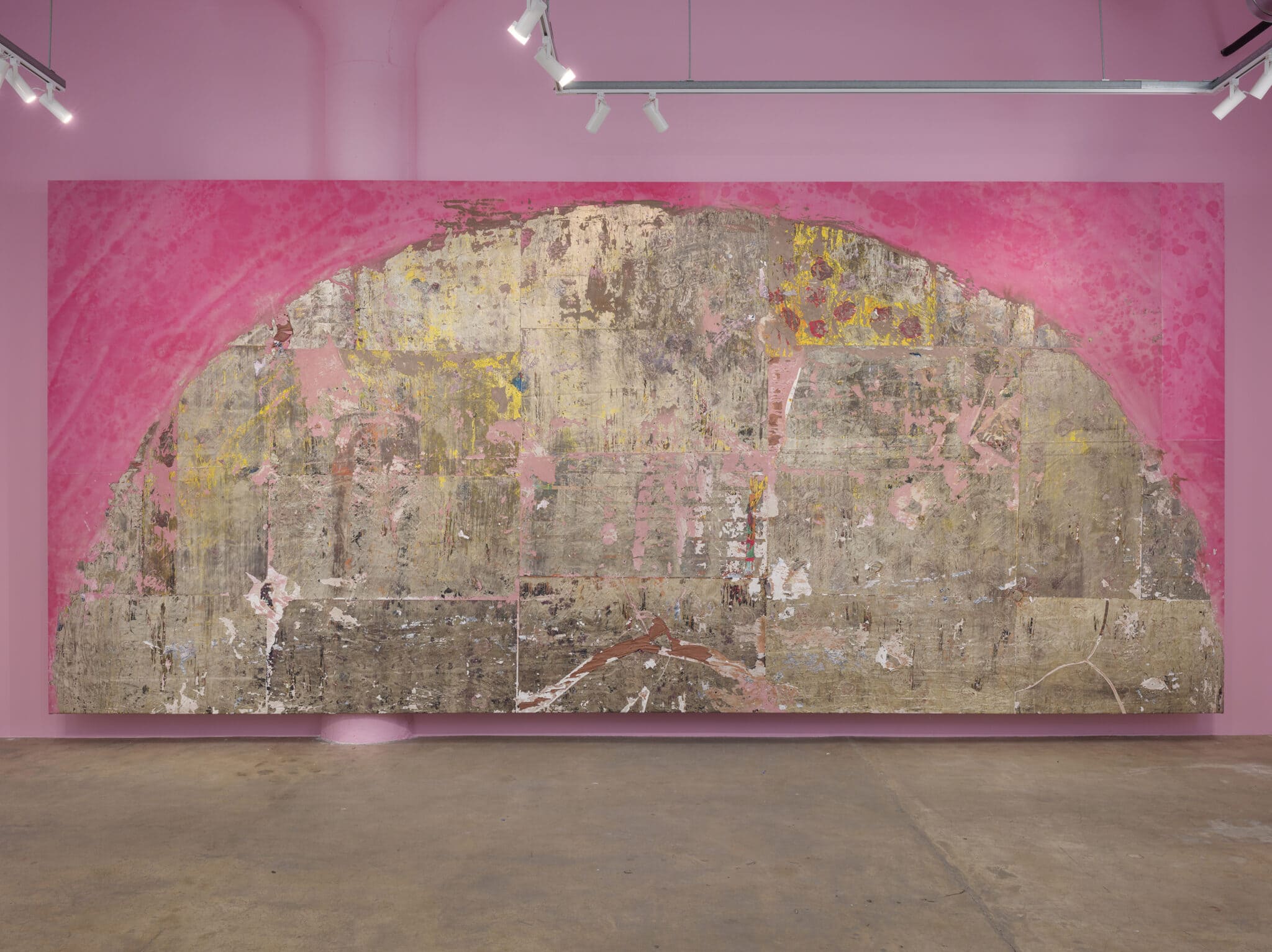
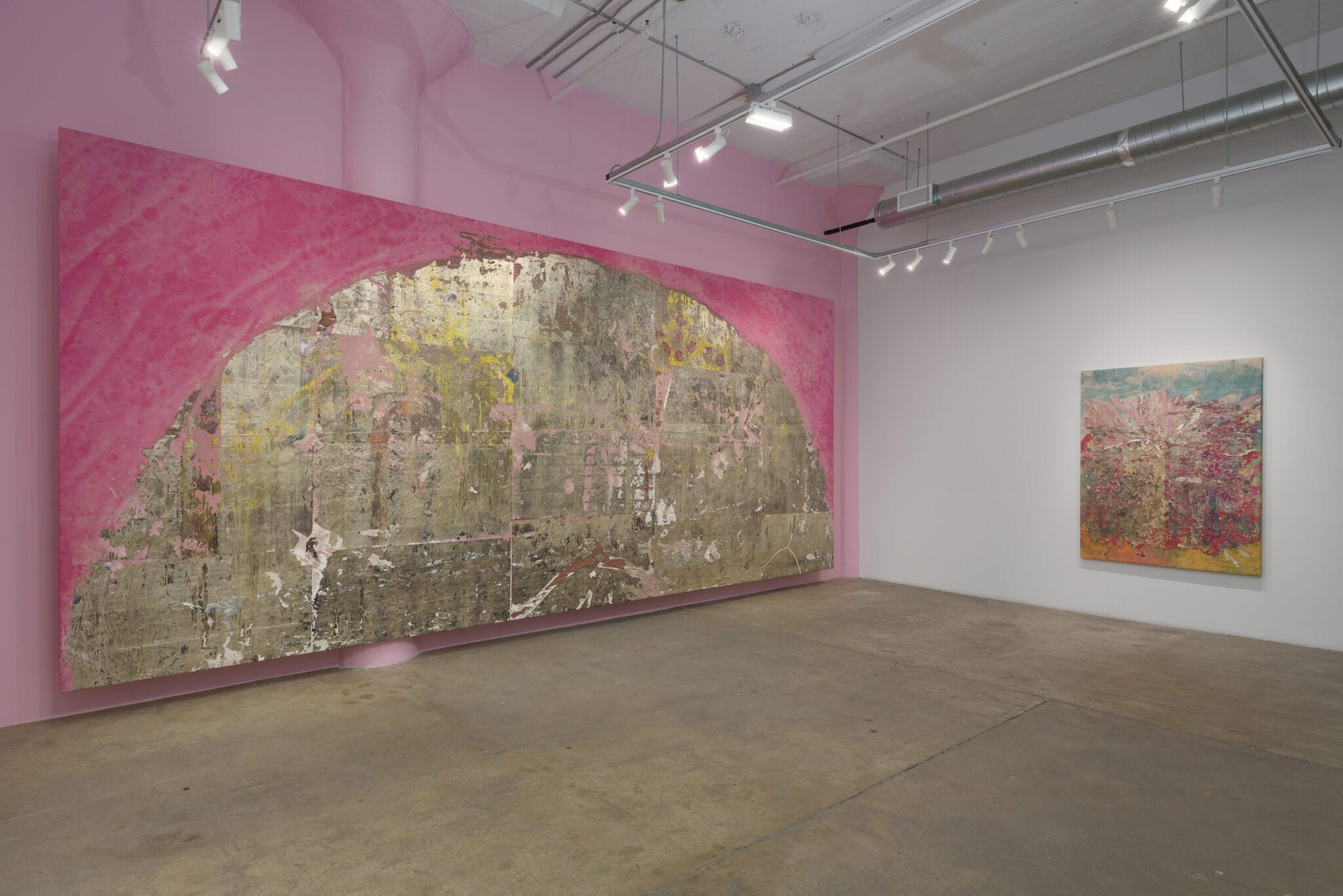
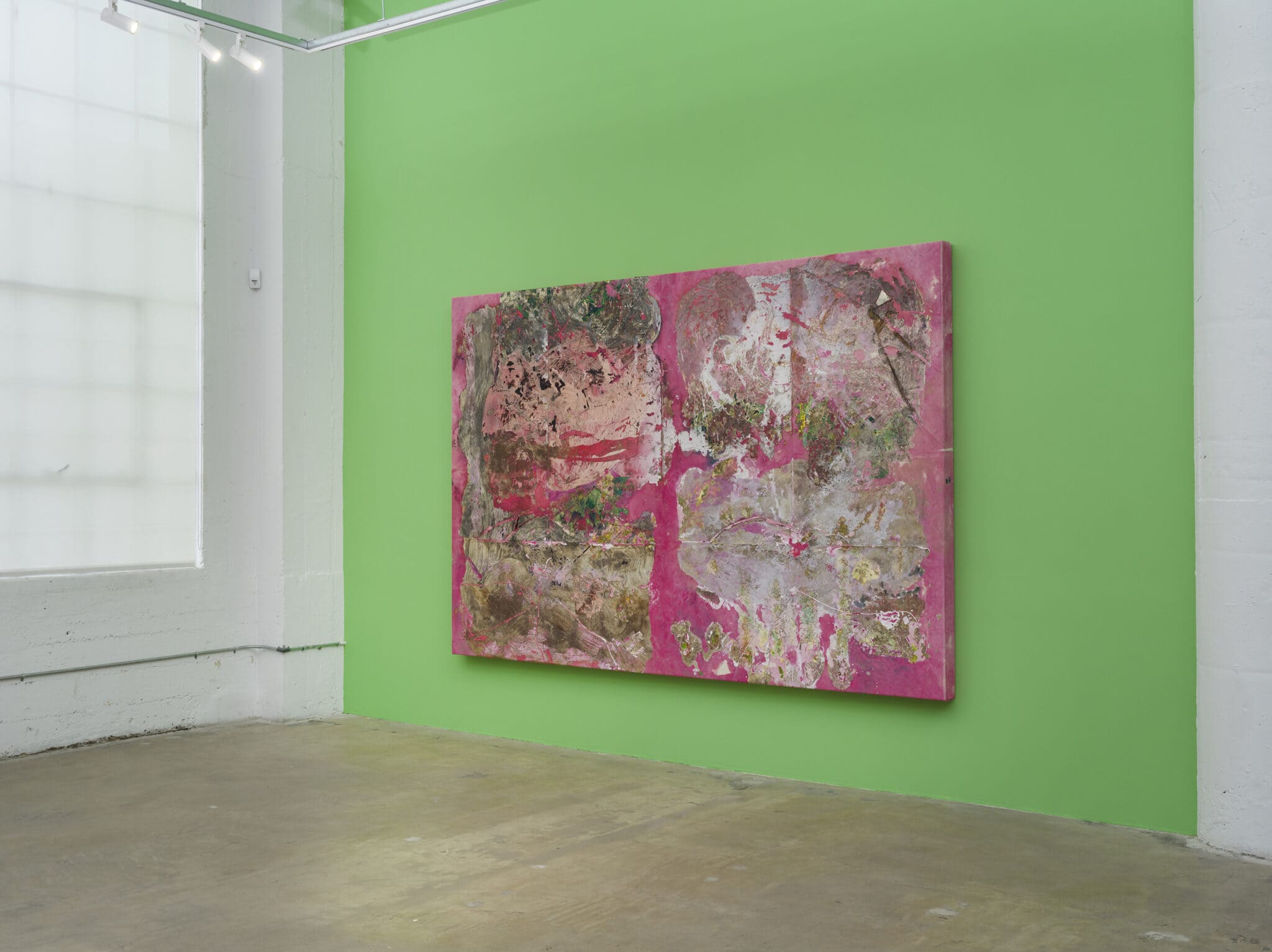
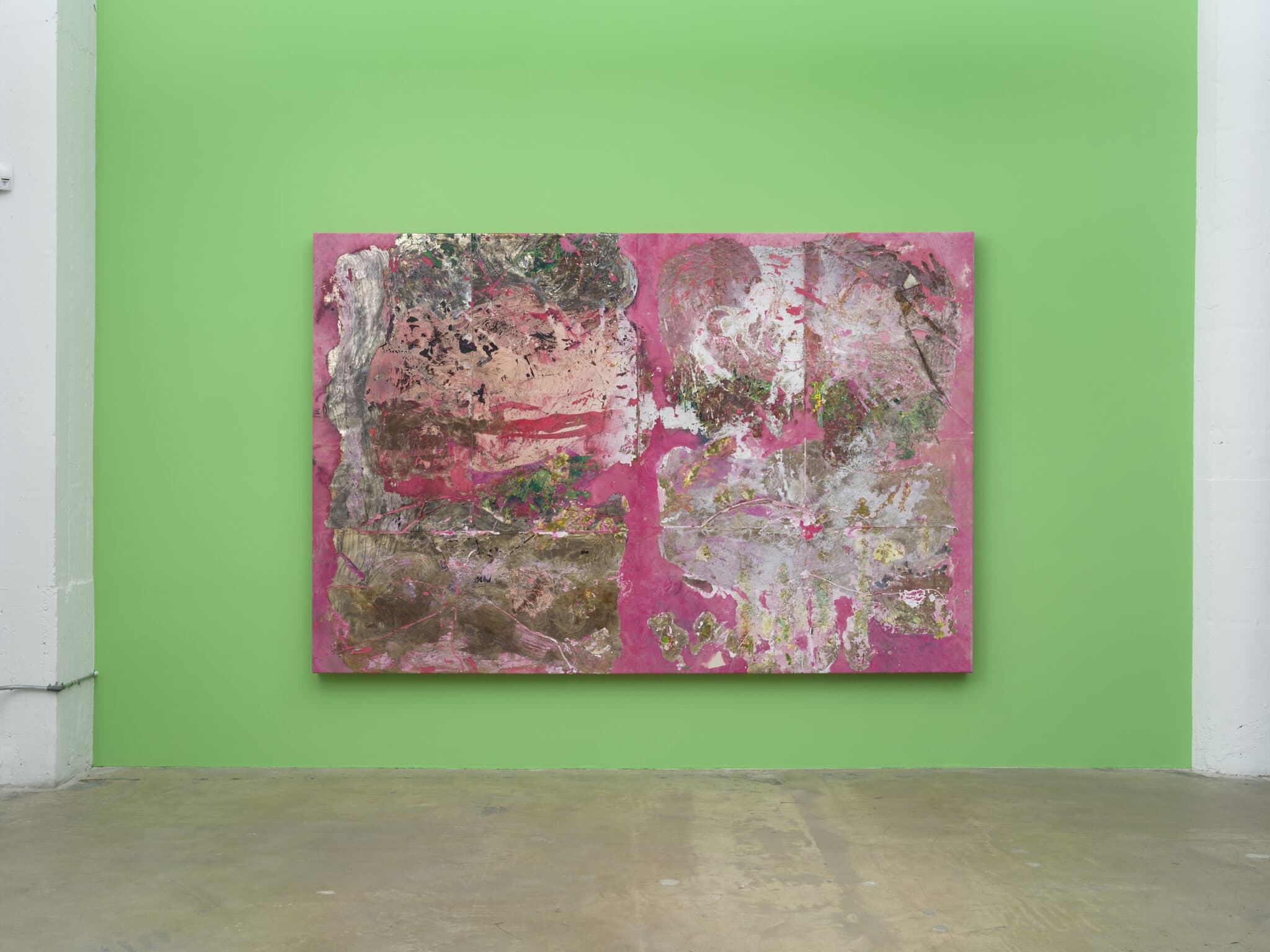
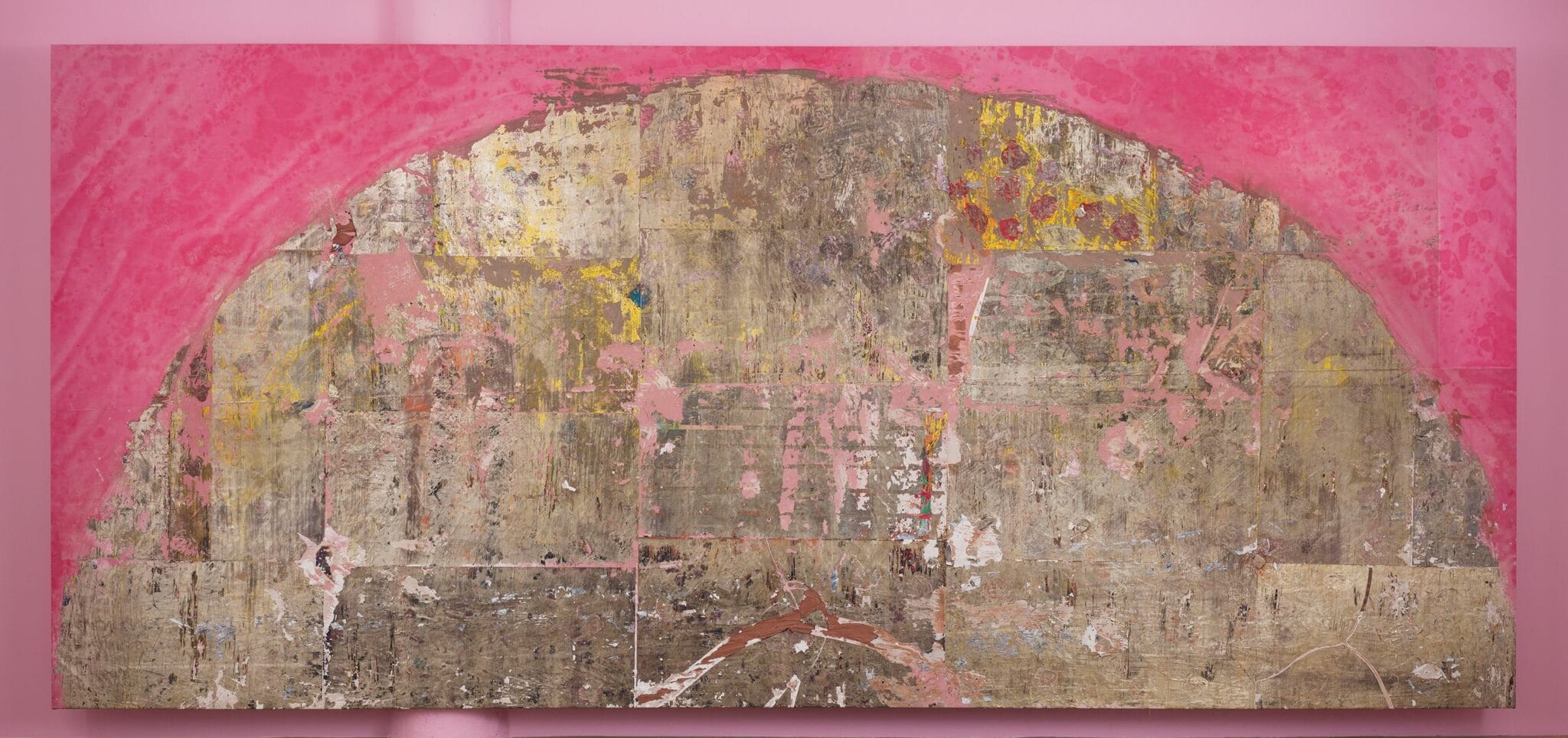
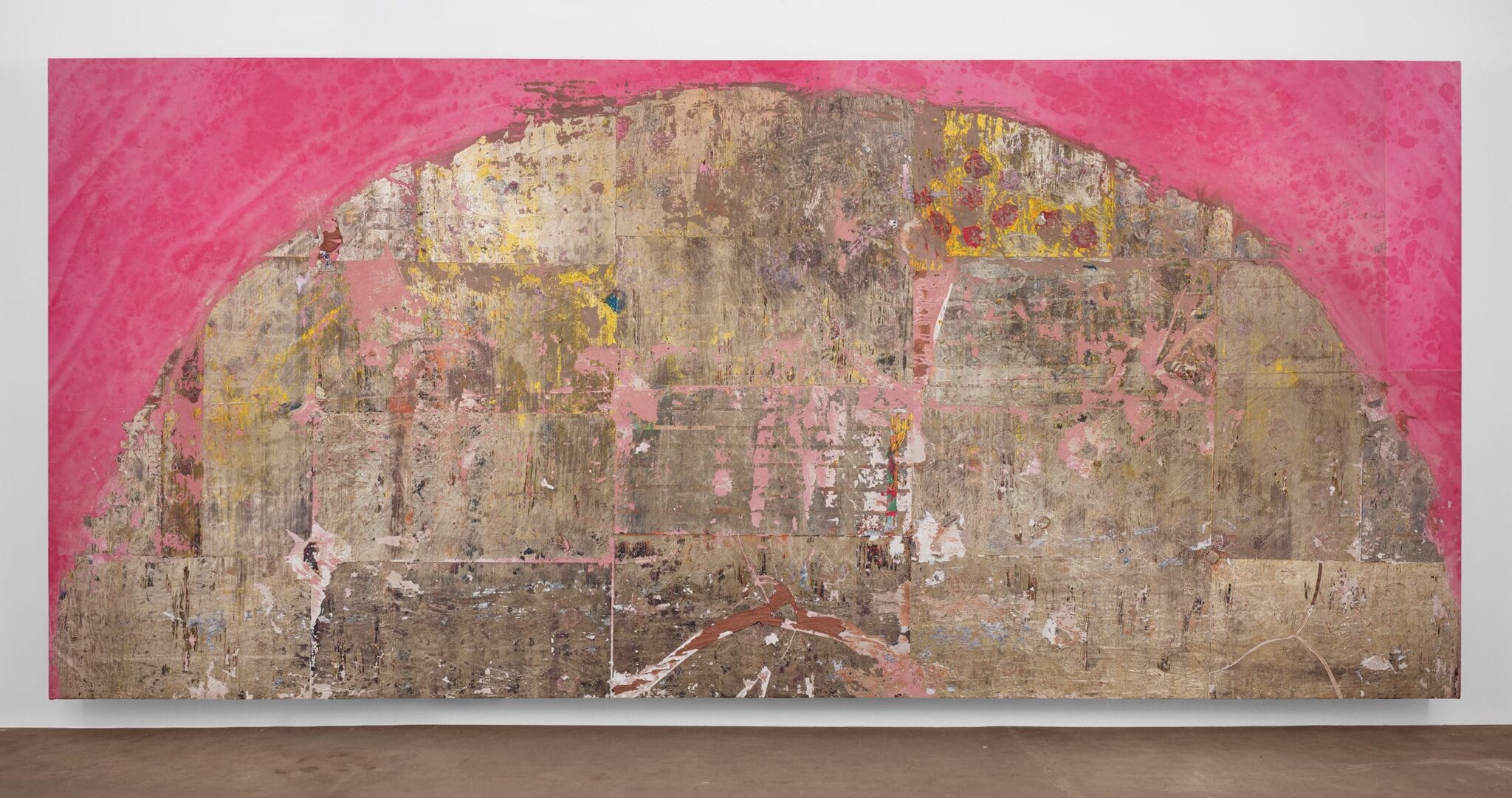
Arceneaux’s engagement with abstraction and process painting should be considered within a continuum of making that clicks through Rauschenberg’s layered transfers, Frankenthaler’s lush stains, and Whitten’s mosaiced tesserae. In Arceneaux’s latest works, the unifying motif is pink, a color that leads me to the studio doorstep of Philip Guston whose admixtures of cadmium red medium and titanium white ranged from rotting meat to bubblegum. Guston owns pink. But pink is one of those colors that remains so little used by artists that I’m inclined to make unsupported claims that pink doesn’t signify in painting histories in ways other colors have and do; the way black does, or blue, or green. In April 2026, when I look at Arceneaux’s work, I’m asking this: is pink the color of time? Amidst this breakage, is pink keeping time? Pink grounds these paintings in a state of perpetual flux. In Arceneaux’s figure/ground interactions, pink is warm to silver’s cool, softness to metallic glint, the flesh on the bone shards.
Let’s think about breaking, because it feels like the world is breaking. Arceneaux breaks mirrors. That is how the shimmer you see on the canvas comes to be. Glass and mirror direct the gaze; here the artist fractures that gaze. However, I’m disinclined to think about breaking, in this case, as broken. Rather, I think these paintings break something open, break down to build back; they are fracturing devices for optical multiplication. Breakage and repair aren’t just processes for the artist, they’re methodologies. This is some high-altitude thinking, so I’ll return us to this world and to the artist’s most personal impulses, specifically to that which he shares publicly, that while his mother succumbed to dementia, the skinned mirrors came to symbolize how bodies break, yet continue to exist in their children and in metaphorical manifestations. In a second chapter of this series, the artist materialized the atmosphere by exposing the painting’s surfaces to shed DNA proteins. Not unlike photosensitive chemicals that capture an image, Arceneaux’s surfaces document, without fixing, their atmosphere/setting. The paintings become sites where the poetics of self-meet the poetics of material.” – Jenelle Porter, April 2026
“Half Light,” 2024-2026
Silver nitrate, acrylic paint on canvas
10' 8" x 23' 7" [HxW] (325.12 x 718.82 cm)
Inventory #ARC805
Signed and dated on verso
Courtesy of the artist and Vielmetter Los Angeles
Photo credit: Jeff McLane
“Half Light,” 2024-2026
Silver nitrate, acrylic paint on canvas
10' 8" x 23' 7" [HxW] (325.12 x 718.82 cm)
Inventory #ARC805
Signed and dated on verso
Courtesy of the artist and Vielmetter Los Angeles
Photo credit: Jeff McLane
“Half Light,” 2024-2026
Silver nitrate, acrylic paint on canvas
10' 8" x 23' 7" [HxW] (325.12 x 718.82 cm)
Inventory #ARC805
Signed and dated on verso
Courtesy of the artist and Vielmetter Los Angeles
Photo credit: Jeff McLane
“Togetherness,” 2026
Silver nitrate, acrylic paint on canvas
73" x 56" x 1 ³⁄₄" [HxWxD] (185.42 x 142.24 x 4.45 cm)
Inventory #ARC783
Signed, titled and dated on verso
Courtesy of the artist and Vielmetter Los Angeles
Photo credit: Brica Wilcox
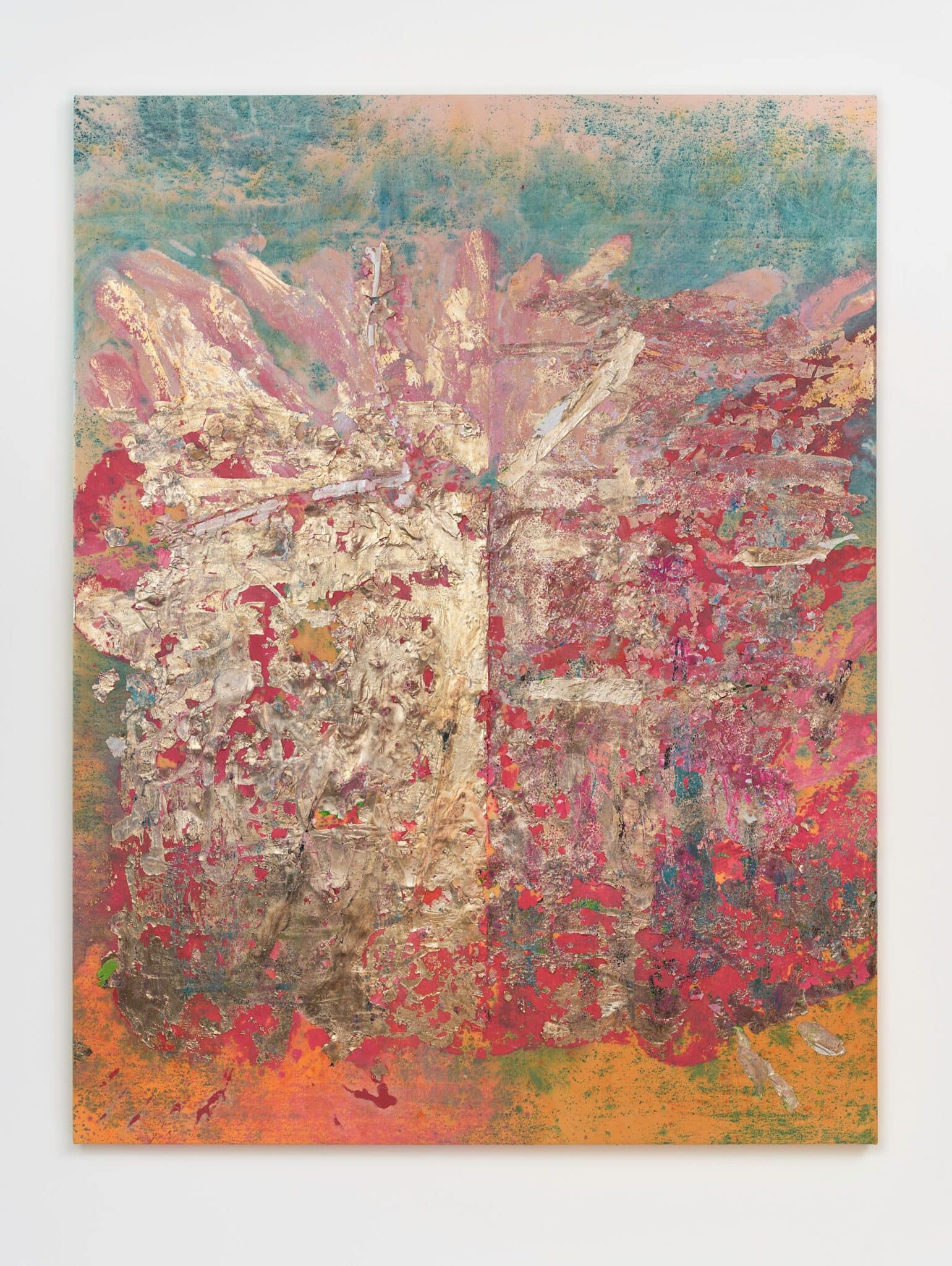
“Togetherness,” 2026
Silver nitrate, acrylic paint on canvas
73" x 56" x 1 ³⁄₄" [HxWxD] (185.42 x 142.24 x 4.45 cm)
Inventory #ARC783
Signed, titled and dated on verso
Courtesy of the artist and Vielmetter Los Angeles
Photo credit: Brica Wilcox
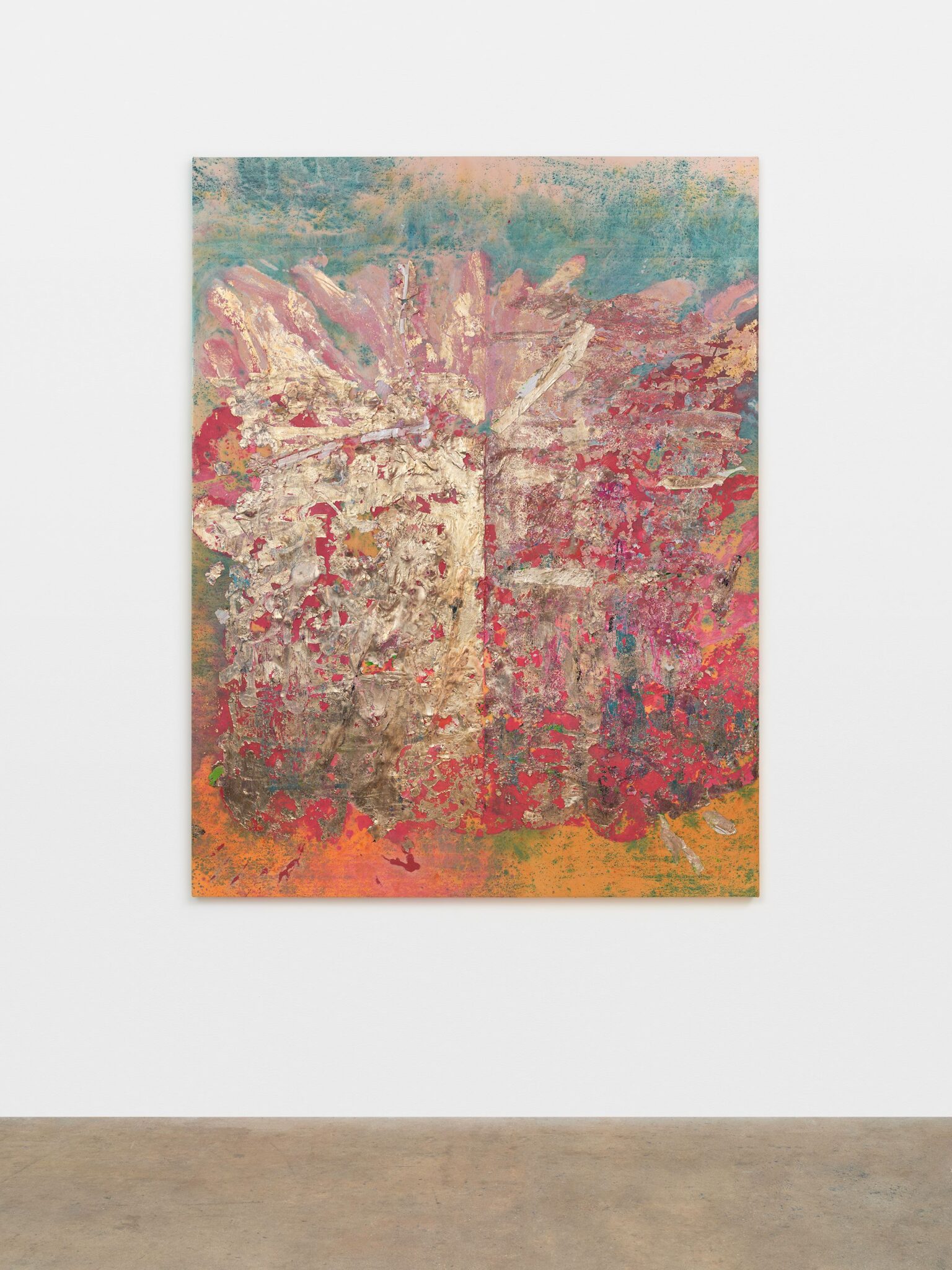
“Togetherness,” 2026
Silver nitrate, acrylic paint on canvas
73" x 56" x 1 ³⁄₄" [HxWxD] (185.42 x 142.24 x 4.45 cm)
Inventory #ARC783
Signed, titled and dated on verso
Courtesy of the artist and Vielmetter Los Angeles
Photo credit: Brica Wilcox
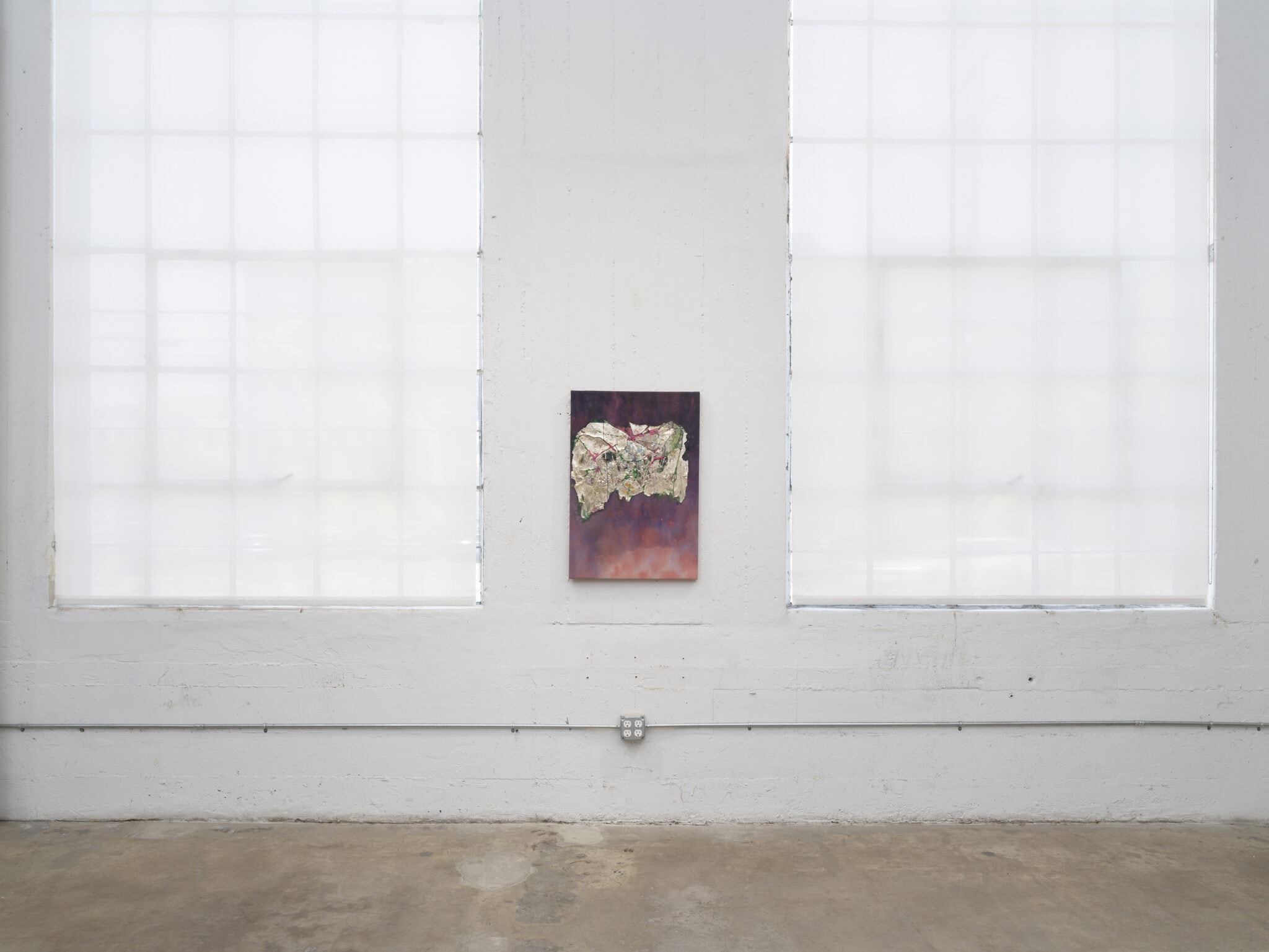
“We Are Gods 2,” 2026
Silver nitrate, acrylic paint on canvas
32" x 22" x 1 ¹⁄₂" [HxWxD] (81.28 x 55.88 x 3.81 cm)
Inventory #ARC789
Signed, titled and dated on verso
Courtesy of the artist and Vielmetter Los Angeles
Photo credit: Brica Wilcox
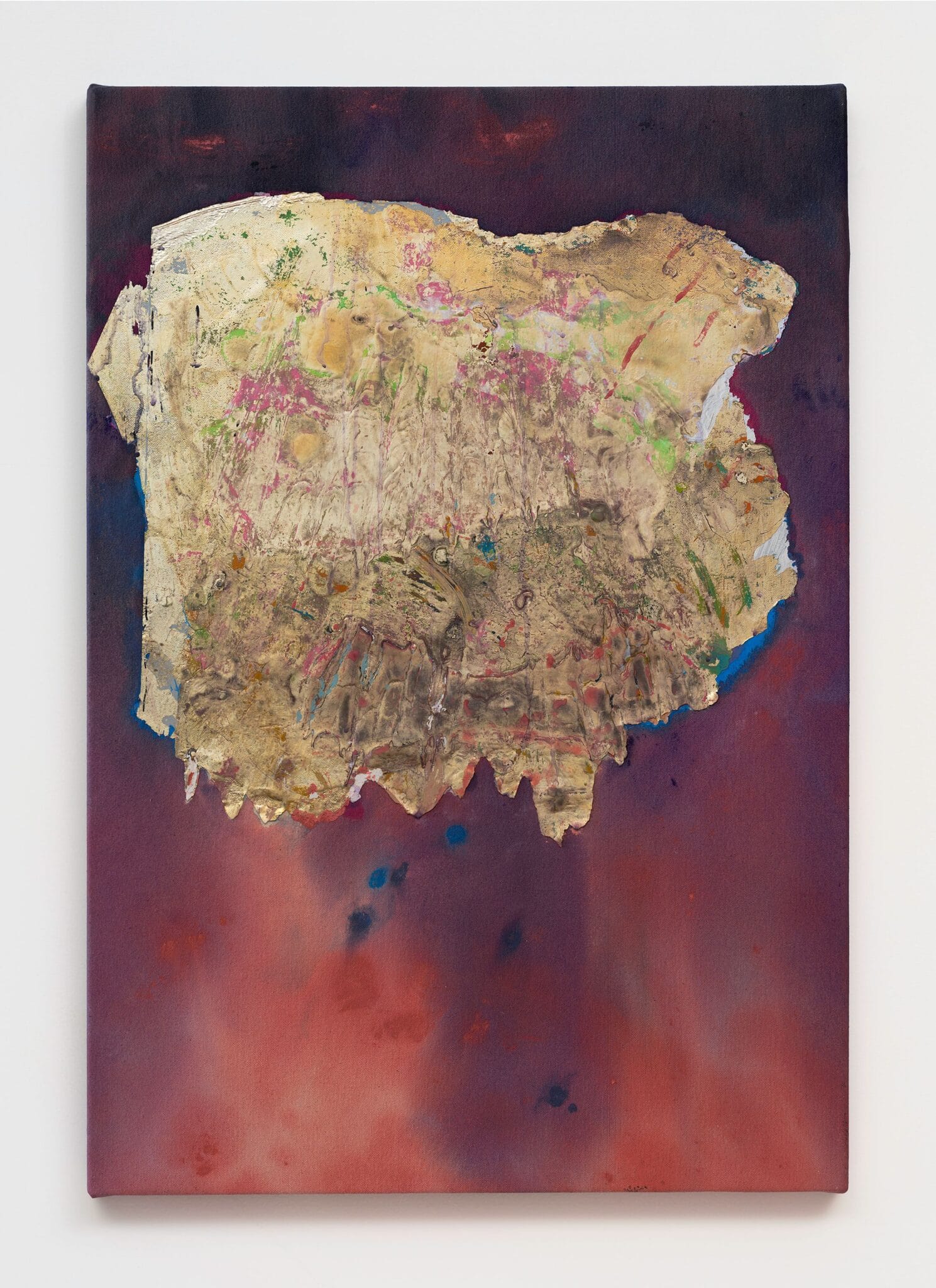
“We Are Gods 2,” 2026
Silver nitrate, acrylic paint on canvas
32" x 22" x 1 ¹⁄₂" [HxWxD] (81.28 x 55.88 x 3.81 cm)
Inventory #ARC789
Signed, titled and dated on verso
Courtesy of the artist and Vielmetter Los Angeles
Photo credit: Brica Wilcox
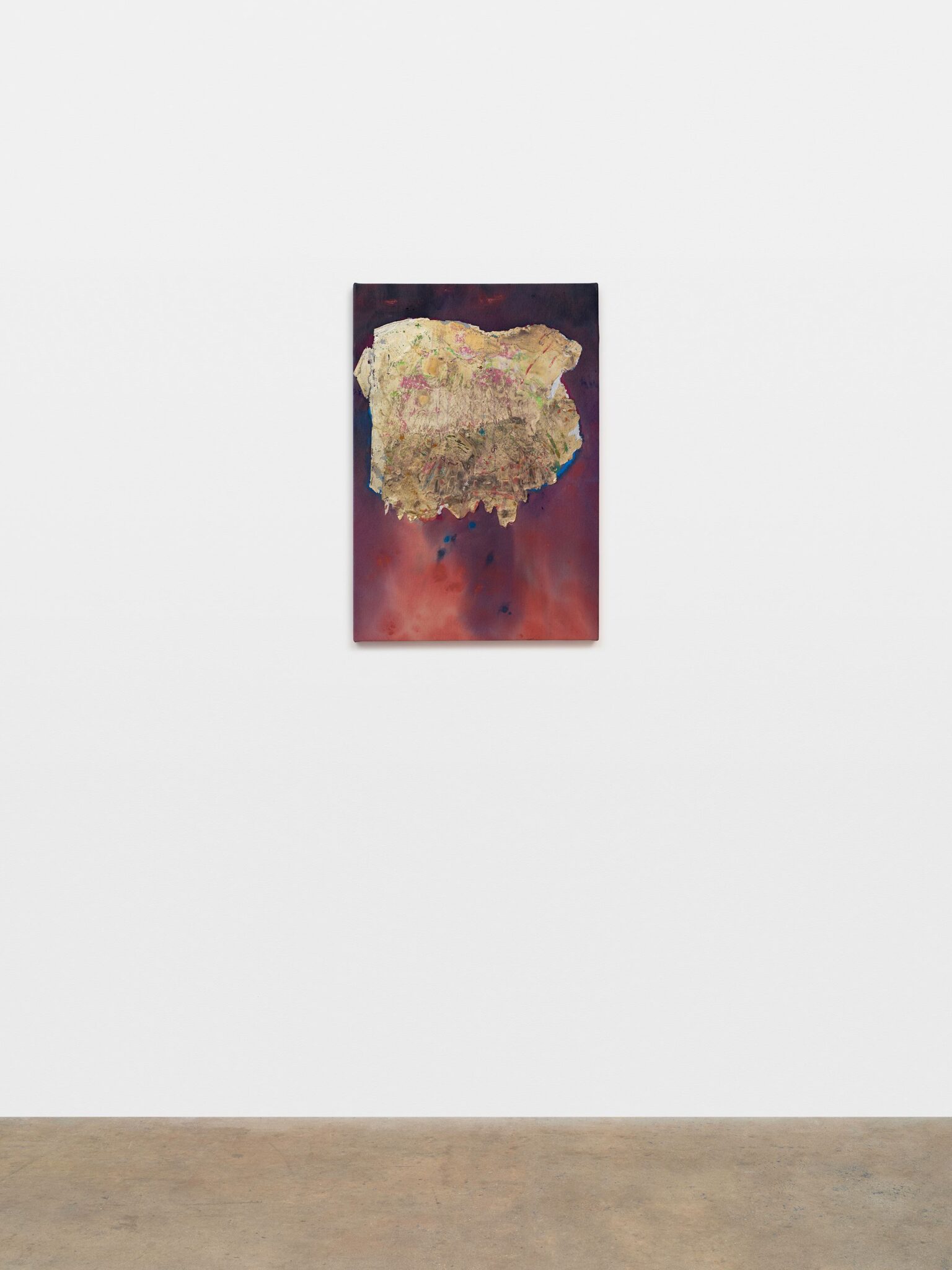
“We Are Gods 2,” 2026
Silver nitrate, acrylic paint on canvas
32" x 22" x 1 ¹⁄₂" [HxWxD] (81.28 x 55.88 x 3.81 cm)
Inventory #ARC789
Signed, titled and dated on verso
Courtesy of the artist and Vielmetter Los Angeles
Photo credit: Brica Wilcox
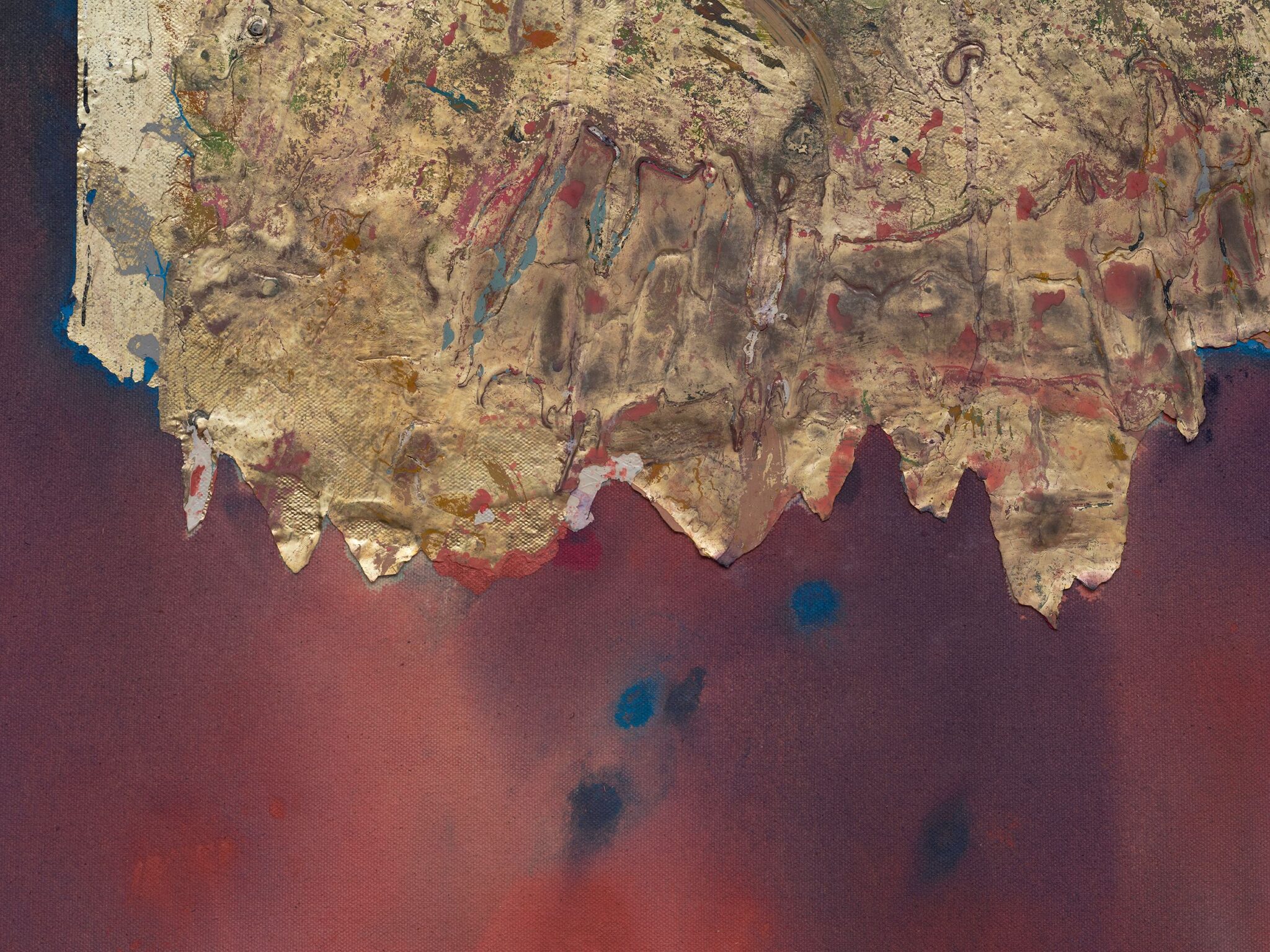
“We Are Gods 2,” 2026
Silver nitrate, acrylic paint on canvas
32" x 22" x 1 ¹⁄₂" [HxWxD] (81.28 x 55.88 x 3.81 cm)
Inventory #ARC789
Signed, titled and dated on verso
Courtesy of the artist and Vielmetter Los Angeles
Photo credit: Brica Wilcox
“Vessel,” 2026
Silver nitrate, acrylic paint on canvas
62 ³⁄₄" x 55" x 3 ³⁄₄" [HxWxD] (159.39 x 139.7 x 9.53 cm)
Inventory #ARC784
Signed, titled and dated on verso
Courtesy of the artist and Vielmetter Los Angeles
Photo credit: Brica Wilcox
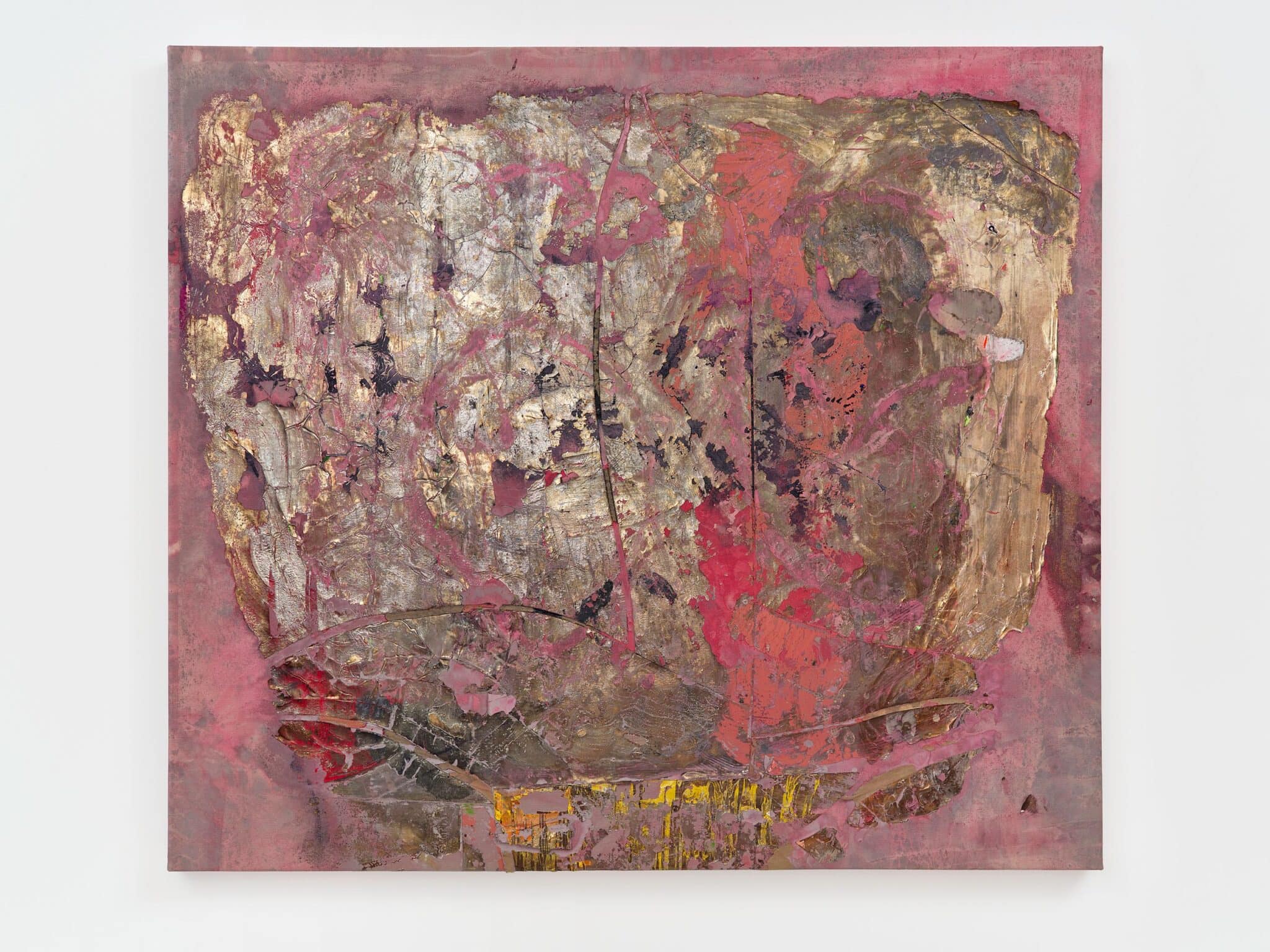
“Vessel,” 2026
Silver nitrate, acrylic paint on canvas
62 ³⁄₄" x 55" x 3 ³⁄₄" [HxWxD] (159.39 x 139.7 x 9.53 cm)
Inventory #ARC784
Signed, titled and dated on verso
Courtesy of the artist and Vielmetter Los Angeles
Photo credit: Brica Wilcox
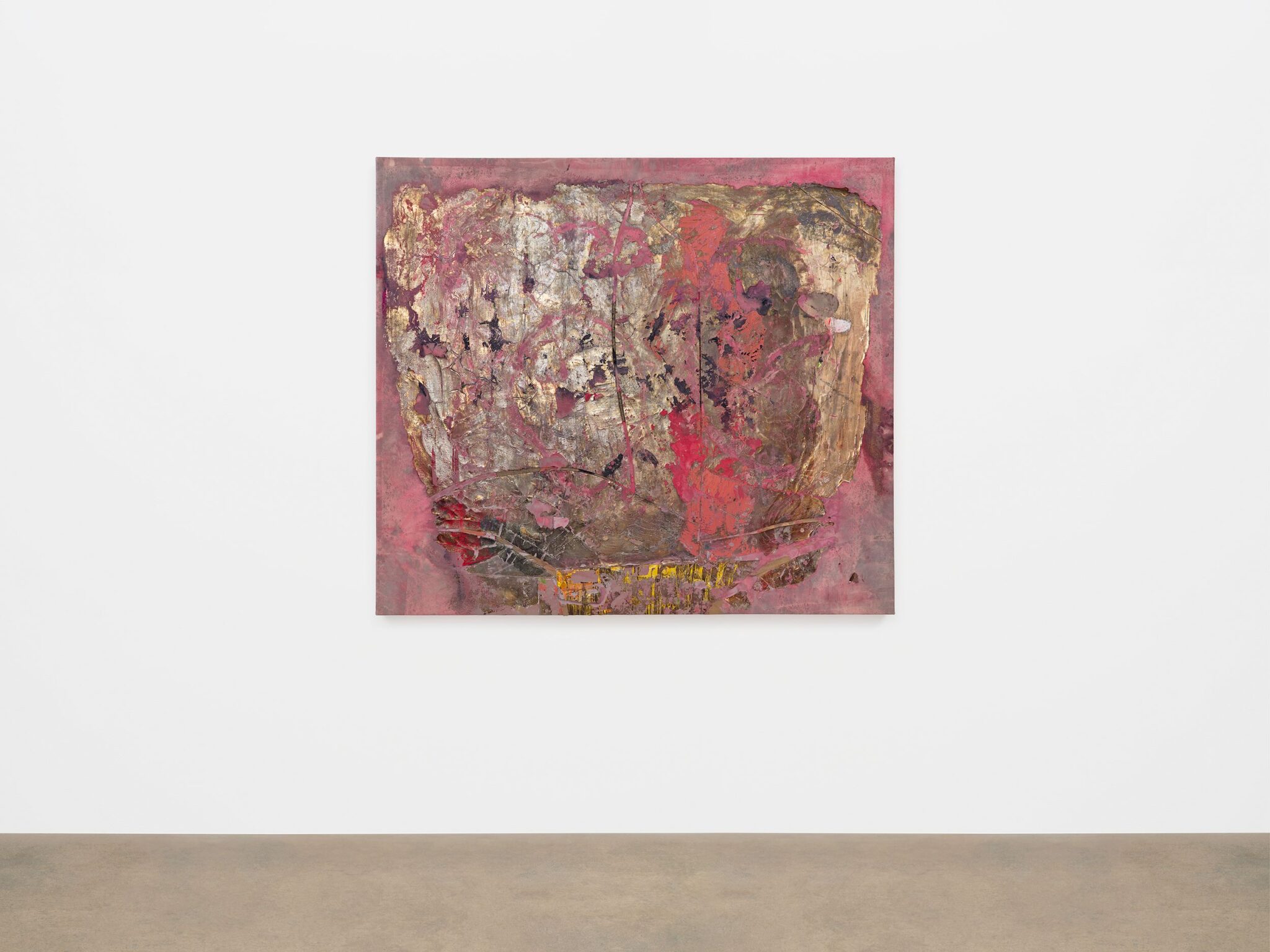
“Vessel,” 2026
Silver nitrate, acrylic paint on canvas
62 ³⁄₄" x 55" x 3 ³⁄₄" [HxWxD] (159.39 x 139.7 x 9.53 cm)
Inventory #ARC784
Signed, titled and dated on verso
Courtesy of the artist and Vielmetter Los Angeles
Photo credit: Brica Wilcox
“We Are Gods 3,” 2026
Silver nitrate, acrylic paint on canvas
32" x 22" x 1 ¹⁄₂" [HxWxD] (81.28 x 55.88 x 3.81 cm)
Inventory #ARC787
Signed, titled and dated on verso
Courtesy of the artist and Vielmetter Los Angeles
Photo credit: Brica Wilcox
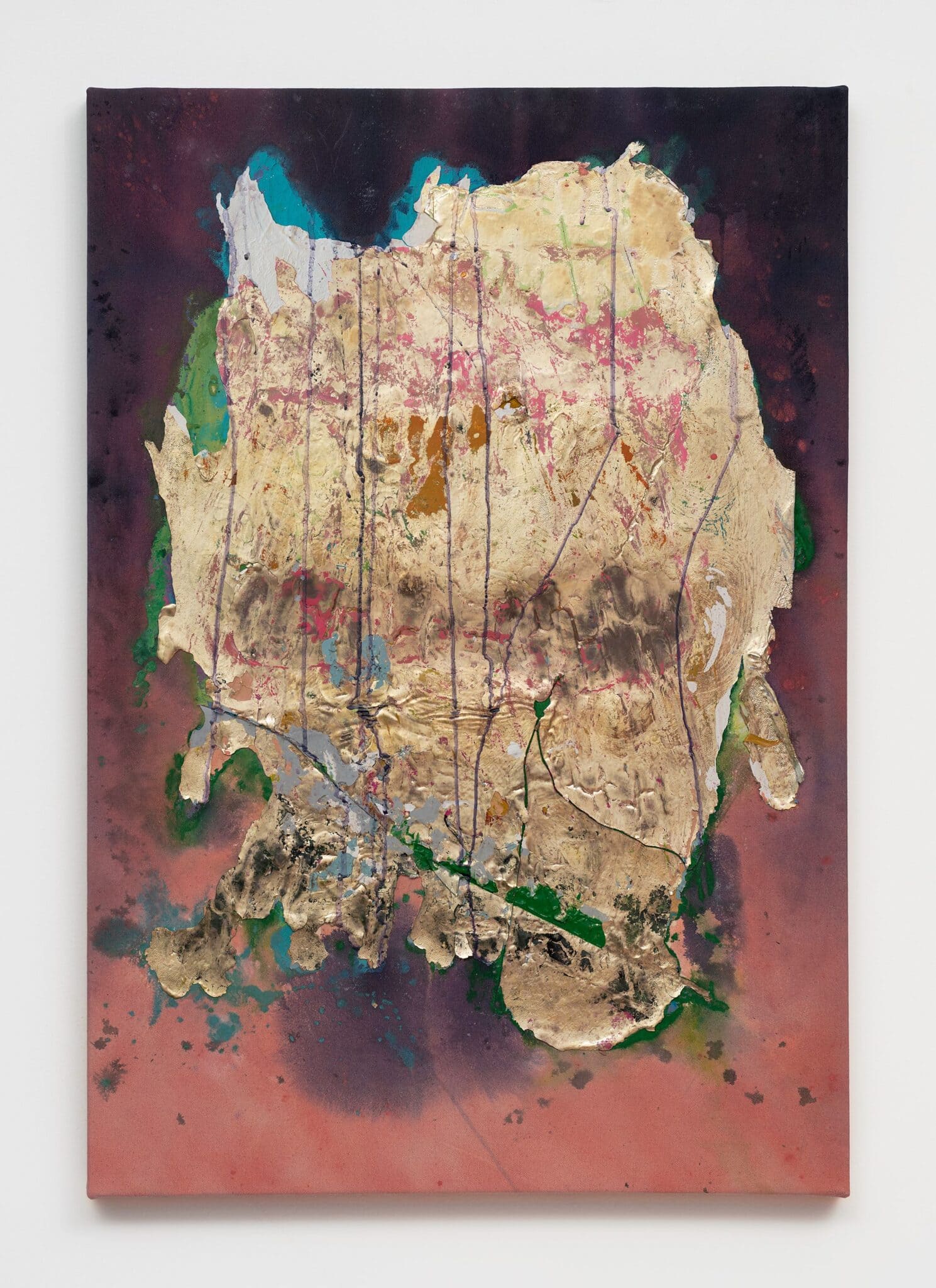
“We Are Gods 3,” 2026
Silver nitrate, acrylic paint on canvas
32" x 22" x 1 ¹⁄₂" [HxWxD] (81.28 x 55.88 x 3.81 cm)
Inventory #ARC787
Signed, titled and dated on verso
Courtesy of the artist and Vielmetter Los Angeles
Photo credit: Brica Wilcox
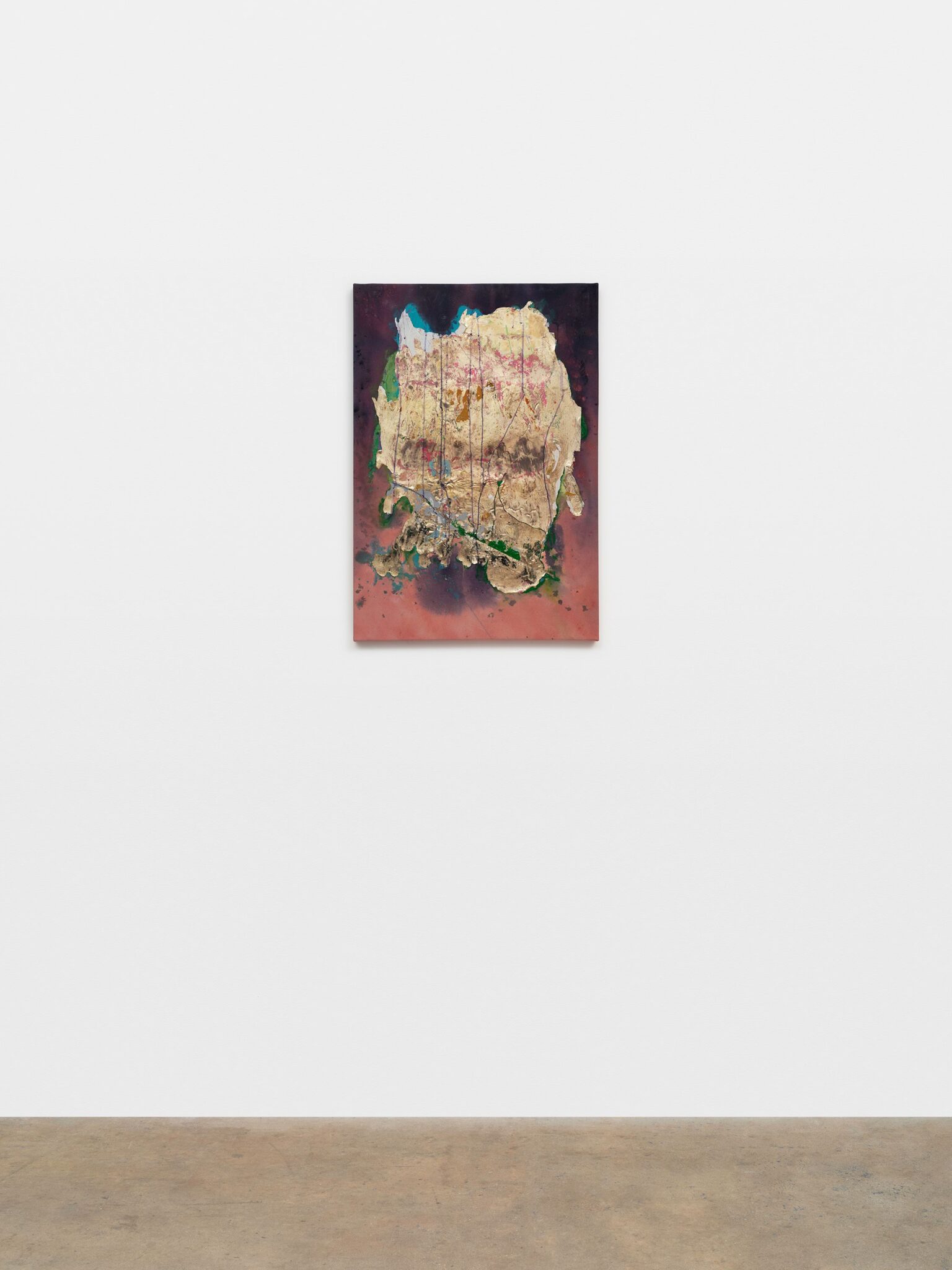
“We Are Gods 3,” 2026
Silver nitrate, acrylic paint on canvas
32" x 22" x 1 ¹⁄₂" [HxWxD] (81.28 x 55.88 x 3.81 cm)
Inventory #ARC787
Signed, titled and dated on verso
Courtesy of the artist and Vielmetter Los Angeles
Photo credit: Brica Wilcox
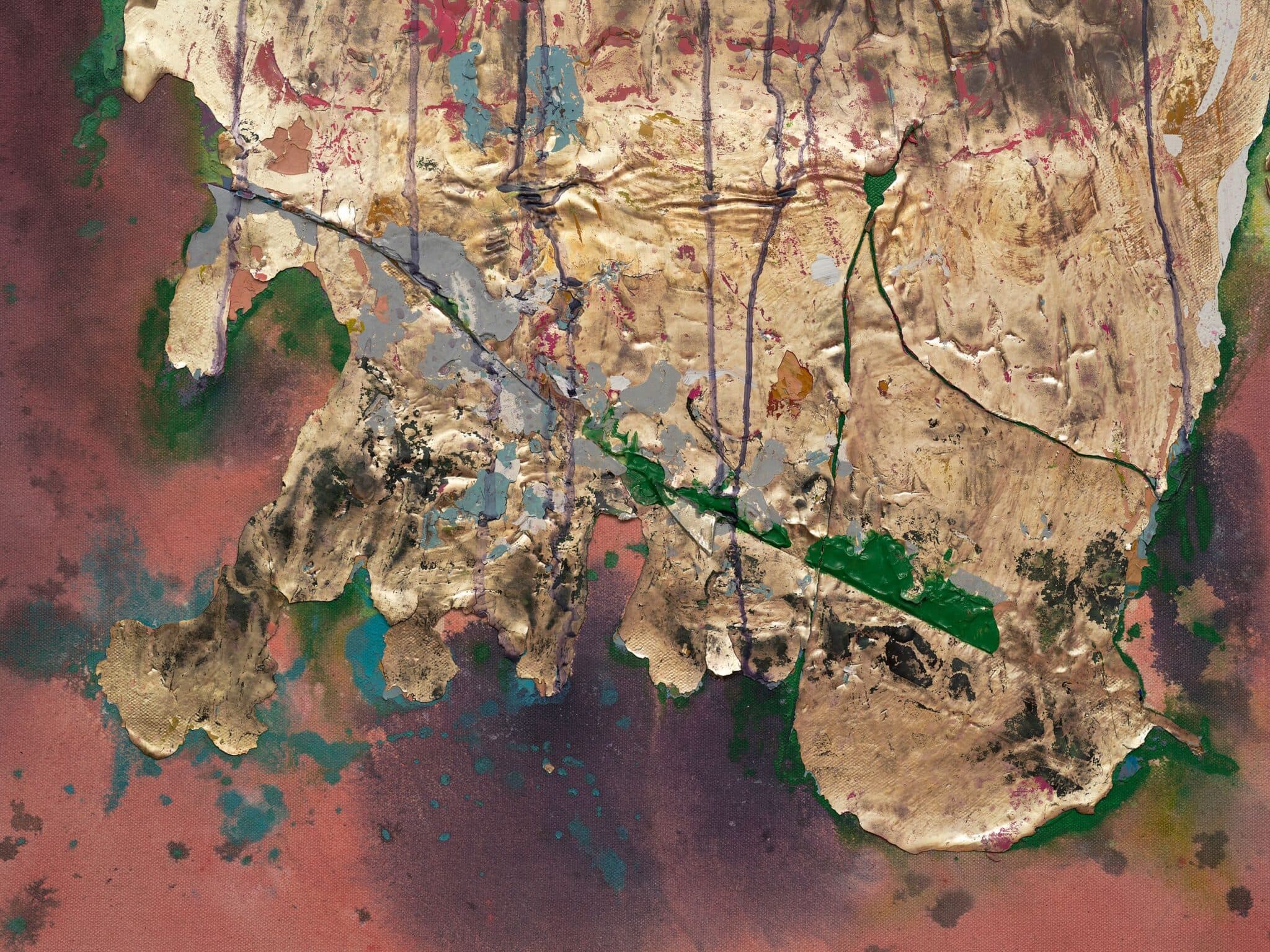
“We Are Gods 3,” 2026
Silver nitrate, acrylic paint on canvas
32" x 22" x 1 ¹⁄₂" [HxWxD] (81.28 x 55.88 x 3.81 cm)
Inventory #ARC787
Signed, titled and dated on verso
Courtesy of the artist and Vielmetter Los Angeles
Photo credit: Brica Wilcox
“We Are Gods 1,” 2026
Silver nitrate, acrylic paint on canvas
32" x 22" x 1 ¹⁄₂" [HxWxD] (81.28 x 55.88 x 3.81 cm)
Inventory #ARC790
Signed, titled and dated on verso
Courtesy of the artist and Vielmetter Los Angeles
Photo credit: Brica Wilcox
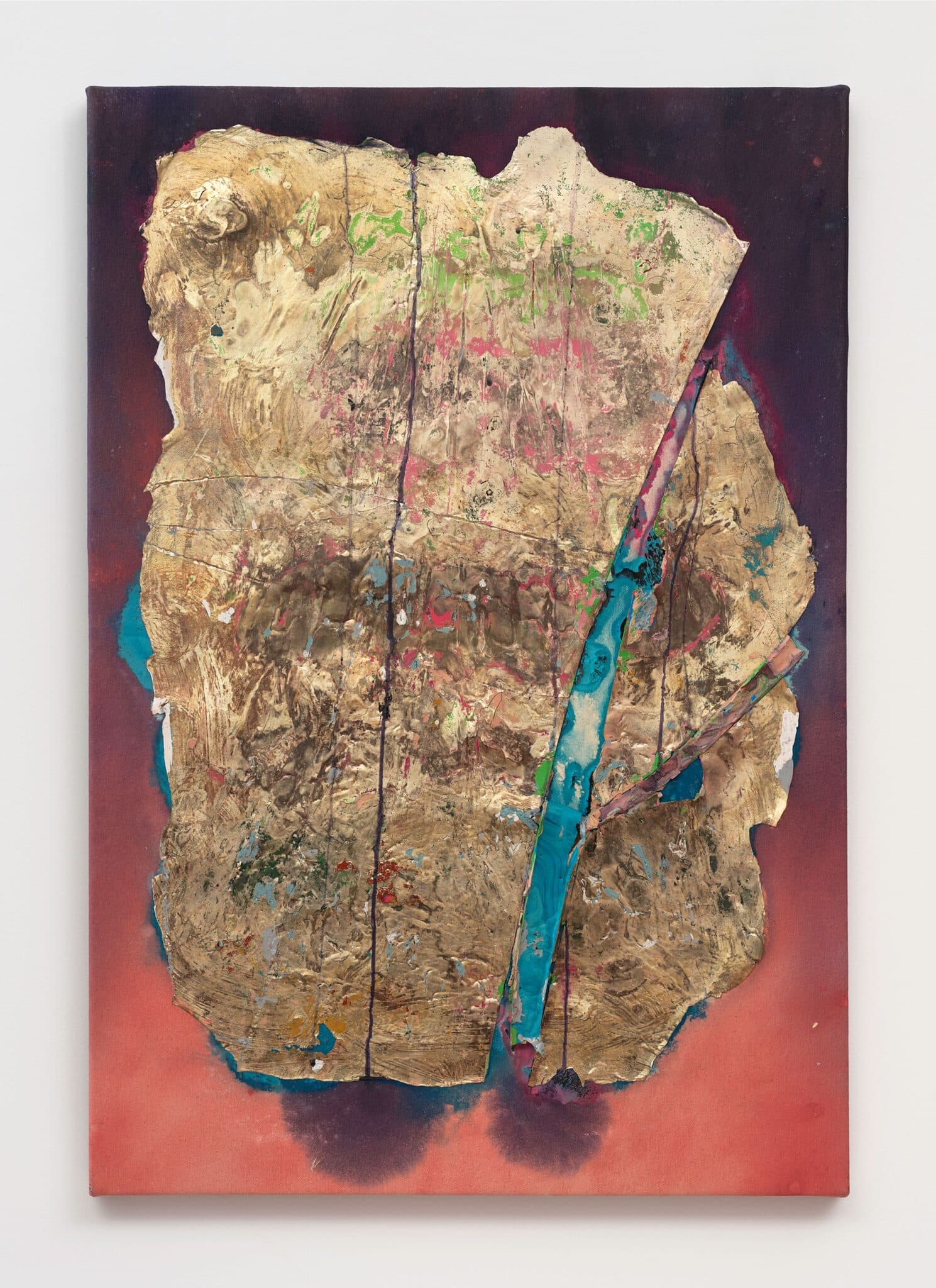
“We Are Gods 1,” 2026
Silver nitrate, acrylic paint on canvas
32" x 22" x 1 ¹⁄₂" [HxWxD] (81.28 x 55.88 x 3.81 cm)
Inventory #ARC790
Signed, titled and dated on verso
Courtesy of the artist and Vielmetter Los Angeles
Photo credit: Brica Wilcox
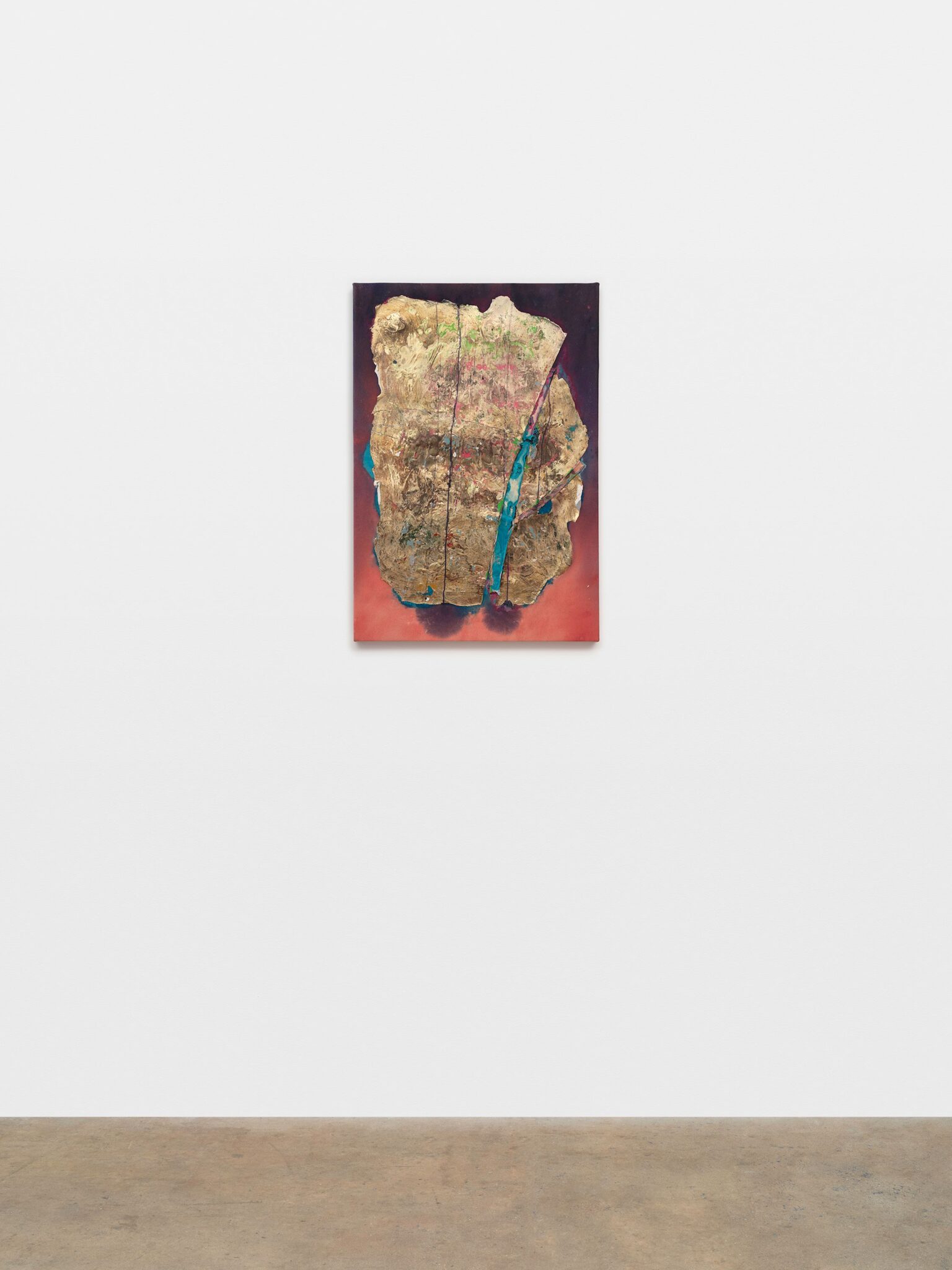
“We Are Gods 1,” 2026
Silver nitrate, acrylic paint on canvas
32" x 22" x 1 ¹⁄₂" [HxWxD] (81.28 x 55.88 x 3.81 cm)
Inventory #ARC790
Signed, titled and dated on verso
Courtesy of the artist and Vielmetter Los Angeles
Photo credit: Brica Wilcox
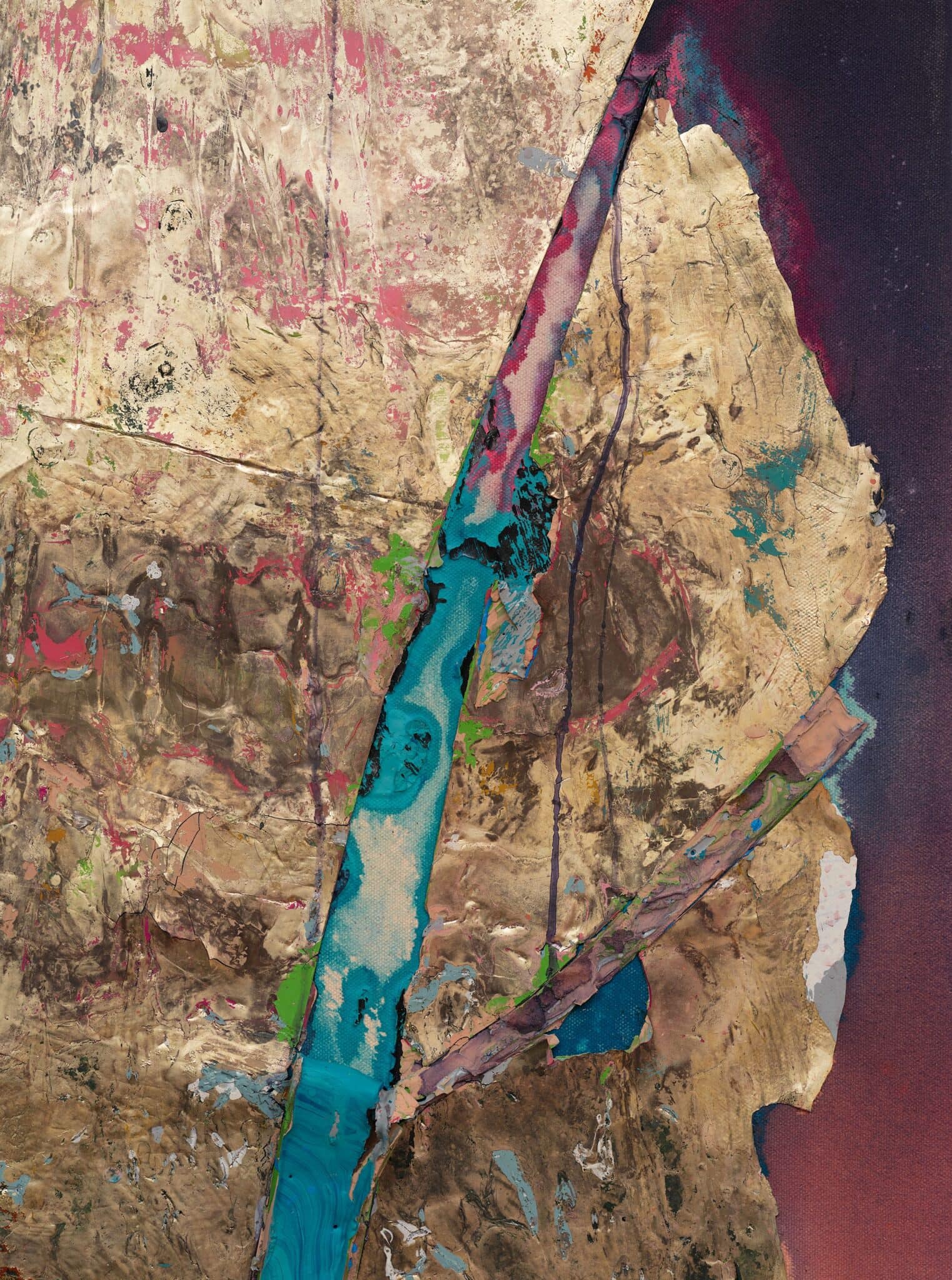
“We Are Gods 1,” 2026
Silver nitrate, acrylic paint on canvas
32" x 22" x 1 ¹⁄₂" [HxWxD] (81.28 x 55.88 x 3.81 cm)
Inventory #ARC790
Signed, titled and dated on verso
Courtesy of the artist and Vielmetter Los Angeles
Photo credit: Brica Wilcox
“Time,” 2026
Silver nitrate, acrylic paint on canvas
72" x 92" x 3 ³⁄₄" [HxWxD] (182.88 x 233.68 x 9.53 cm)
Inventory #ARC785
Signed and dated on verso
Courtesy of the artist and Vielmetter Los Angeles
Photo credit: Brica Wilcox
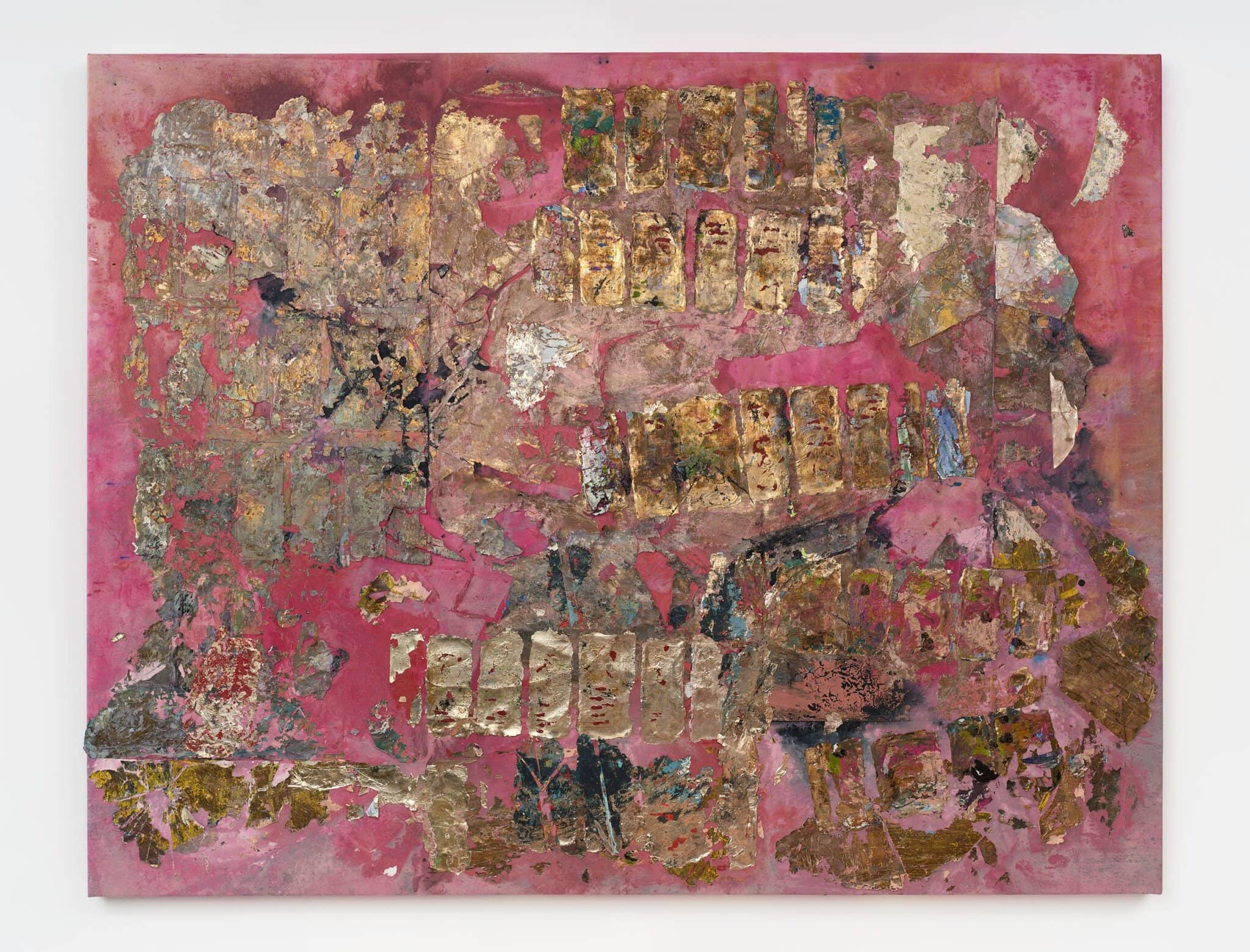
“Time,” 2026
Silver nitrate, acrylic paint on canvas
72" x 92" x 3 ³⁄₄" [HxWxD] (182.88 x 233.68 x 9.53 cm)
Inventory #ARC785
Signed and dated on verso
Courtesy of the artist and Vielmetter Los Angeles
Photo credit: Brica Wilcox
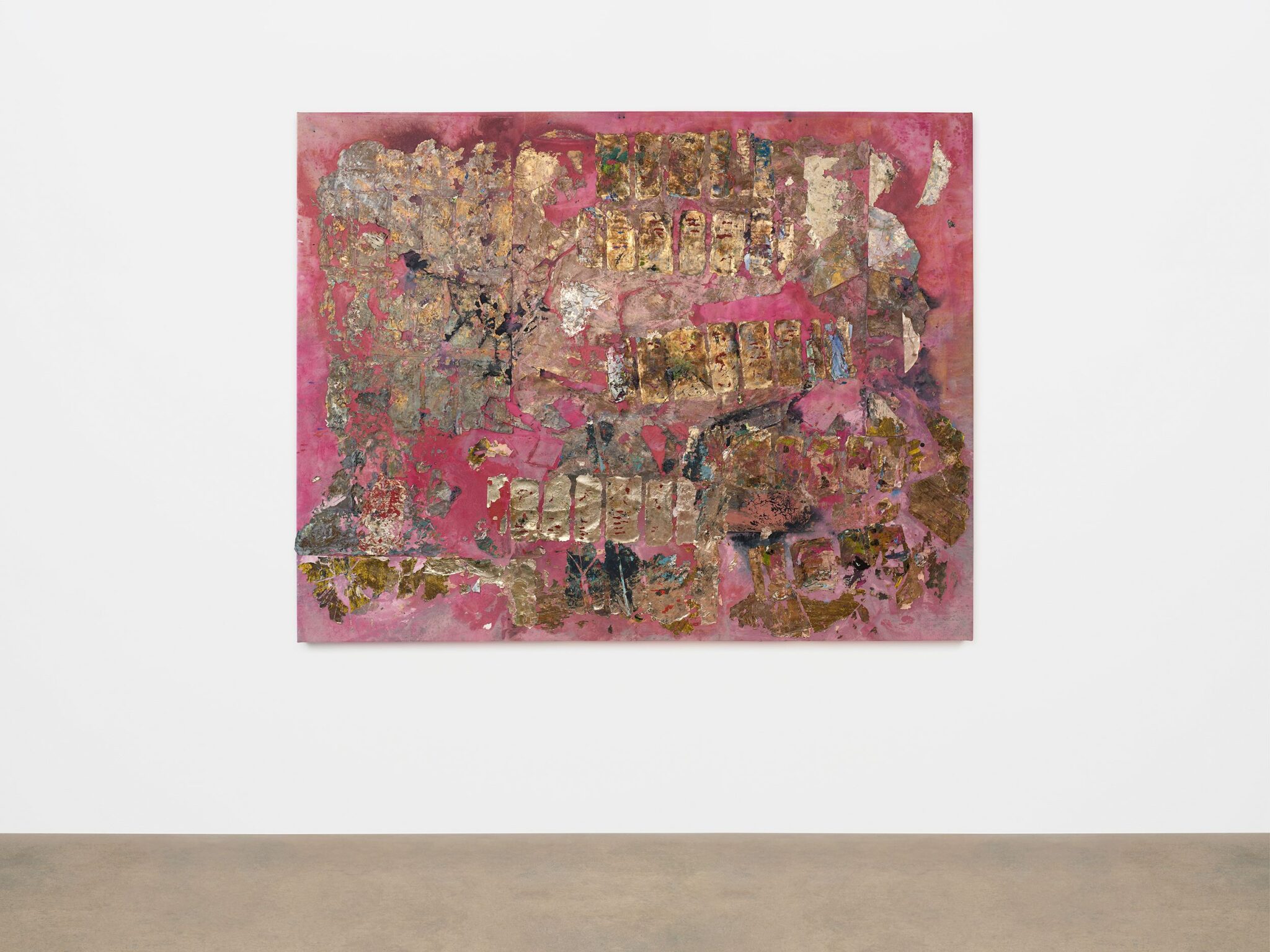
“Time,” 2026
Silver nitrate, acrylic paint on canvas
72" x 92" x 3 ³⁄₄" [HxWxD] (182.88 x 233.68 x 9.53 cm)
Inventory #ARC785
Signed and dated on verso
Courtesy of the artist and Vielmetter Los Angeles
Photo credit: Brica Wilcox
“We Are Gods 4,” 2026
Silver nitrate, acrylic paint on canvas
32" x 22" x 1 ¹⁄₂" [HxWxD] (81.28 x 55.88 x 3.81 cm)
Inventory #ARC788
Signed, titled and dated on verso
Courtesy of the artist and Vielmetter Los Angeles
Photo credit: Brica Wilcox
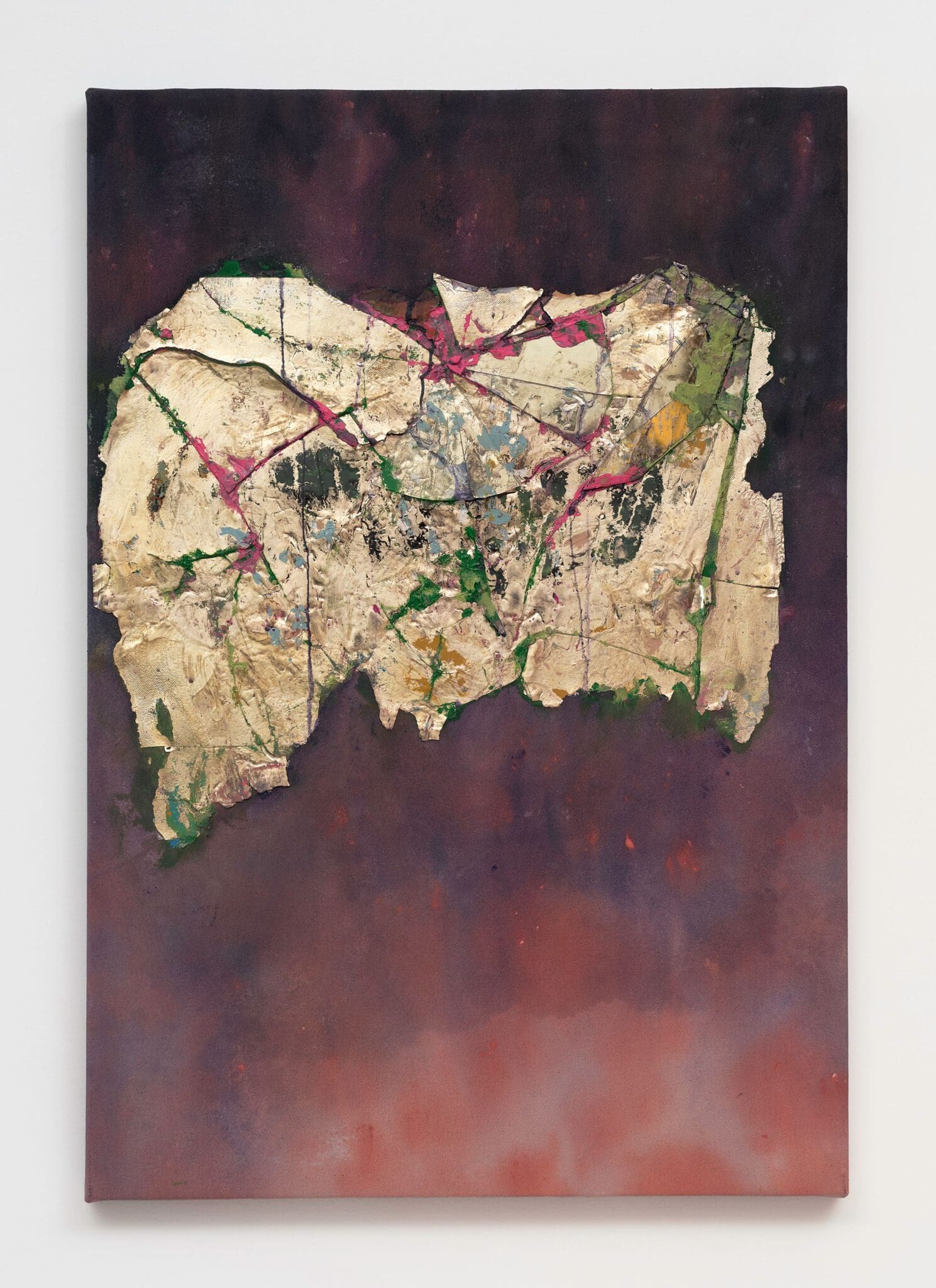
“We Are Gods 4,” 2026
Silver nitrate, acrylic paint on canvas
32" x 22" x 1 ¹⁄₂" [HxWxD] (81.28 x 55.88 x 3.81 cm)
Inventory #ARC788
Signed, titled and dated on verso
Courtesy of the artist and Vielmetter Los Angeles
Photo credit: Brica Wilcox
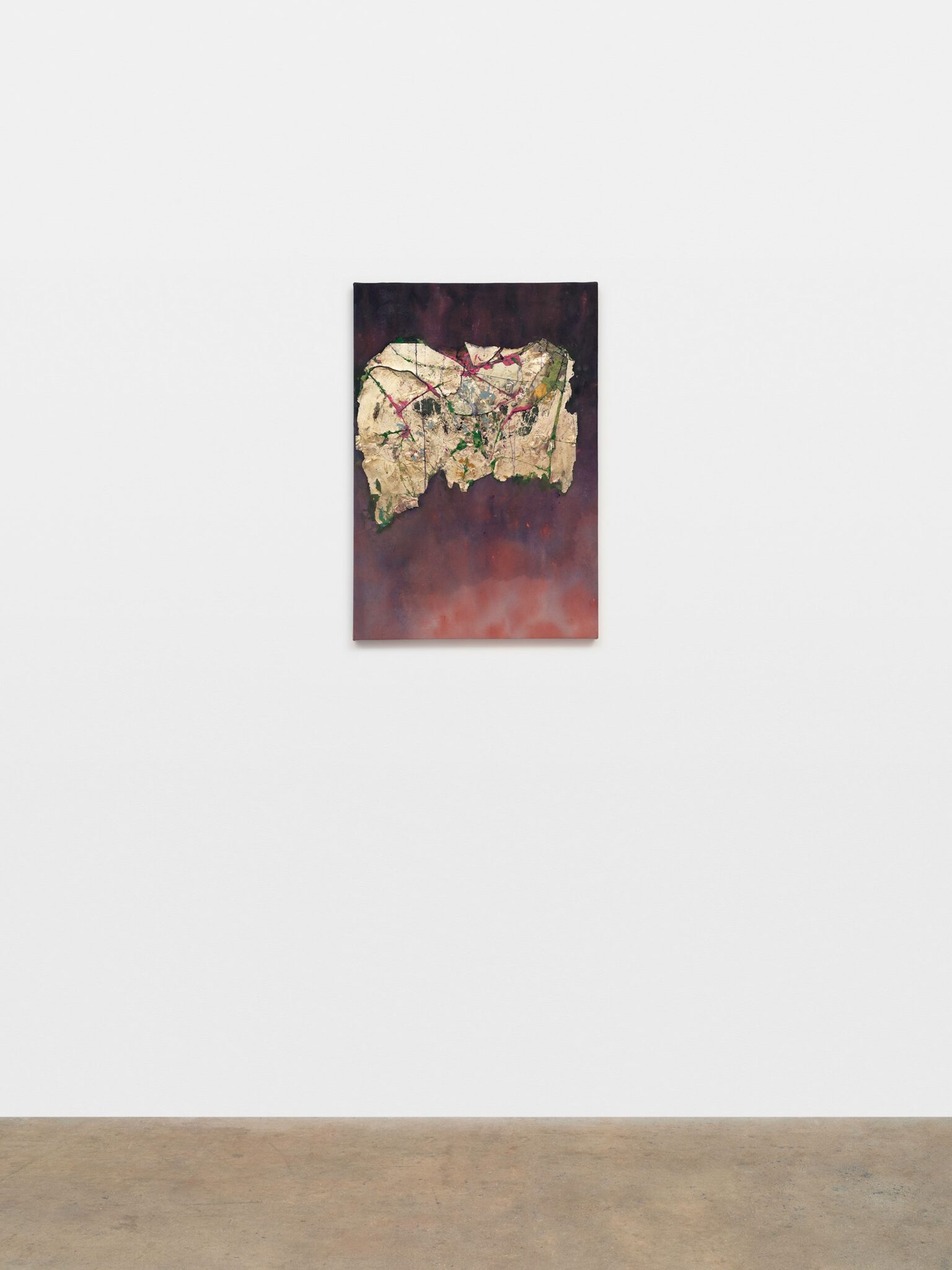
“We Are Gods 4,” 2026
Silver nitrate, acrylic paint on canvas
32" x 22" x 1 ¹⁄₂" [HxWxD] (81.28 x 55.88 x 3.81 cm)
Inventory #ARC788
Signed, titled and dated on verso
Courtesy of the artist and Vielmetter Los Angeles
Photo credit: Brica Wilcox
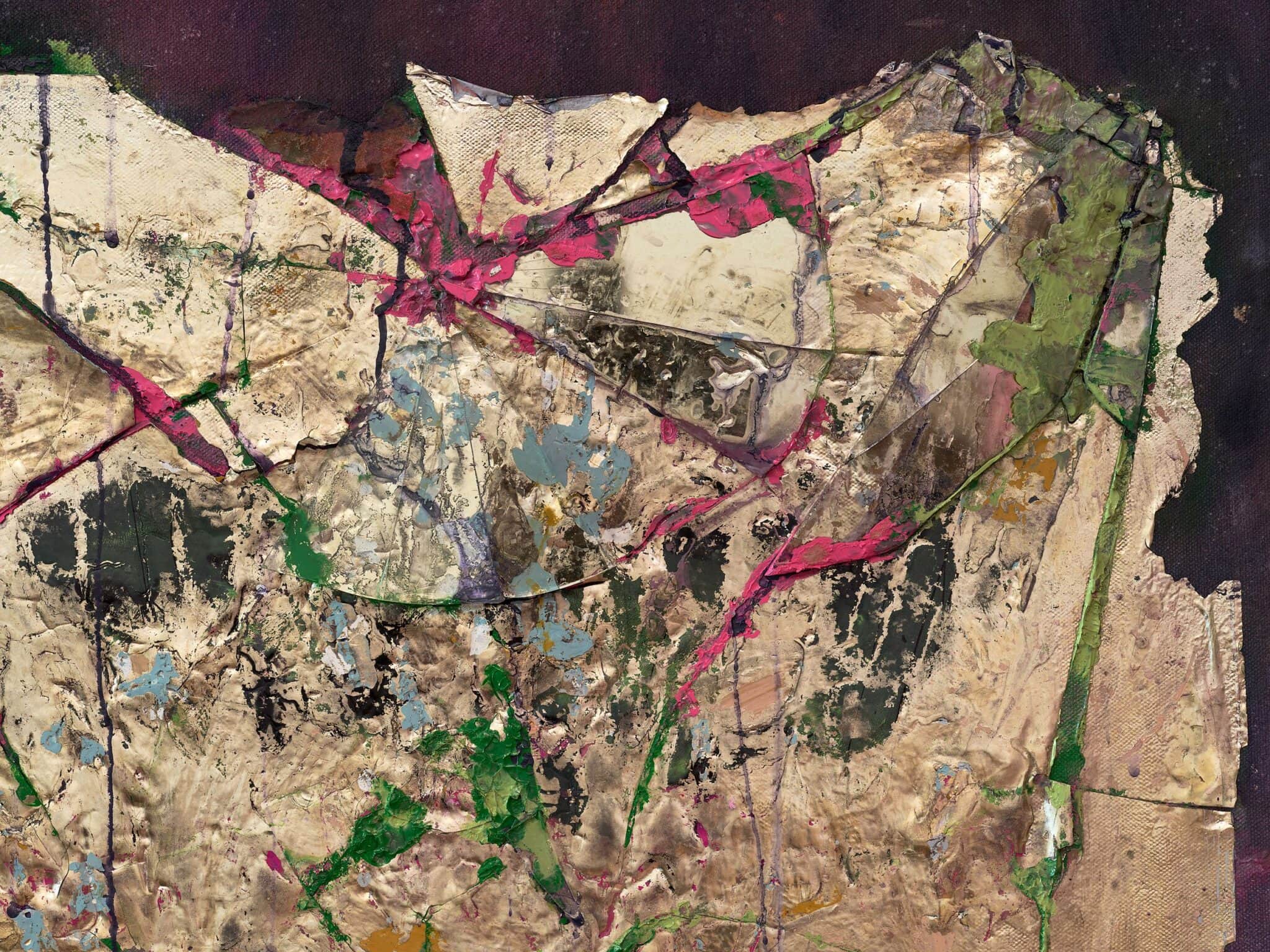
“We Are Gods 4,” 2026
Silver nitrate, acrylic paint on canvas
32" x 22" x 1 ¹⁄₂" [HxWxD] (81.28 x 55.88 x 3.81 cm)
Inventory #ARC788
Signed, titled and dated on verso
Courtesy of the artist and Vielmetter Los Angeles
Photo credit: Brica Wilcox
“Mom and Dad,” 2026
Silver nitrate, acrylic paint on canvas
80" x 10' x 3 ³⁄₄" [HxWxD] (203.2 x 304.8 x 9.53 cm)
Inventory #ARC782
Signed and dated on verso
Courtesy of the artist and Vielmetter Los Angeles
Photo credit: Brica Wilcox
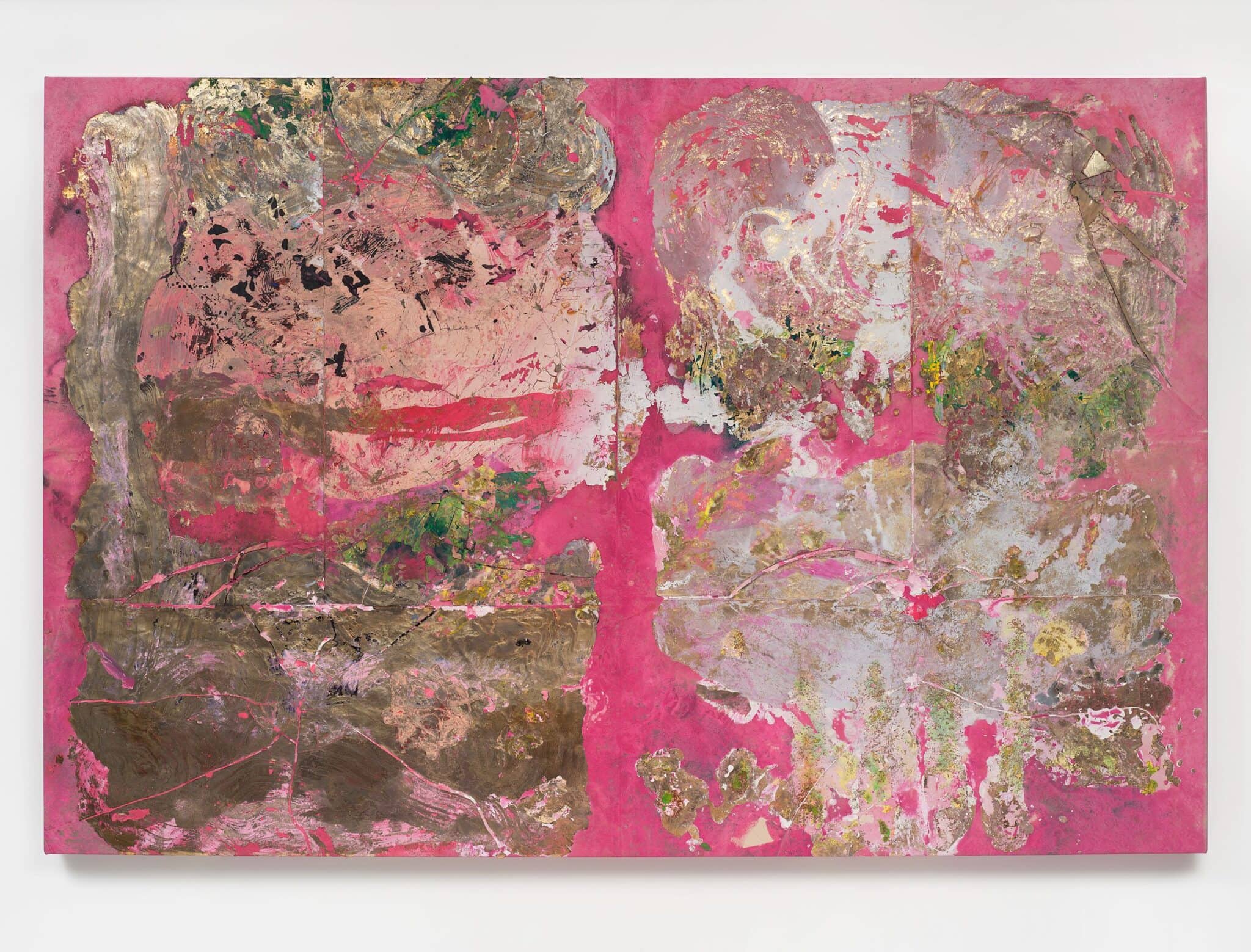
“Mom and Dad,” 2026
Silver nitrate, acrylic paint on canvas
80" x 10' x 3 ³⁄₄" [HxWxD] (203.2 x 304.8 x 9.53 cm)
Inventory #ARC782
Signed and dated on verso
Courtesy of the artist and Vielmetter Los Angeles
Photo credit: Brica Wilcox
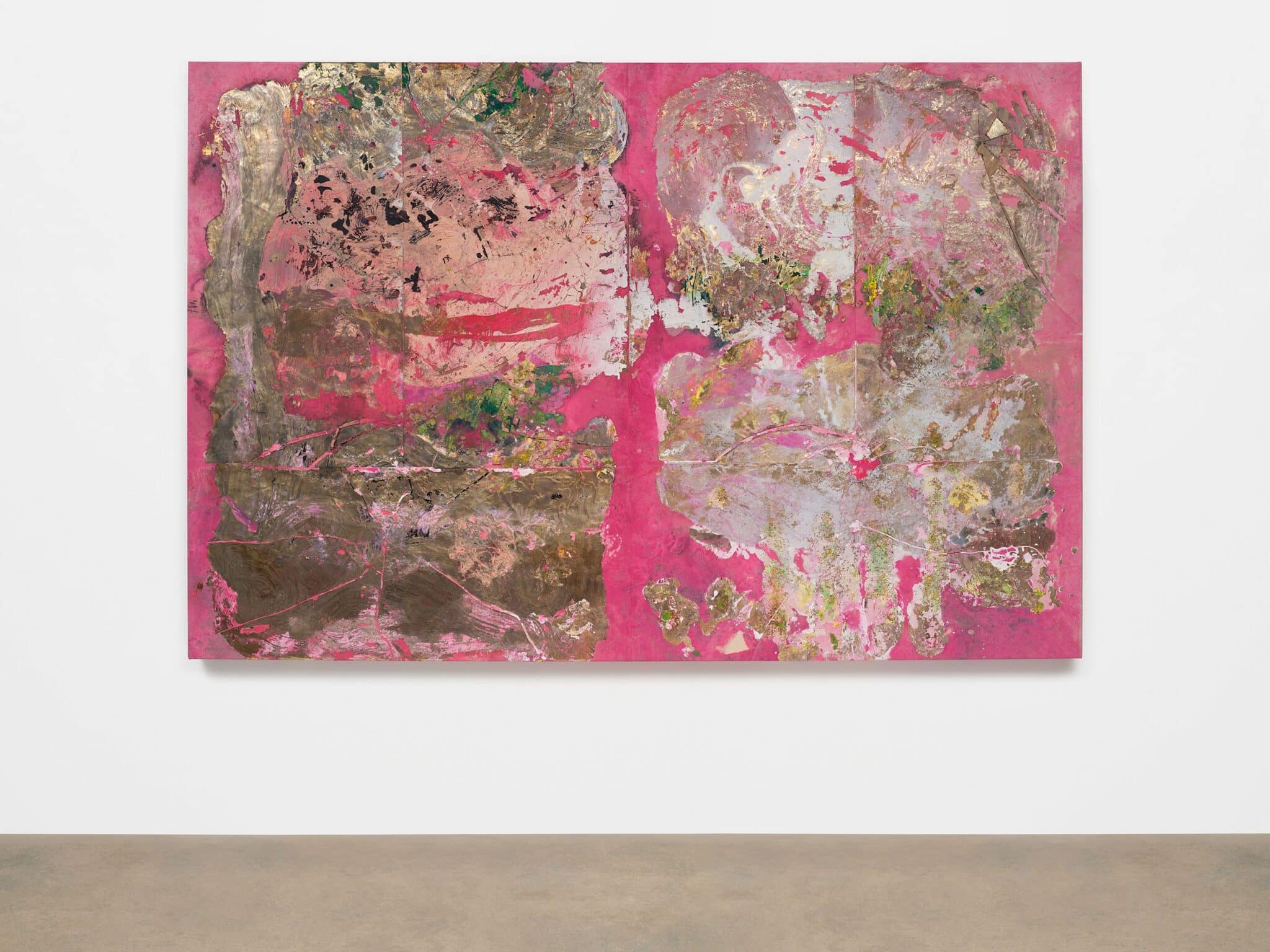
“Mom and Dad,” 2026
Silver nitrate, acrylic paint on canvas
80" x 10' x 3 ³⁄₄" [HxWxD] (203.2 x 304.8 x 9.53 cm)
Inventory #ARC782
Signed and dated on verso
Courtesy of the artist and Vielmetter Los Angeles
Photo credit: Brica Wilcox
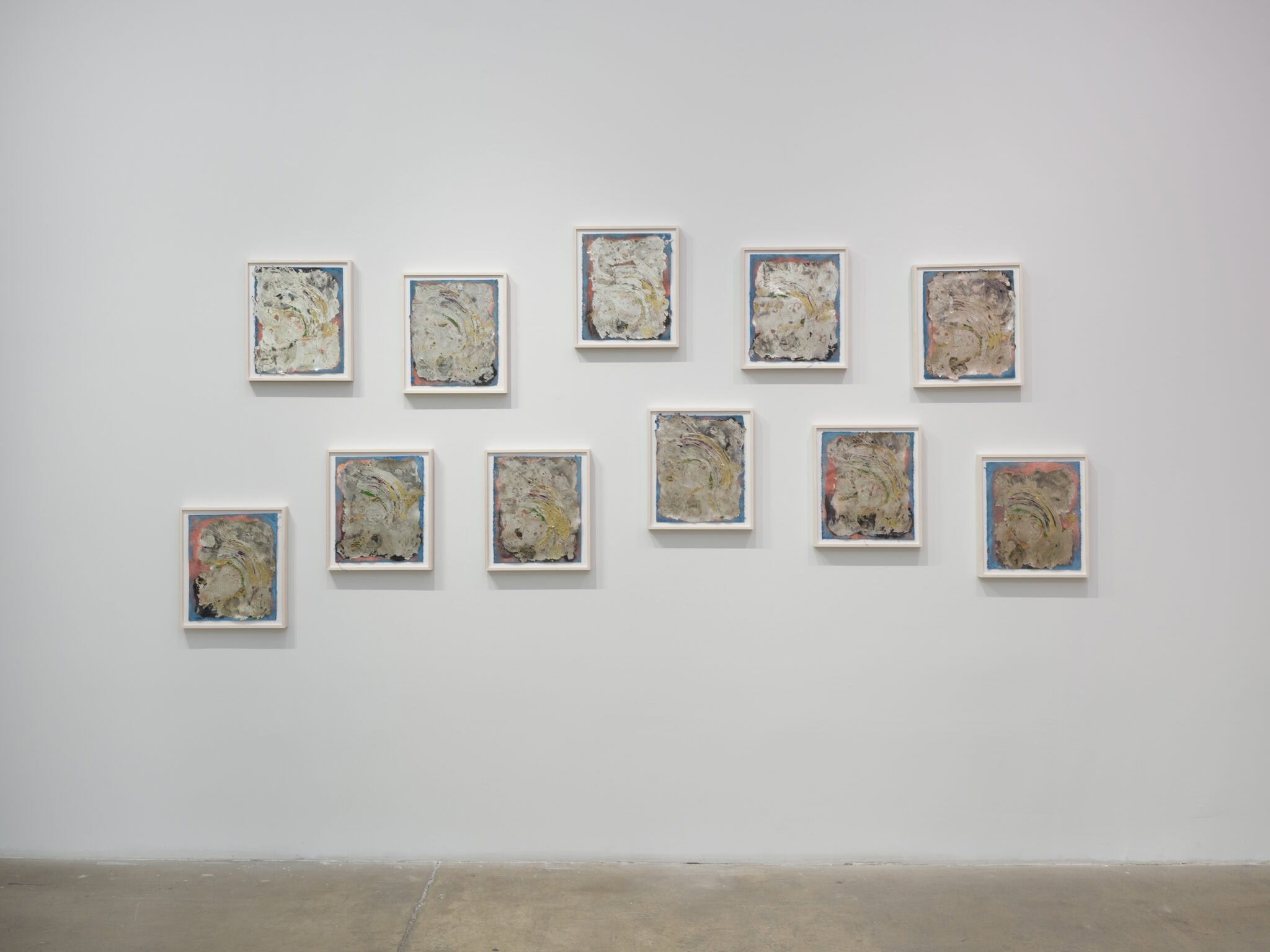
“Becoming Rainbows 8,” 2026
Silver nitrate, acrylic paint on canvas
14" x 12" [HxW] (35.56 x 30.48 cm)
15 ¹³⁄₁₆" x 13 ³⁄₄" x 1 ¹⁄₄" [HxWxD] (40.16 x 34.92 x 3.17 cm) framed
Inventory #ARC802
Courtesy of the artist and Vielmetter Los Angeles
Photo credit: Jeff McLane
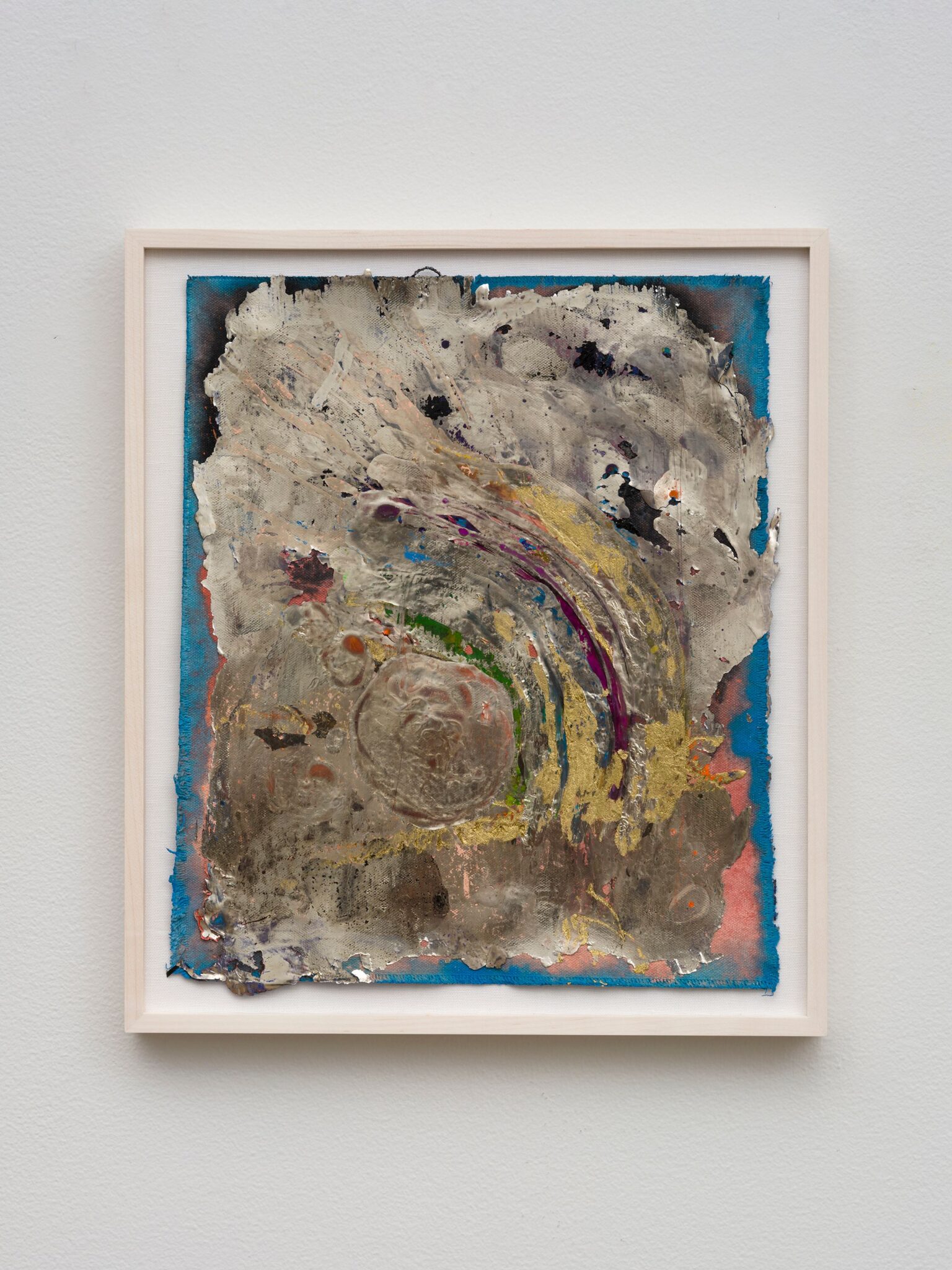
“Becoming Rainbows 8,” 2026
Silver nitrate, acrylic paint on canvas
14" x 12" [HxW] (35.56 x 30.48 cm)
15 ¹³⁄₁₆" x 13 ³⁄₄" x 1 ¹⁄₄" [HxWxD] (40.16 x 34.92 x 3.17 cm) framed
Inventory #ARC802
Courtesy of the artist and Vielmetter Los Angeles
Photo credit: Jeff McLane
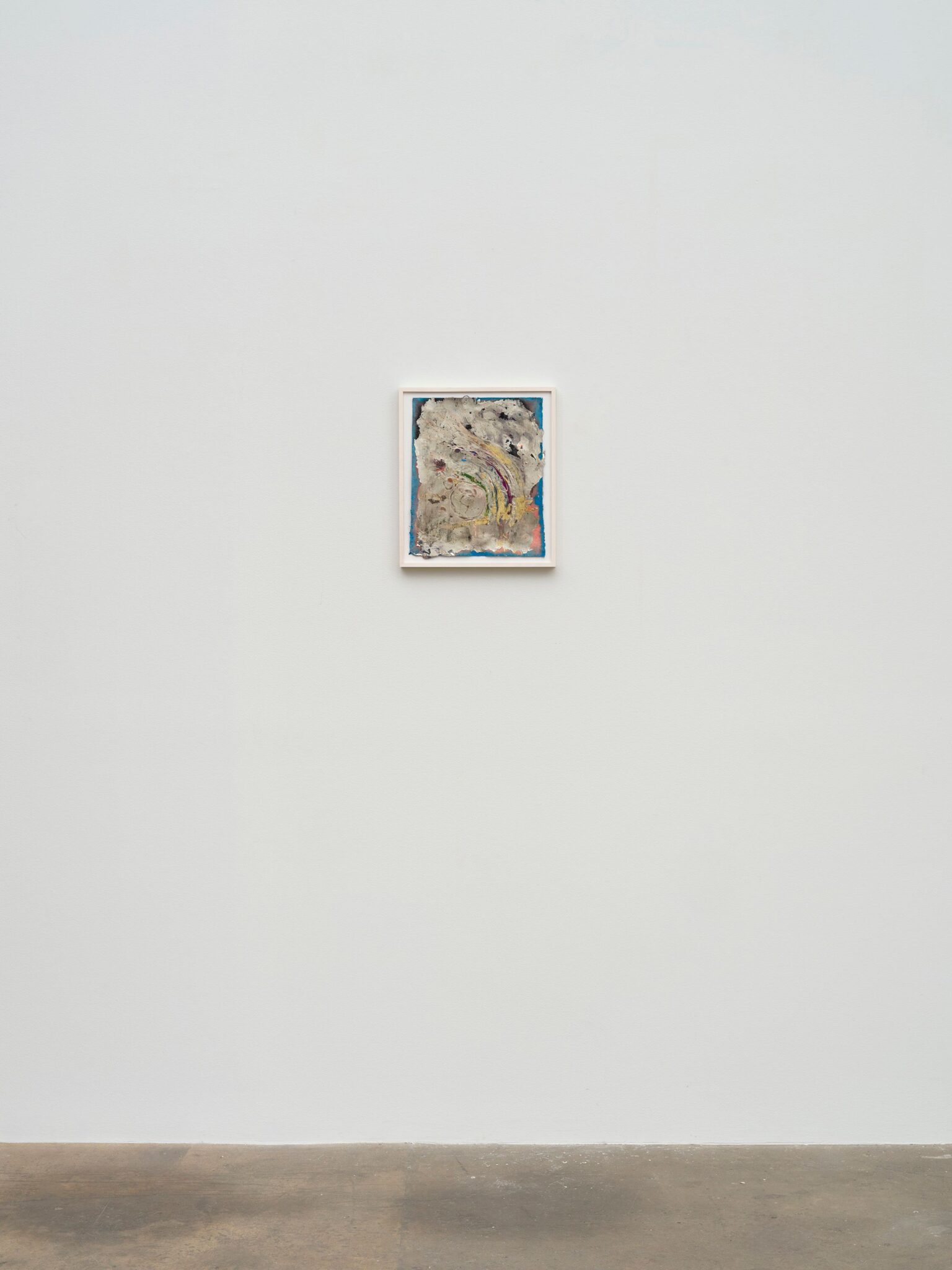
“Becoming Rainbows 8,” 2026
Silver nitrate, acrylic paint on canvas
14" x 12" [HxW] (35.56 x 30.48 cm)
15 ¹³⁄₁₆" x 13 ³⁄₄" x 1 ¹⁄₄" [HxWxD] (40.16 x 34.92 x 3.17 cm) framed
Inventory #ARC802
Courtesy of the artist and Vielmetter Los Angeles
Photo credit: Jeff McLane
“Becoming Rainbows 6,” 2026
Silver nitrate, acrylic paint on canvas
14" x 12" [HxW] (35.56 x 30.48 cm)
15 ¹³⁄₁₆" x 13 ³⁄₄" x 1 ¹⁄₄" [HxWxD] (40.16 x 34.92 x 3.17 cm) framed
Inventory #ARC800
Courtesy of the artist and Vielmetter Los Angeles
Photo credit: Jeff McLane
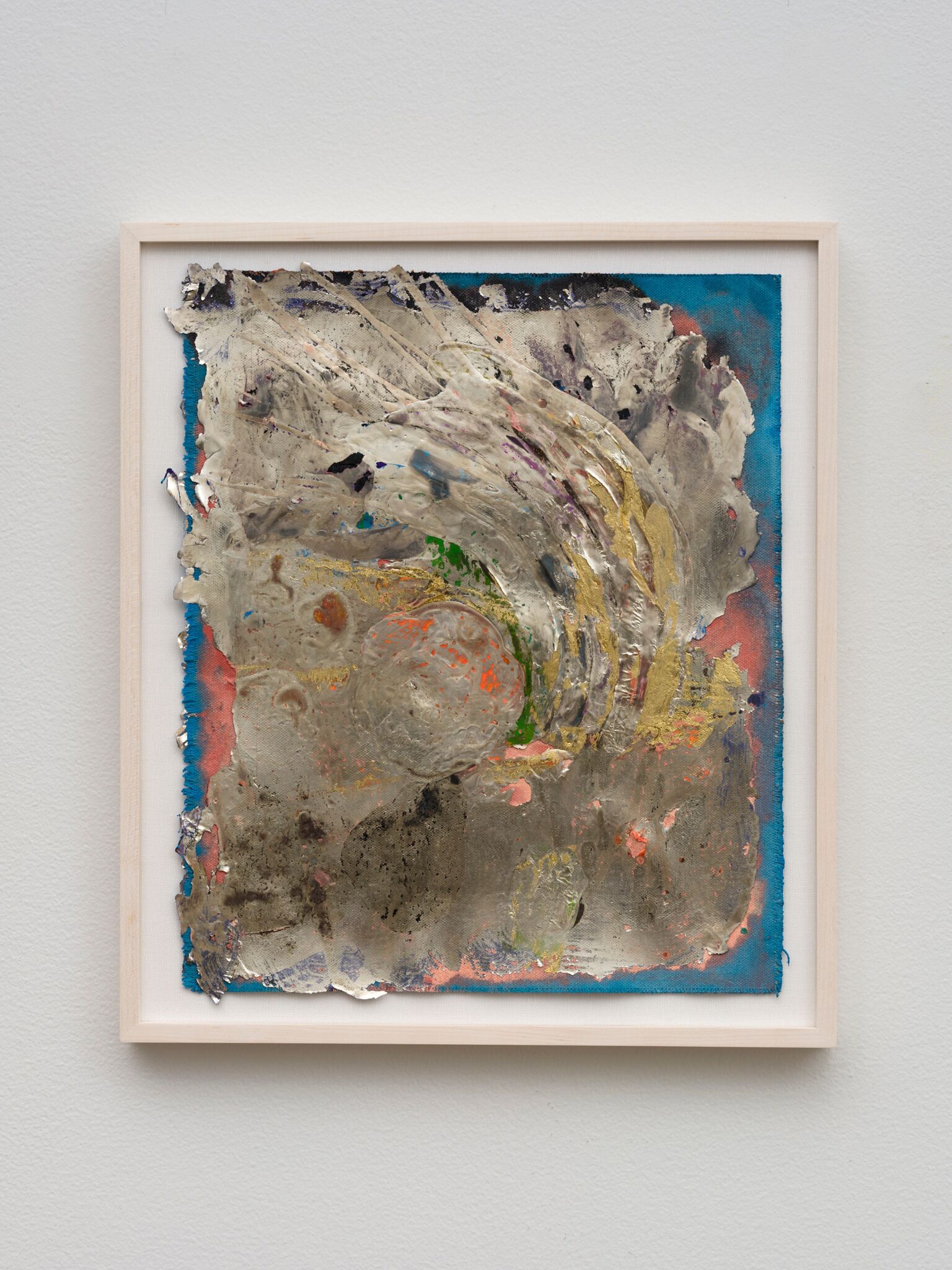
“Becoming Rainbows 6,” 2026
Silver nitrate, acrylic paint on canvas
14" x 12" [HxW] (35.56 x 30.48 cm)
15 ¹³⁄₁₆" x 13 ³⁄₄" x 1 ¹⁄₄" [HxWxD] (40.16 x 34.92 x 3.17 cm) framed
Inventory #ARC800
Courtesy of the artist and Vielmetter Los Angeles
Photo credit: Jeff McLane
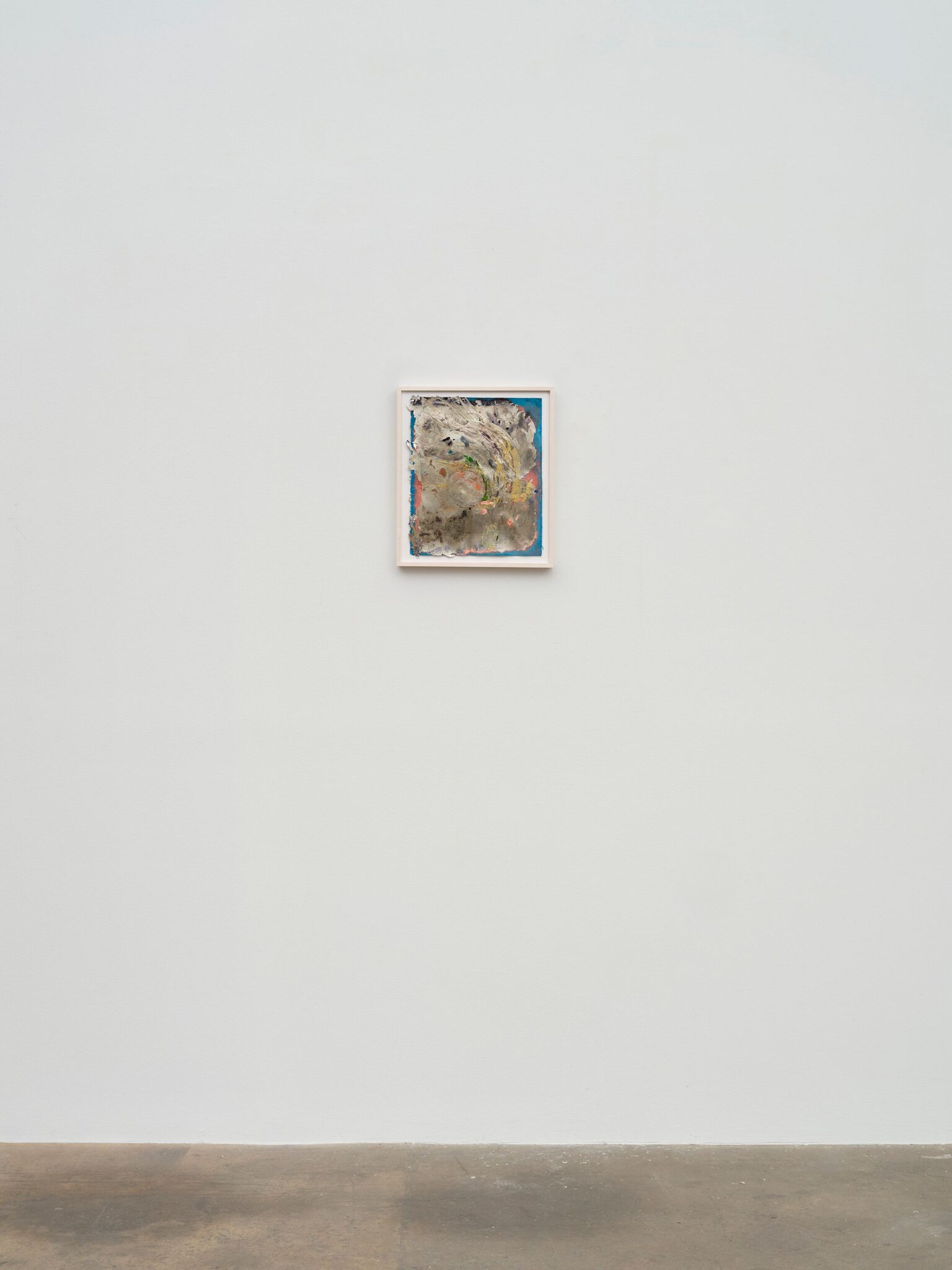
“Becoming Rainbows 6,” 2026
Silver nitrate, acrylic paint on canvas
14" x 12" [HxW] (35.56 x 30.48 cm)
15 ¹³⁄₁₆" x 13 ³⁄₄" x 1 ¹⁄₄" [HxWxD] (40.16 x 34.92 x 3.17 cm) framed
Inventory #ARC800
Courtesy of the artist and Vielmetter Los Angeles
Photo credit: Jeff McLane
“Becoming Rainbows 12,” 2026
Silver nitrate, acrylic paint on canvas
14" x 12" [HxW] (35.56 x 30.48 cm)
15 ¹³⁄₁₆" x 13 ³⁄₄" x 1 ¹⁄₄" [HxWxD] (40.16 x 34.92 x 3.17 cm) framed
Inventory #ARC798
Courtesy of the artist and Vielmetter Los Angeles
Photo credit: Jeff McLane
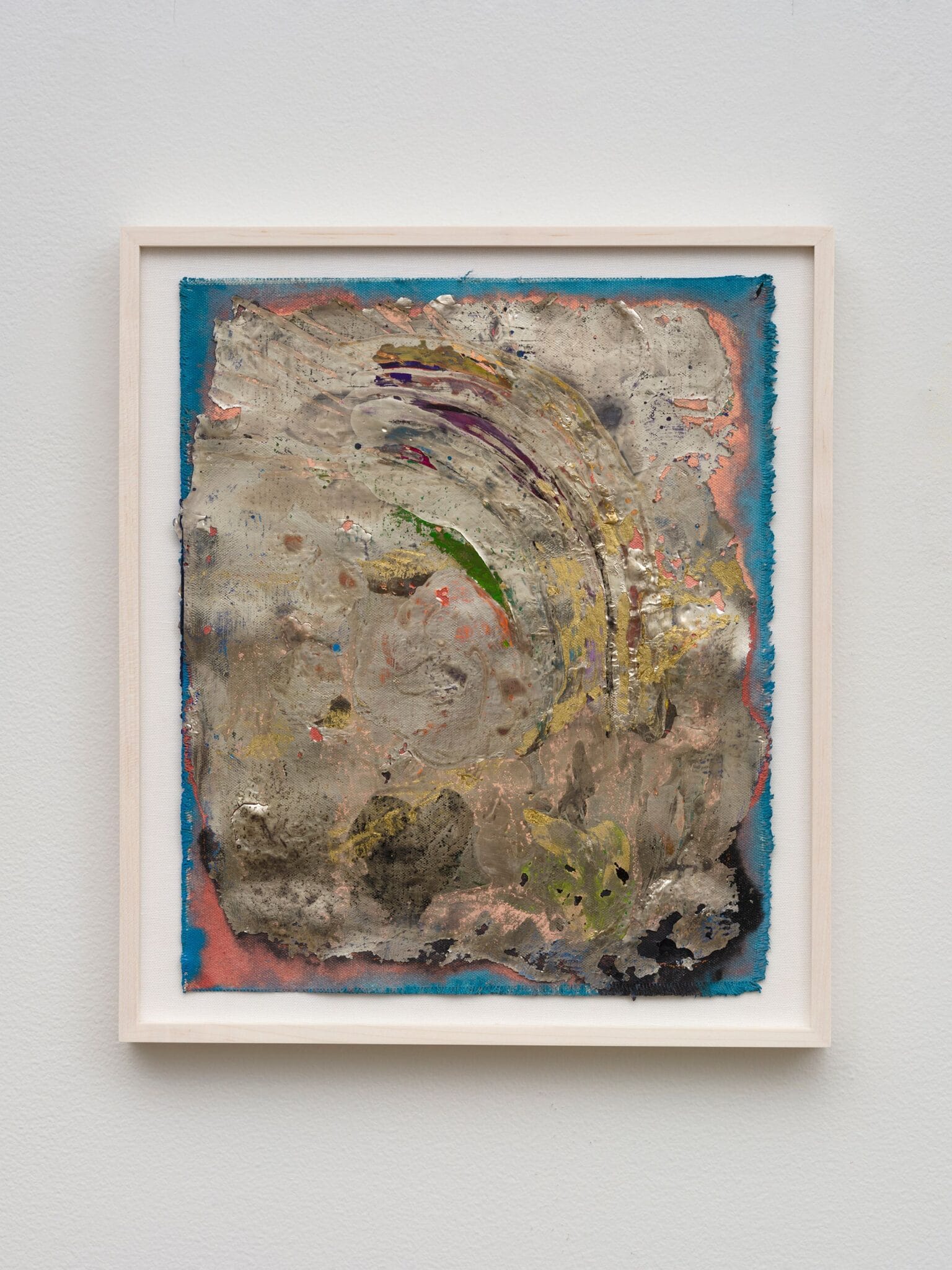
“Becoming Rainbows 12,” 2026
Silver nitrate, acrylic paint on canvas
14" x 12" [HxW] (35.56 x 30.48 cm)
15 ¹³⁄₁₆" x 13 ³⁄₄" x 1 ¹⁄₄" [HxWxD] (40.16 x 34.92 x 3.17 cm) framed
Inventory #ARC798
Courtesy of the artist and Vielmetter Los Angeles
Photo credit: Jeff McLane
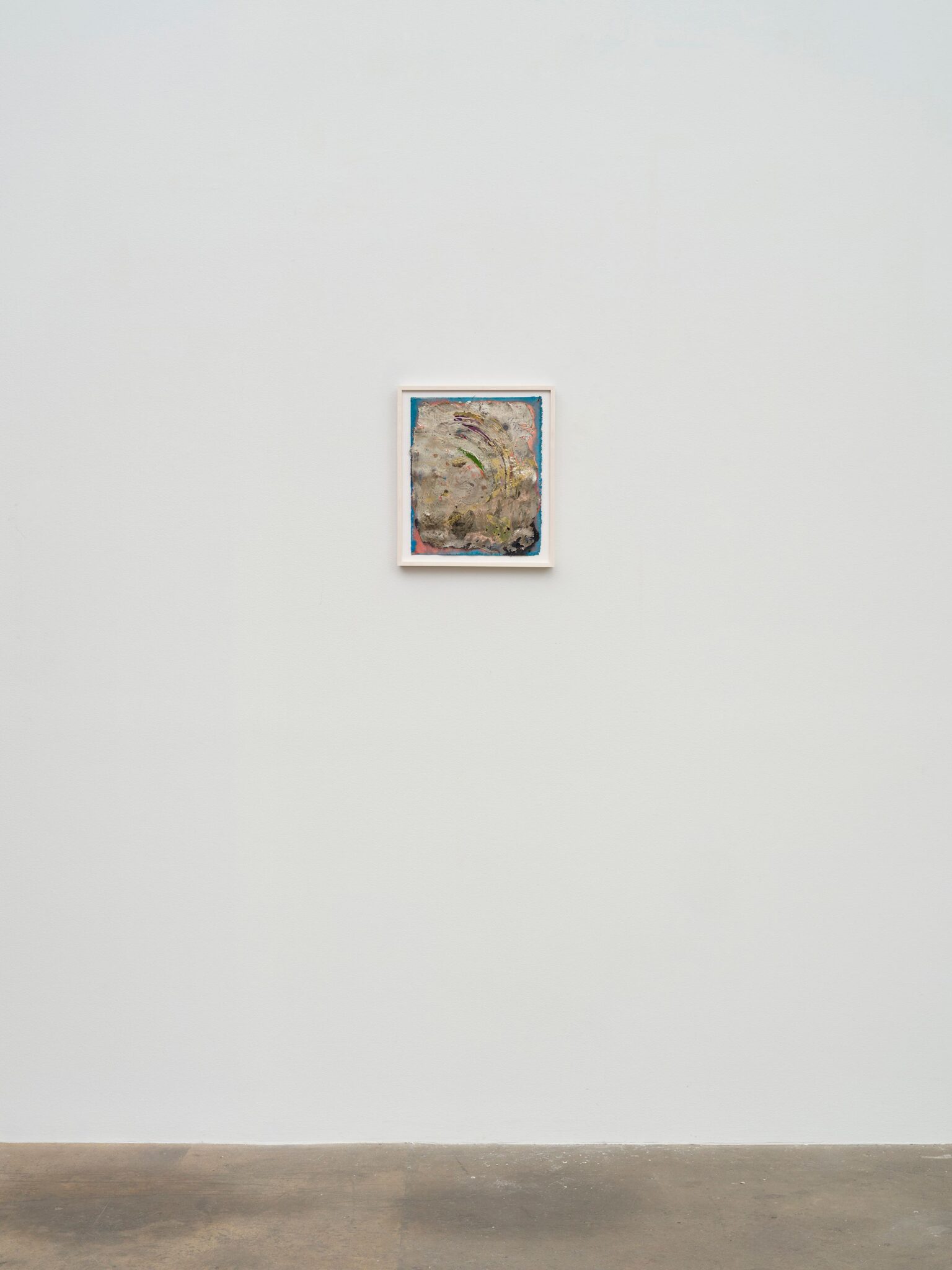
“Becoming Rainbows 12,” 2026
Silver nitrate, acrylic paint on canvas
14" x 12" [HxW] (35.56 x 30.48 cm)
15 ¹³⁄₁₆" x 13 ³⁄₄" x 1 ¹⁄₄" [HxWxD] (40.16 x 34.92 x 3.17 cm) framed
Inventory #ARC798
Courtesy of the artist and Vielmetter Los Angeles
Photo credit: Jeff McLane
“Becoming Rainbows 1,” 2026
Silver nitrate, acrylic paint on canvas
14" x 12" [HxW] (35.56 x 30.48 cm)
15 ¹³⁄₁₆" x 13 ³⁄₄" x 1 ¹⁄₄" [HxWxD] (40.16 x 34.92 x 3.17 cm) framed
Inventory #ARC794
Courtesy of the artist and Vielmetter Los Angeles
Photo credit: Jeff McLane
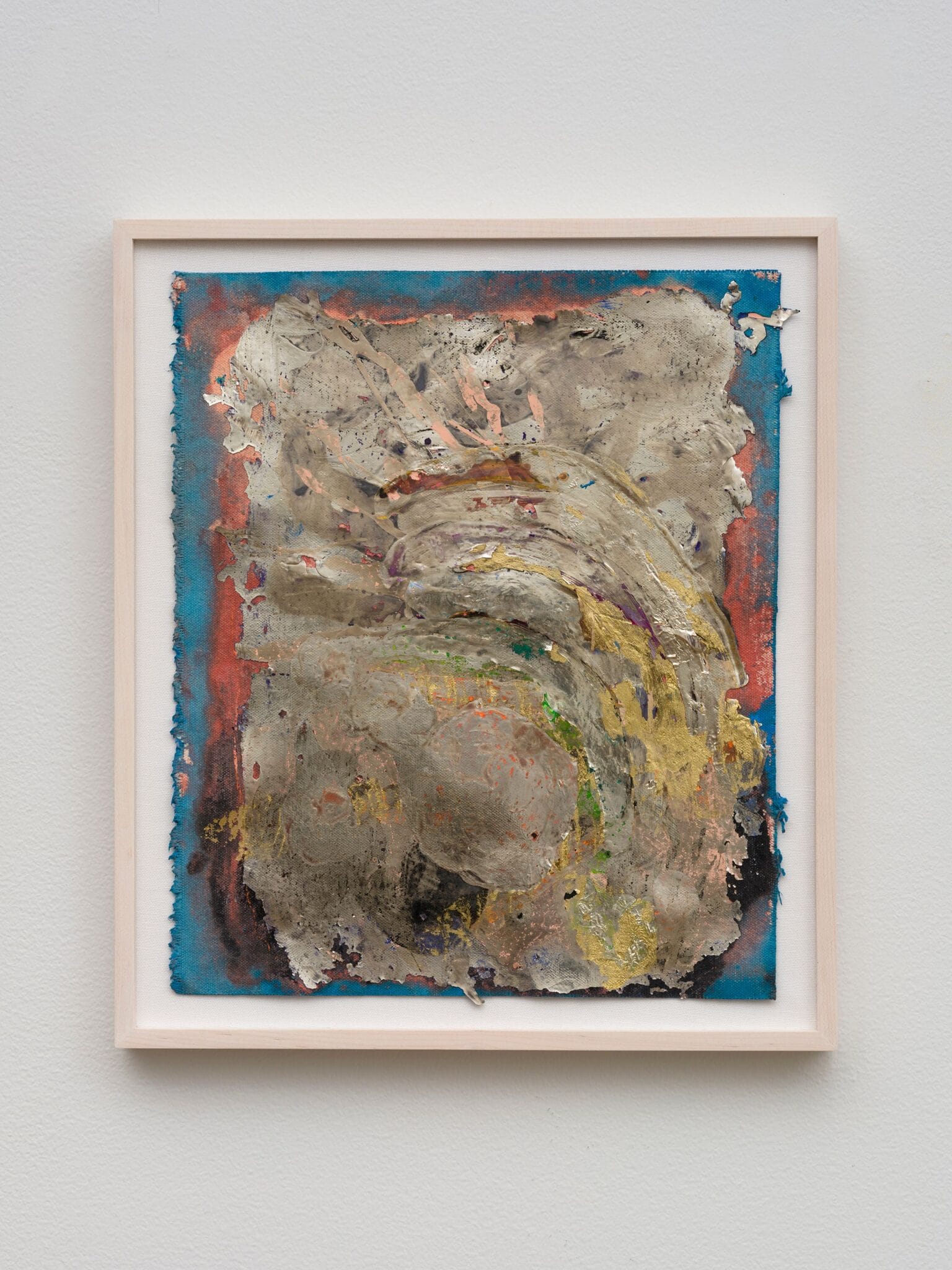
“Becoming Rainbows 1,” 2026
Silver nitrate, acrylic paint on canvas
14" x 12" [HxW] (35.56 x 30.48 cm)
15 ¹³⁄₁₆" x 13 ³⁄₄" x 1 ¹⁄₄" [HxWxD] (40.16 x 34.92 x 3.17 cm) framed
Inventory #ARC794
Courtesy of the artist and Vielmetter Los Angeles
Photo credit: Jeff McLane
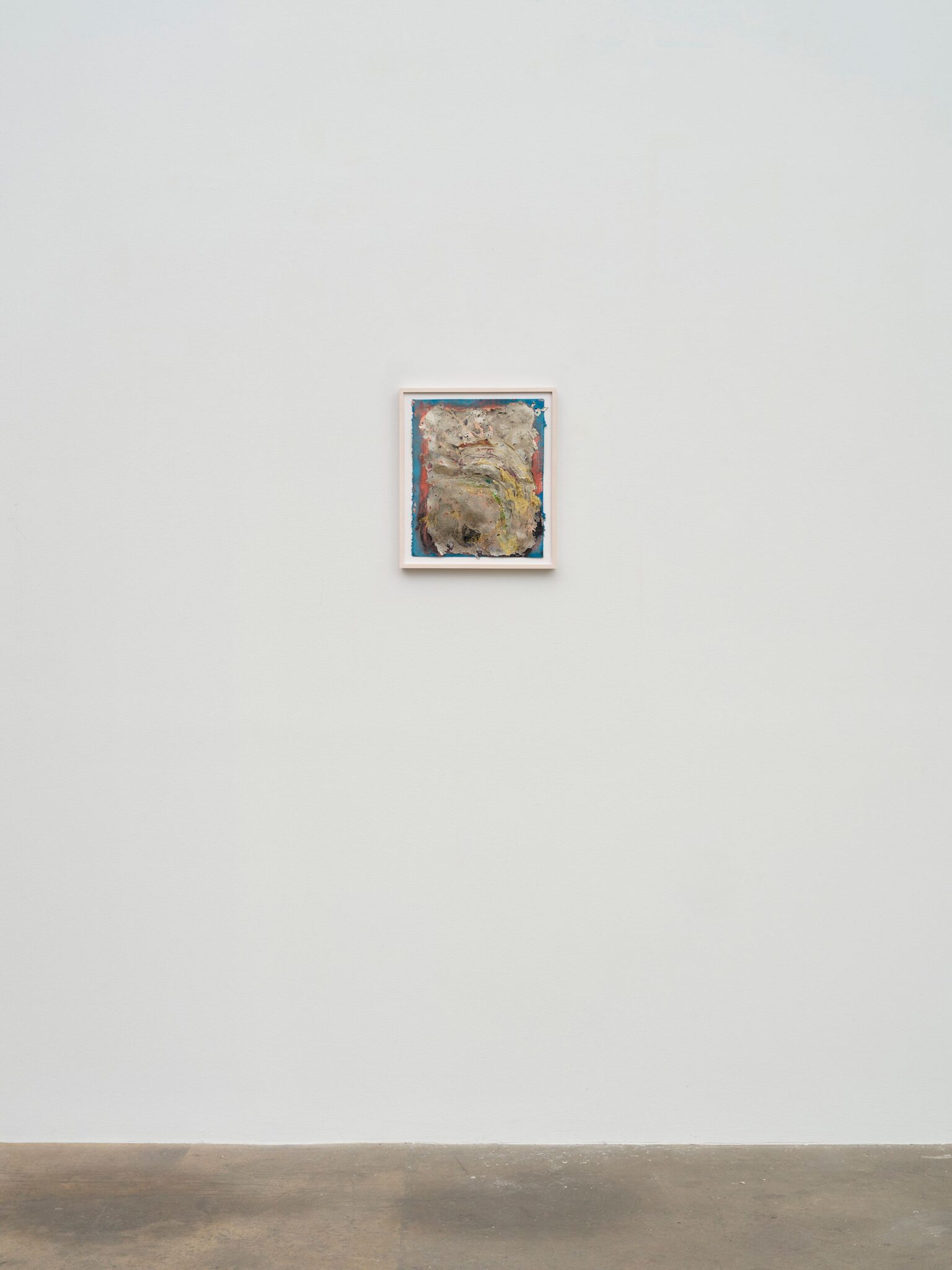
“Becoming Rainbows 1,” 2026
Silver nitrate, acrylic paint on canvas
14" x 12" [HxW] (35.56 x 30.48 cm)
15 ¹³⁄₁₆" x 13 ³⁄₄" x 1 ¹⁄₄" [HxWxD] (40.16 x 34.92 x 3.17 cm) framed
Inventory #ARC794
Courtesy of the artist and Vielmetter Los Angeles
Photo credit: Jeff McLane
“Becoming Rainbows 5,” 2026
Silver nitrate, acrylic paint on canvas
14" x 12" [HxW] (35.56 x 30.48 cm)
15 ¹³⁄₁₆" x 13 ³⁄₄" x 1 ¹⁄₄" [HxWxD] (40.16 x 34.92 x 3.17 cm) framed
Inventory #ARC799
Courtesy of the artist and Vielmetter Los Angeles
Photo credit: Jeff McLane
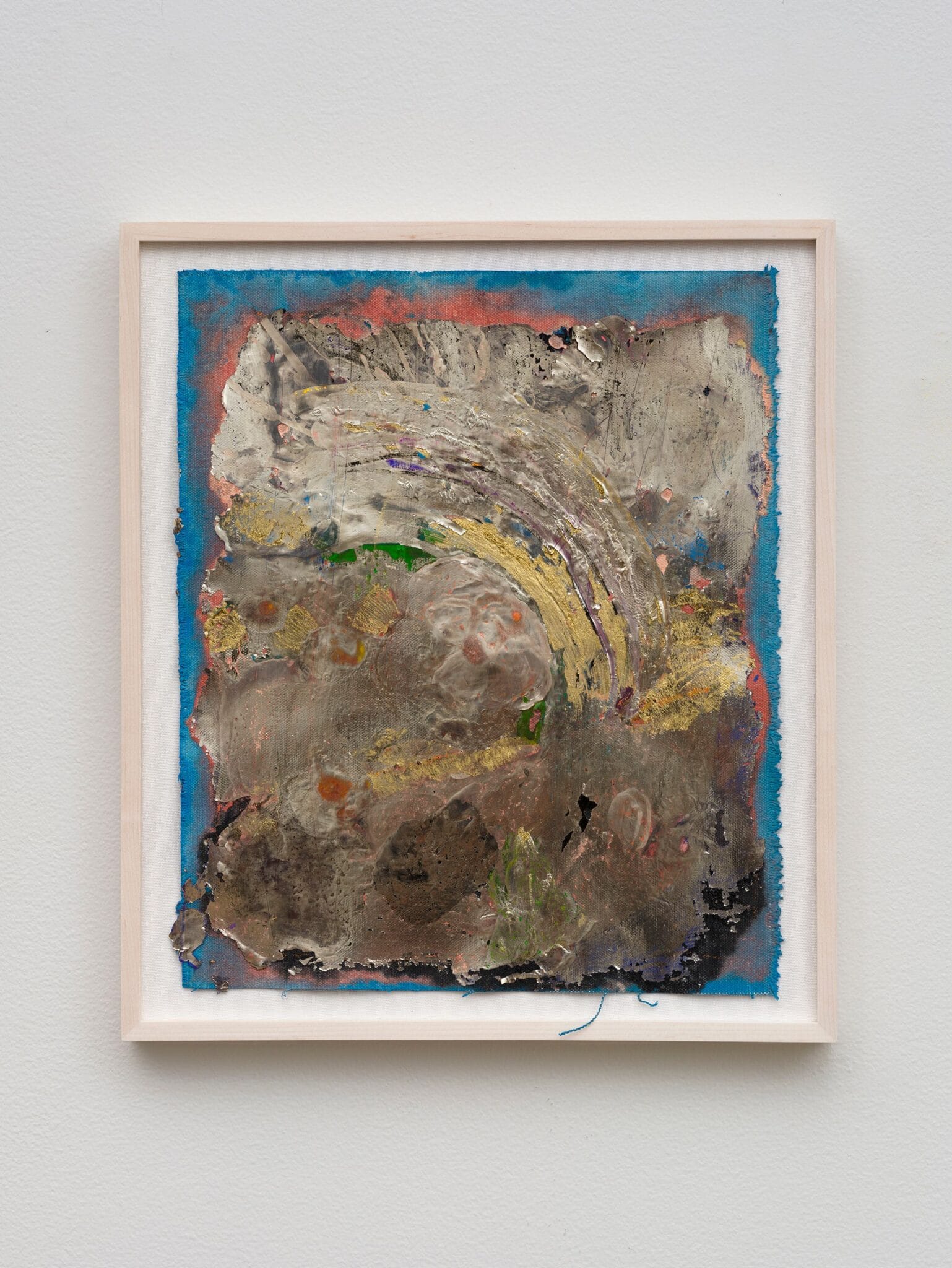
“Becoming Rainbows 5,” 2026
Silver nitrate, acrylic paint on canvas
14" x 12" [HxW] (35.56 x 30.48 cm)
15 ¹³⁄₁₆" x 13 ³⁄₄" x 1 ¹⁄₄" [HxWxD] (40.16 x 34.92 x 3.17 cm) framed
Inventory #ARC799
Courtesy of the artist and Vielmetter Los Angeles
Photo credit: Jeff McLane
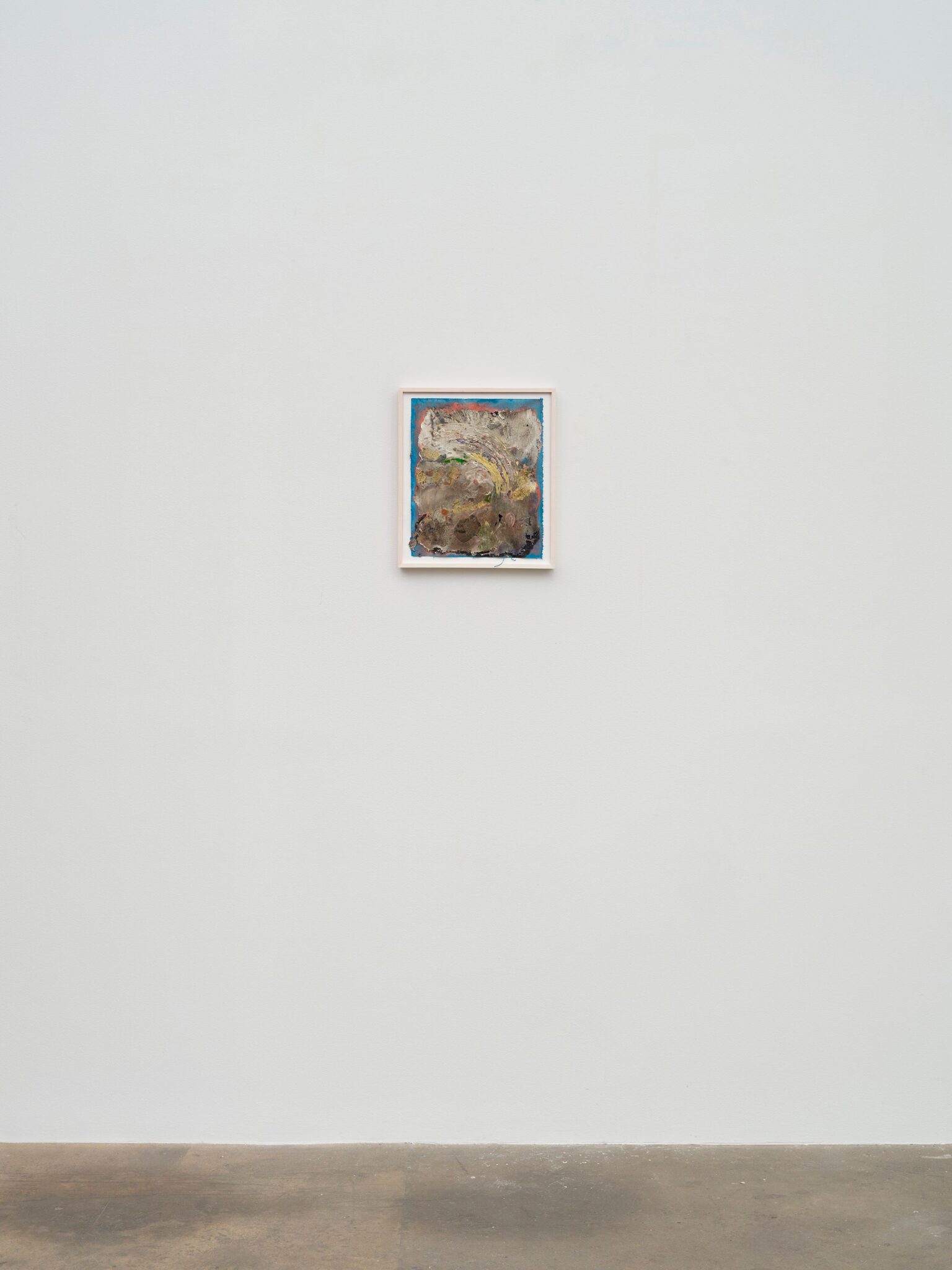
“Becoming Rainbows 5,” 2026
Silver nitrate, acrylic paint on canvas
14" x 12" [HxW] (35.56 x 30.48 cm)
15 ¹³⁄₁₆" x 13 ³⁄₄" x 1 ¹⁄₄" [HxWxD] (40.16 x 34.92 x 3.17 cm) framed
Inventory #ARC799
Courtesy of the artist and Vielmetter Los Angeles
Photo credit: Jeff McLane
“Becoming Rainbows 7,” 2026
Silver nitrate, acrylic paint on canvas
14" x 12" [HxW] (35.56 x 30.48 cm)
15 ¹³⁄₁₆" x 13 ³⁄₄" x 1 ¹⁄₄" [HxWxD] (40.16 x 34.92 x 3.17 cm) framed
Inventory #ARC801
Courtesy of the artist and Vielmetter Los Angeles
Photo credit: Jeff McLane
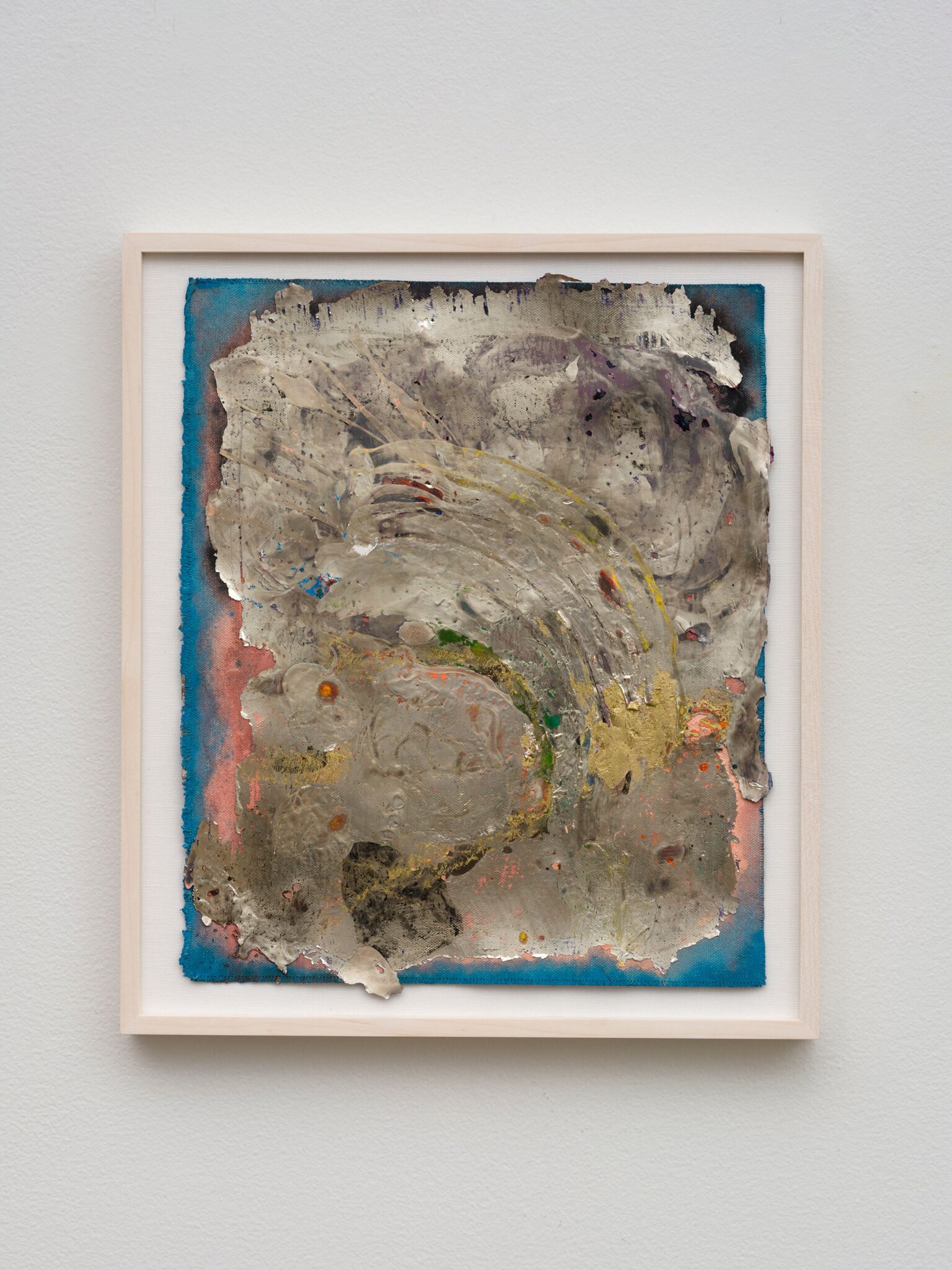
“Becoming Rainbows 7,” 2026
Silver nitrate, acrylic paint on canvas
14" x 12" [HxW] (35.56 x 30.48 cm)
15 ¹³⁄₁₆" x 13 ³⁄₄" x 1 ¹⁄₄" [HxWxD] (40.16 x 34.92 x 3.17 cm) framed
Inventory #ARC801
Courtesy of the artist and Vielmetter Los Angeles
Photo credit: Jeff McLane
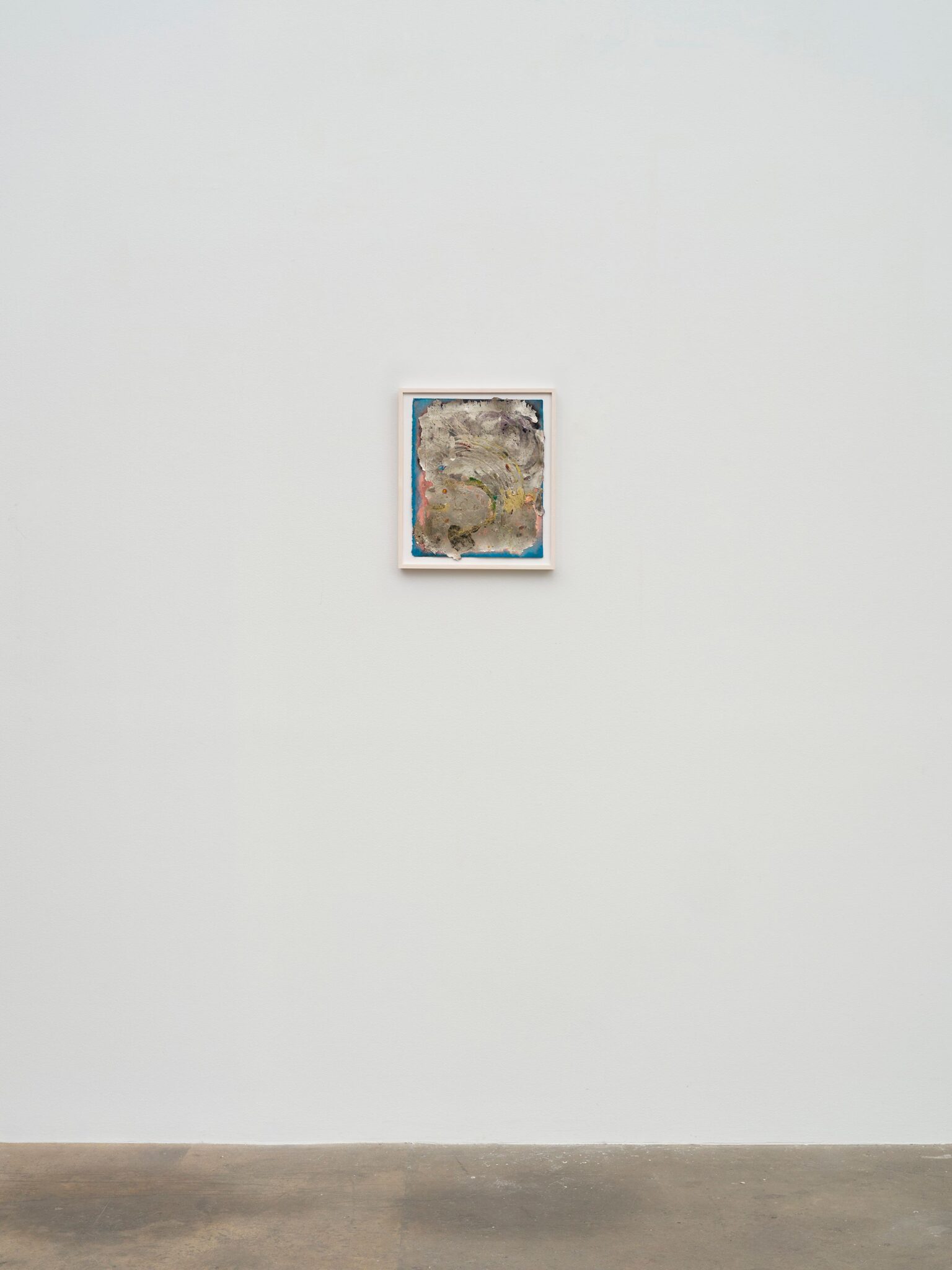
“Becoming Rainbows 7,” 2026
Silver nitrate, acrylic paint on canvas
14" x 12" [HxW] (35.56 x 30.48 cm)
15 ¹³⁄₁₆" x 13 ³⁄₄" x 1 ¹⁄₄" [HxWxD] (40.16 x 34.92 x 3.17 cm) framed
Inventory #ARC801
Courtesy of the artist and Vielmetter Los Angeles
Photo credit: Jeff McLane
“Becoming Rainbows 10,” 2026
Silver nitrate, acrylic paint on canvas
14" x 12" [HxW] (35.56 x 30.48 cm)
15 ¹³⁄₁₆" x 13 ³⁄₄" x 1 ¹⁄₄" [HxWxD] (40.15 x 34.92 x 3.17 cm) framed
Inventory #ARC804
Courtesy of the artist and Vielmetter Los Angeles
Photo credit: Jeff McLane
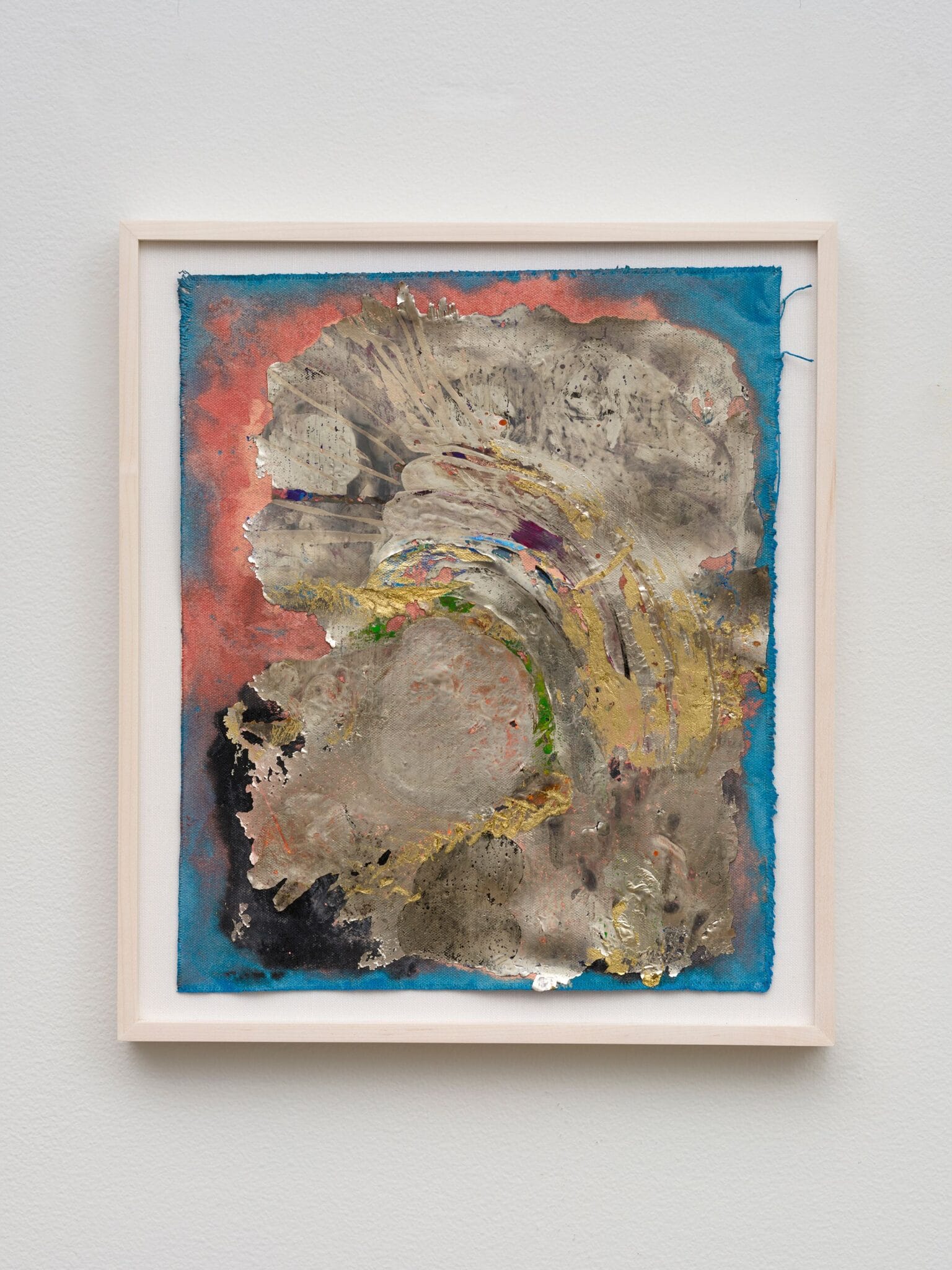
“Becoming Rainbows 10,” 2026
Silver nitrate, acrylic paint on canvas
14" x 12" [HxW] (35.56 x 30.48 cm)
15 ¹³⁄₁₆" x 13 ³⁄₄" x 1 ¹⁄₄" [HxWxD] (40.15 x 34.92 x 3.17 cm) framed
Inventory #ARC804
Courtesy of the artist and Vielmetter Los Angeles
Photo credit: Jeff McLane
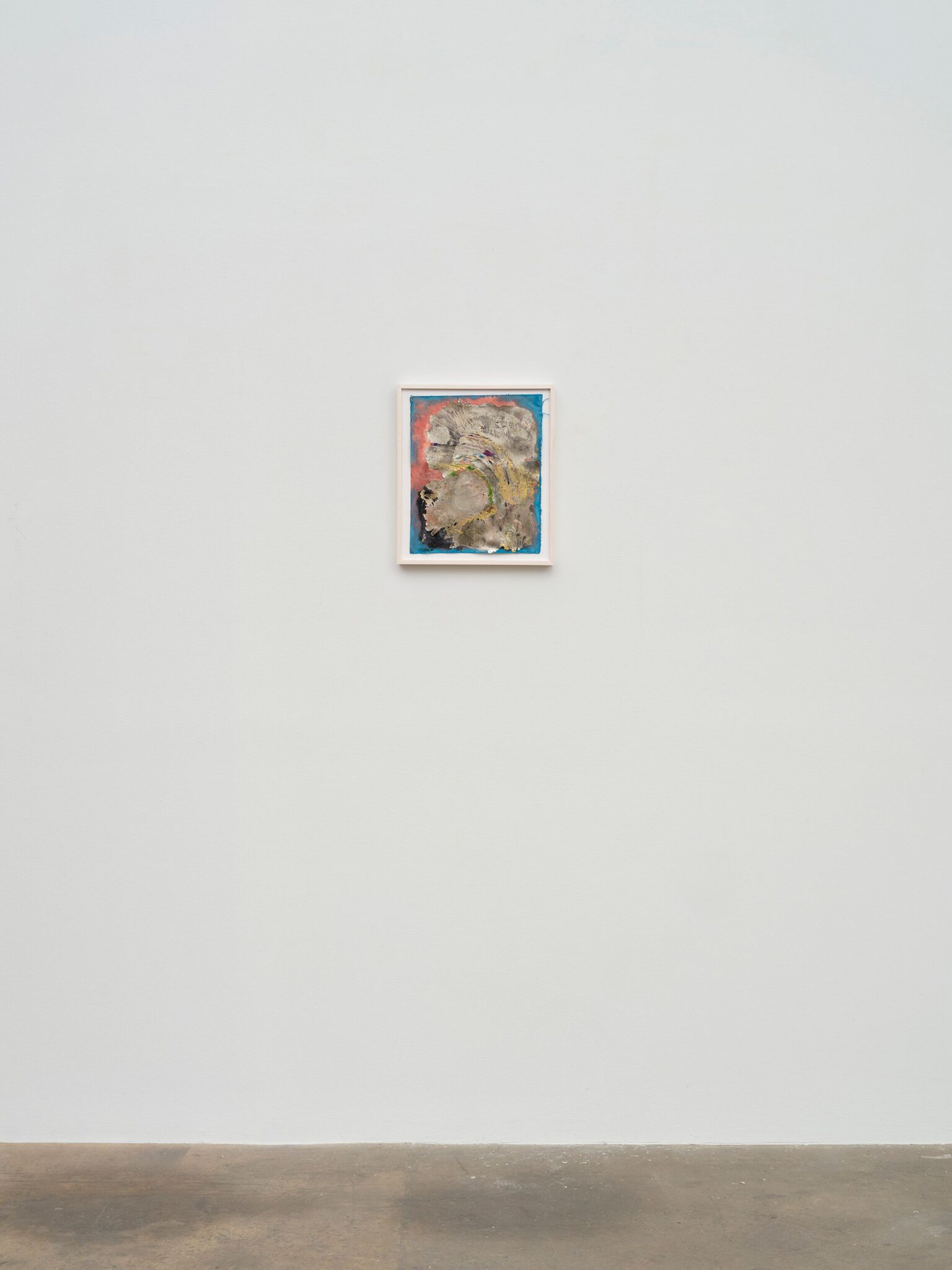
“Becoming Rainbows 10,” 2026
Silver nitrate, acrylic paint on canvas
14" x 12" [HxW] (35.56 x 30.48 cm)
15 ¹³⁄₁₆" x 13 ³⁄₄" x 1 ¹⁄₄" [HxWxD] (40.15 x 34.92 x 3.17 cm) framed
Inventory #ARC804
Courtesy of the artist and Vielmetter Los Angeles
Photo credit: Jeff McLane
“Becoming Rainbows 3,” 2026
Silver nitrate, acrylic paint on canvas
14" x 12" [HxW] (35.56 x 30.48 cm)
15 ¹³⁄₁₆" x 13 ³⁄₄" x 1 ¹⁄₄" [HxWxD] (40.16 x 34.92 x 3.17 cm) framed
Inventory #ARC796
Courtesy of the artist and Vielmetter Los Angeles
Photo credit: Jeff McLane
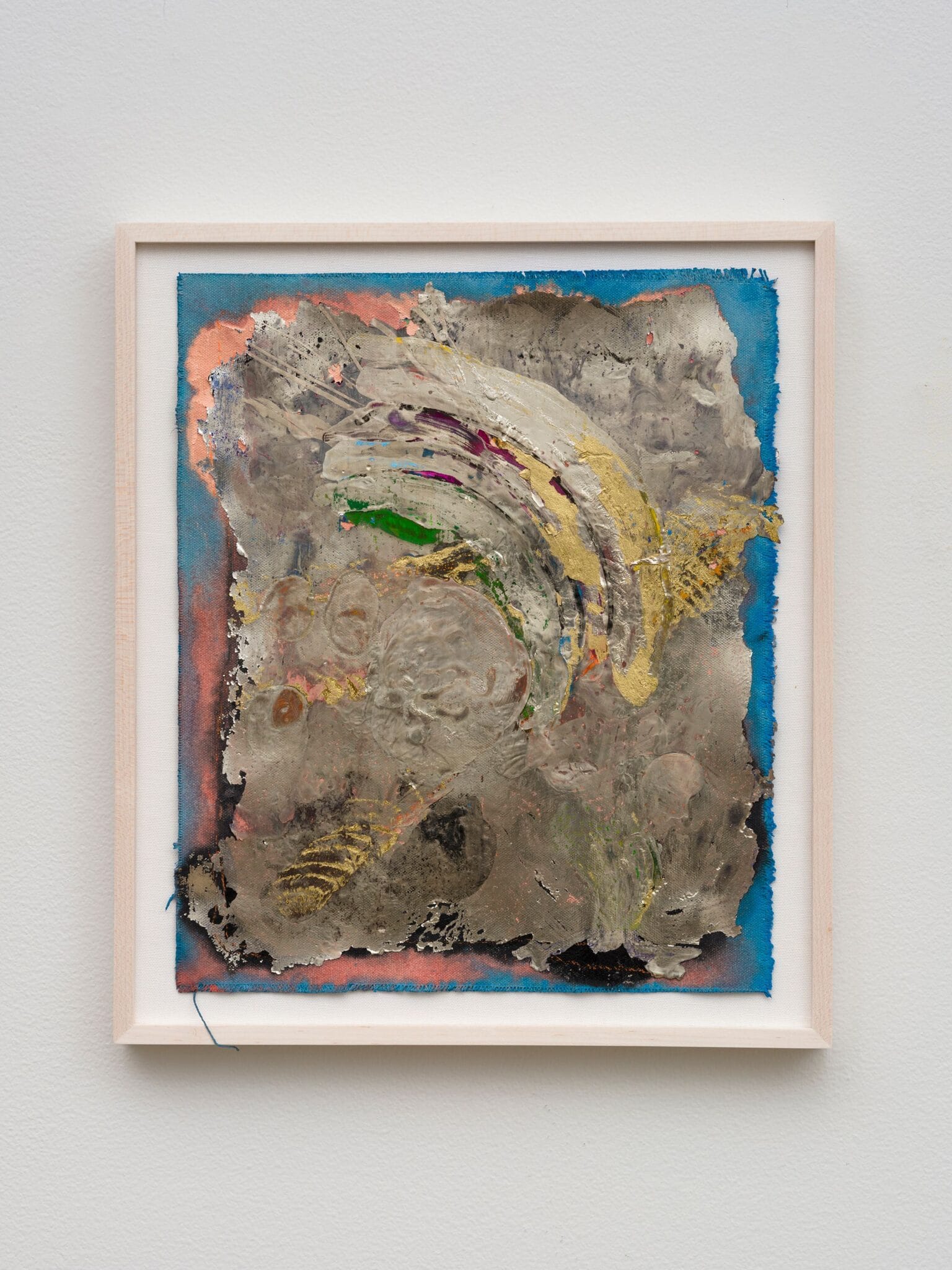
“Becoming Rainbows 3,” 2026
Silver nitrate, acrylic paint on canvas
14" x 12" [HxW] (35.56 x 30.48 cm)
15 ¹³⁄₁₆" x 13 ³⁄₄" x 1 ¹⁄₄" [HxWxD] (40.16 x 34.92 x 3.17 cm) framed
Inventory #ARC796
Courtesy of the artist and Vielmetter Los Angeles
Photo credit: Jeff McLane
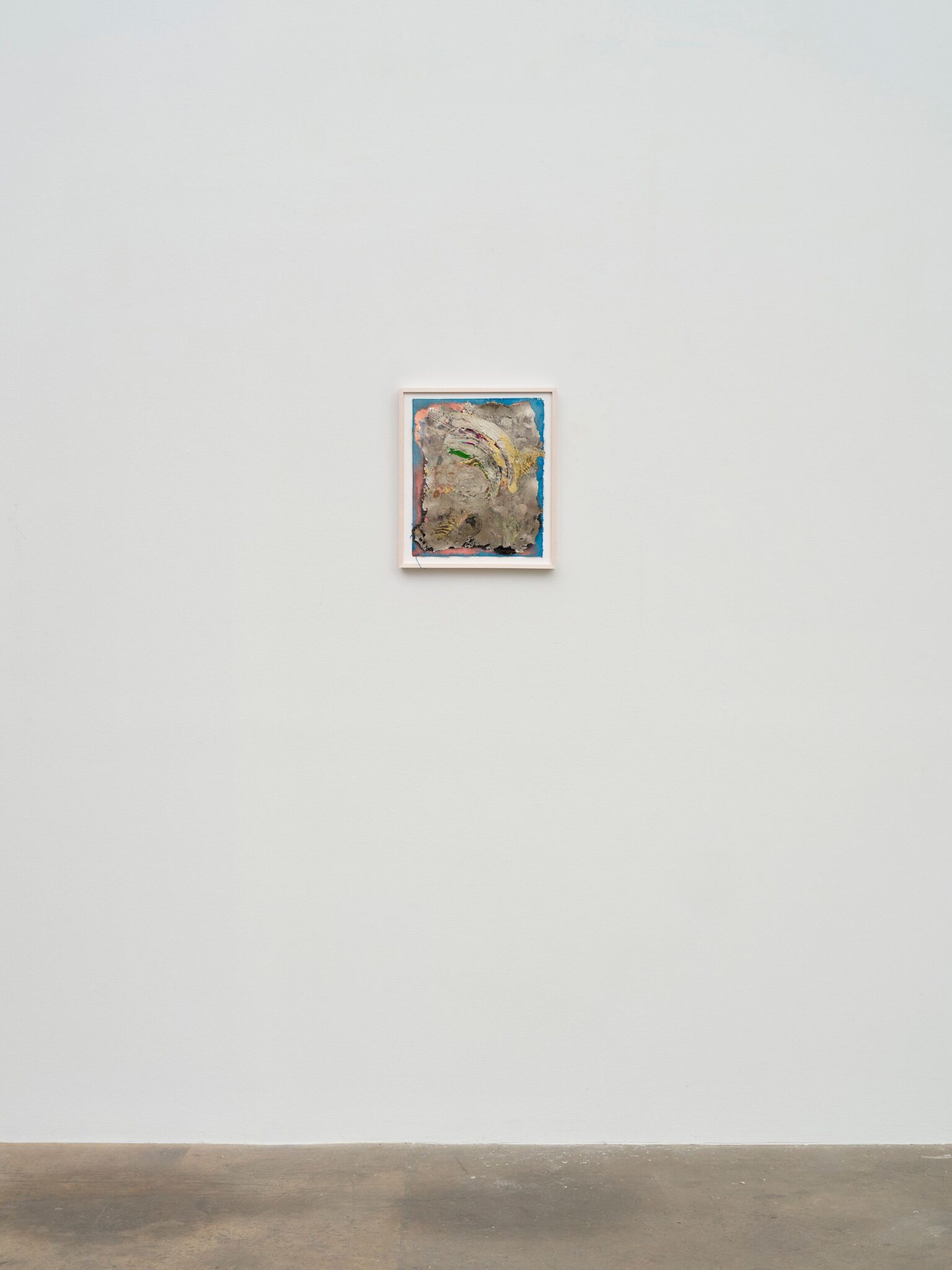
“Becoming Rainbows 3,” 2026
Silver nitrate, acrylic paint on canvas
14" x 12" [HxW] (35.56 x 30.48 cm)
15 ¹³⁄₁₆" x 13 ³⁄₄" x 1 ¹⁄₄" [HxWxD] (40.16 x 34.92 x 3.17 cm) framed
Inventory #ARC796
Courtesy of the artist and Vielmetter Los Angeles
Photo credit: Jeff McLane
“Becoming Rainbows 9,” 2026
Silver nitrate, acrylic paint on canvas
14" x 12" [HxW] (35.56 x 30.48 cm)
15 ¹³⁄₁₆" x 13 ³⁄₄" x 1 ¹⁄₄" [HxWxD] (40.16 x 34.92 x 3.17 cm) framed
Inventory #ARC803
Courtesy of the artist and Vielmetter Los Angeles
Photo credit: Jeff McLane
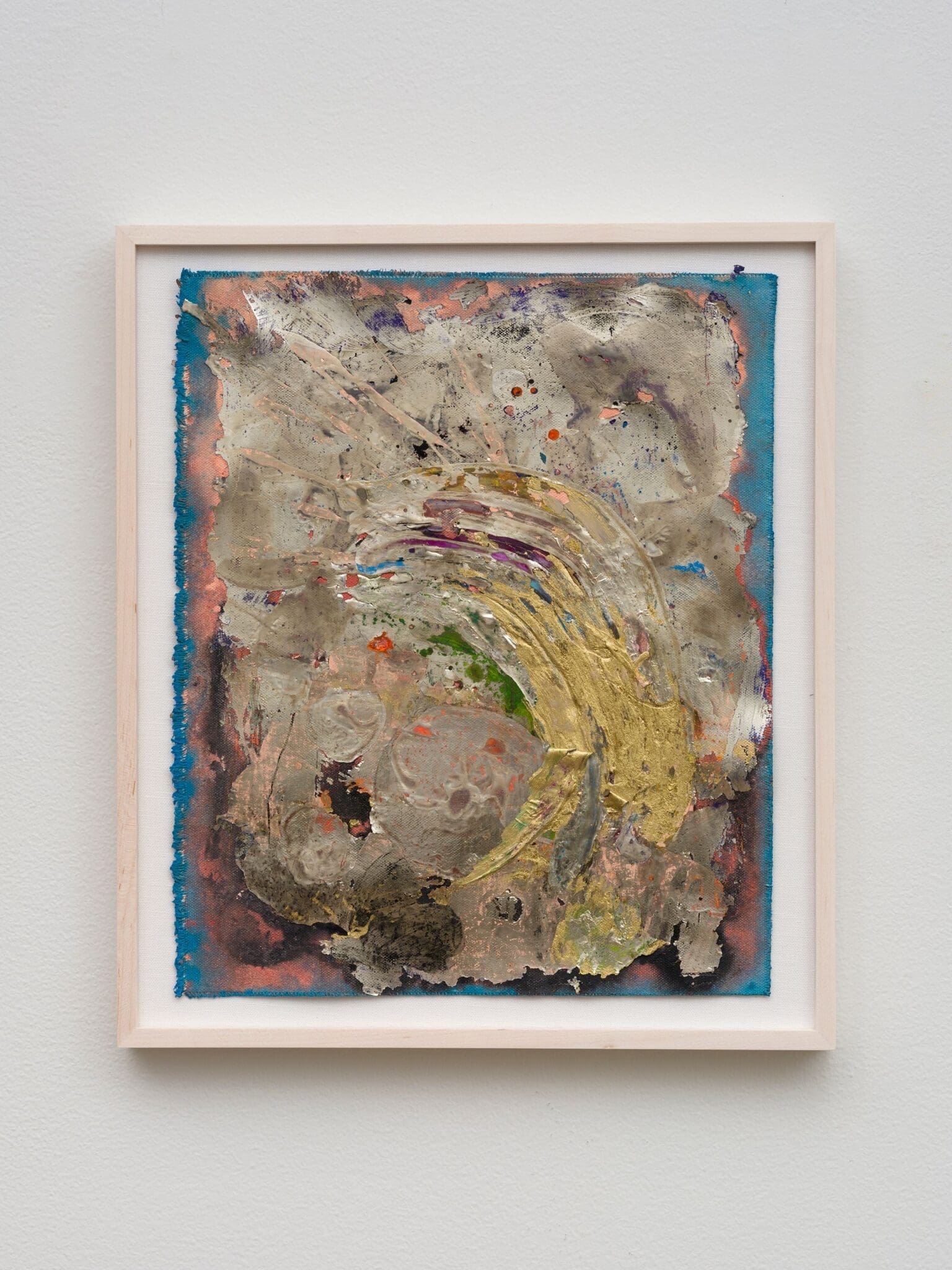
“Becoming Rainbows 9,” 2026
Silver nitrate, acrylic paint on canvas
14" x 12" [HxW] (35.56 x 30.48 cm)
15 ¹³⁄₁₆" x 13 ³⁄₄" x 1 ¹⁄₄" [HxWxD] (40.16 x 34.92 x 3.17 cm) framed
Inventory #ARC803
Courtesy of the artist and Vielmetter Los Angeles
Photo credit: Jeff McLane
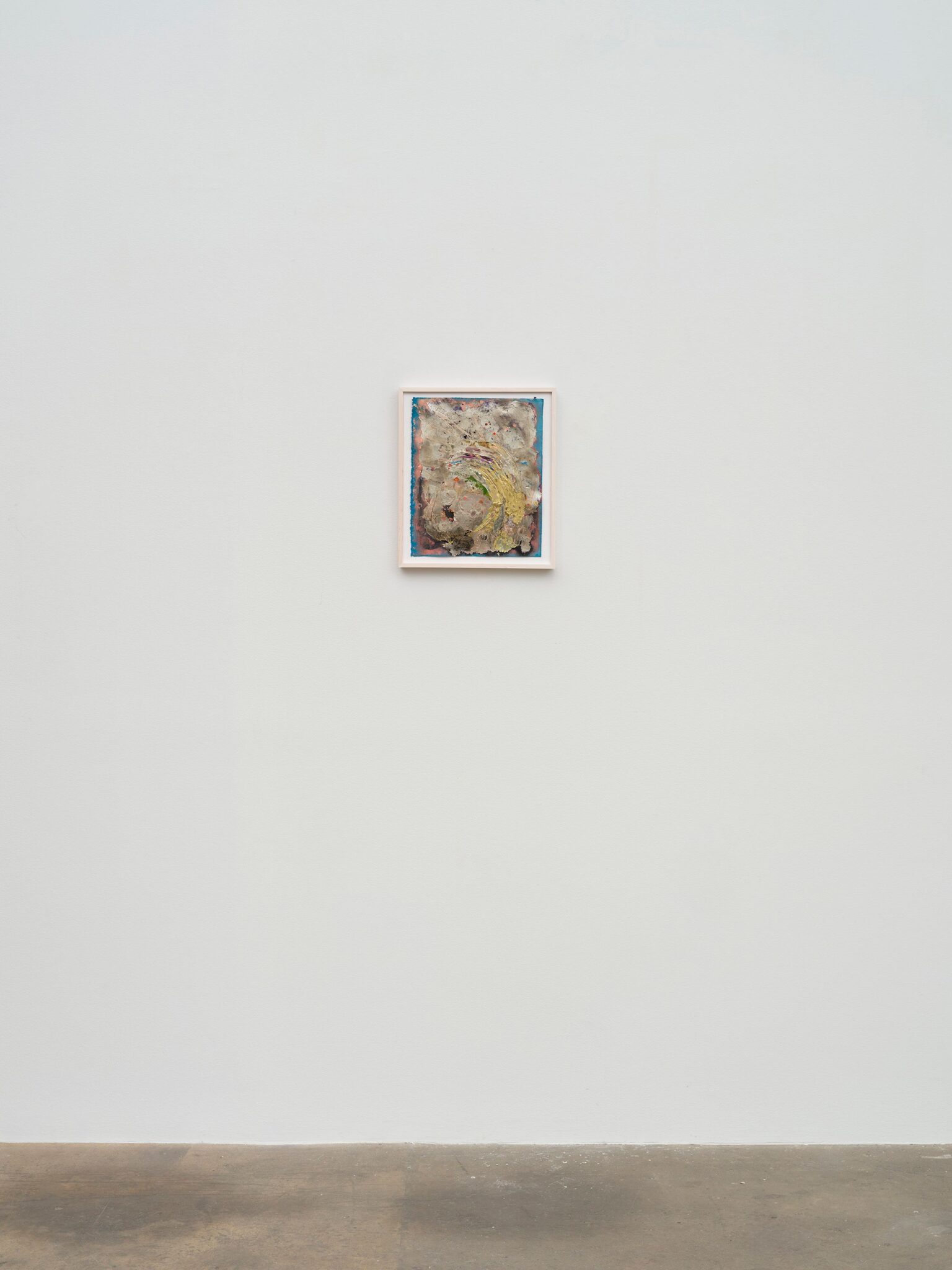
“Becoming Rainbows 9,” 2026
Silver nitrate, acrylic paint on canvas
14" x 12" [HxW] (35.56 x 30.48 cm)
15 ¹³⁄₁₆" x 13 ³⁄₄" x 1 ¹⁄₄" [HxWxD] (40.16 x 34.92 x 3.17 cm) framed
Inventory #ARC803
Courtesy of the artist and Vielmetter Los Angeles
Photo credit: Jeff McLane
“Becoming Rainbows 4,” 2026
Silver nitrate, acrylic paint on canvas
14" x 12" [HxW] (35.56 x 30.48 cm)
15 ¹³⁄₁₆" x 13 ³⁄₄" x 1 ¹⁄₄" [HxWxD] (40.16 x 34.92 x 3.17 cm) framed
Inventory #ARC797
Courtesy of the artist and Vielmetter Los Angeles
Photo credit: Jeff McLane
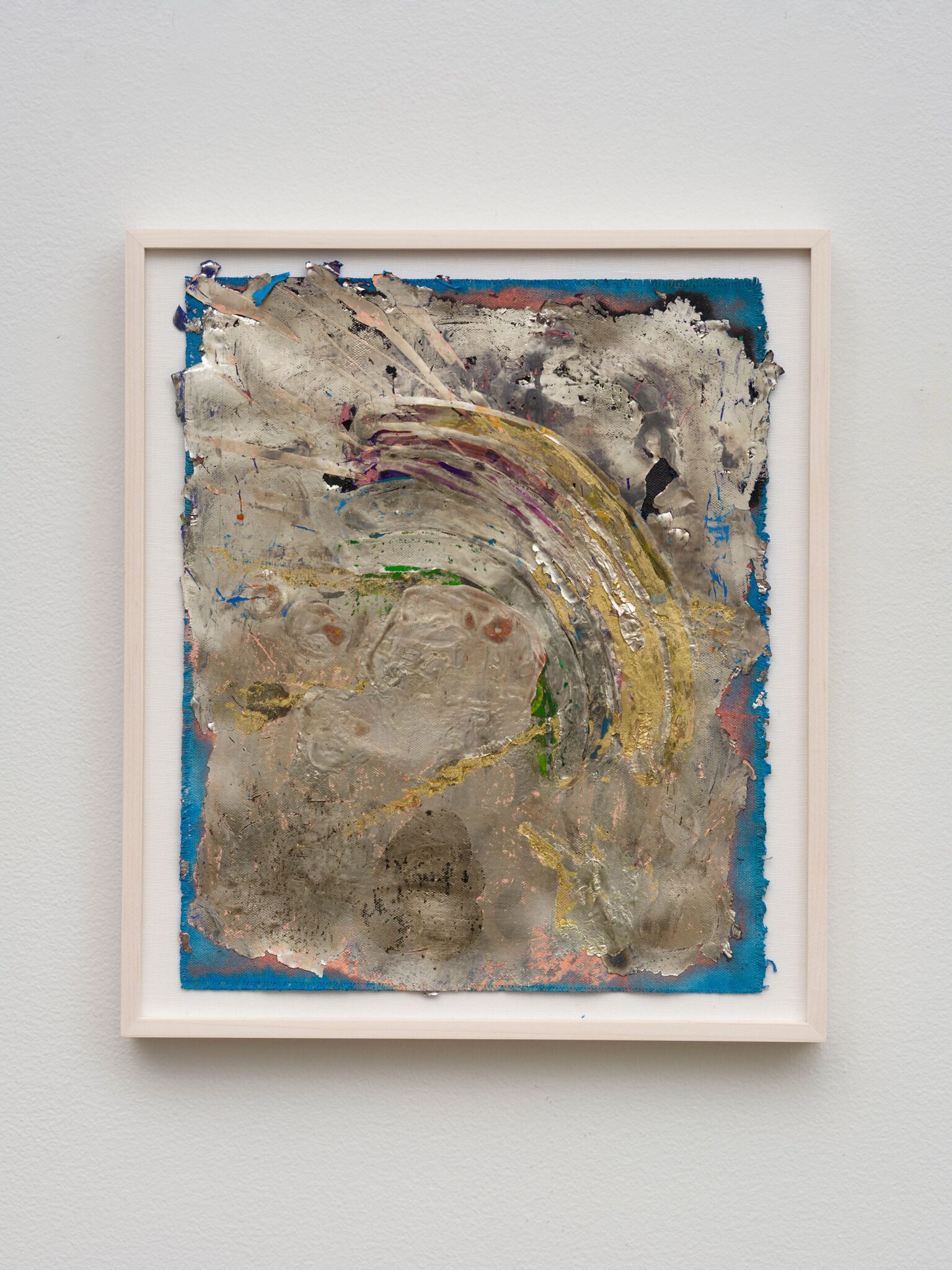
“Becoming Rainbows 4,” 2026
Silver nitrate, acrylic paint on canvas
14" x 12" [HxW] (35.56 x 30.48 cm)
15 ¹³⁄₁₆" x 13 ³⁄₄" x 1 ¹⁄₄" [HxWxD] (40.16 x 34.92 x 3.17 cm) framed
Inventory #ARC797
Courtesy of the artist and Vielmetter Los Angeles
Photo credit: Jeff McLane
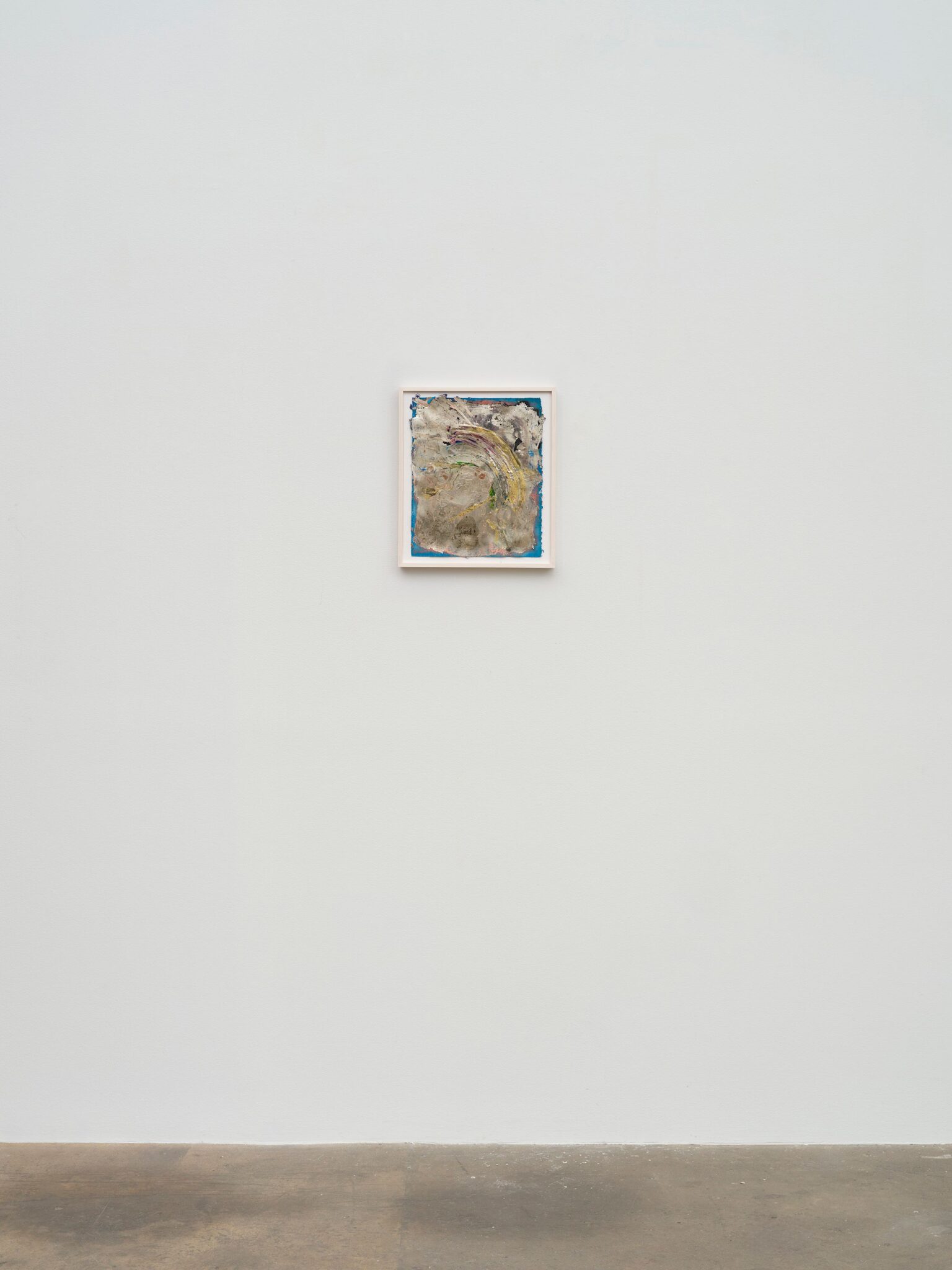
“Becoming Rainbows 4,” 2026
Silver nitrate, acrylic paint on canvas
14" x 12" [HxW] (35.56 x 30.48 cm)
15 ¹³⁄₁₆" x 13 ³⁄₄" x 1 ¹⁄₄" [HxWxD] (40.16 x 34.92 x 3.17 cm) framed
Inventory #ARC797
Courtesy of the artist and Vielmetter Los Angeles
Photo credit: Jeff McLane
“Becoming Rainbows 11,” 2026
Silver nitrate, acrylic paint on canvas
14" x 12" [HxW] (35.56 x 30.48 cm)
15 ¹³⁄₁₆" x 13 ³⁄₄" x 1 ¹⁄₄" [HxWxD] (40.16 x 34.92 x 3.17 cm) framed
Inventory #ARC793
Courtesy of the artist and Vielmetter Los Angeles
Photo credit: Jeff McLane
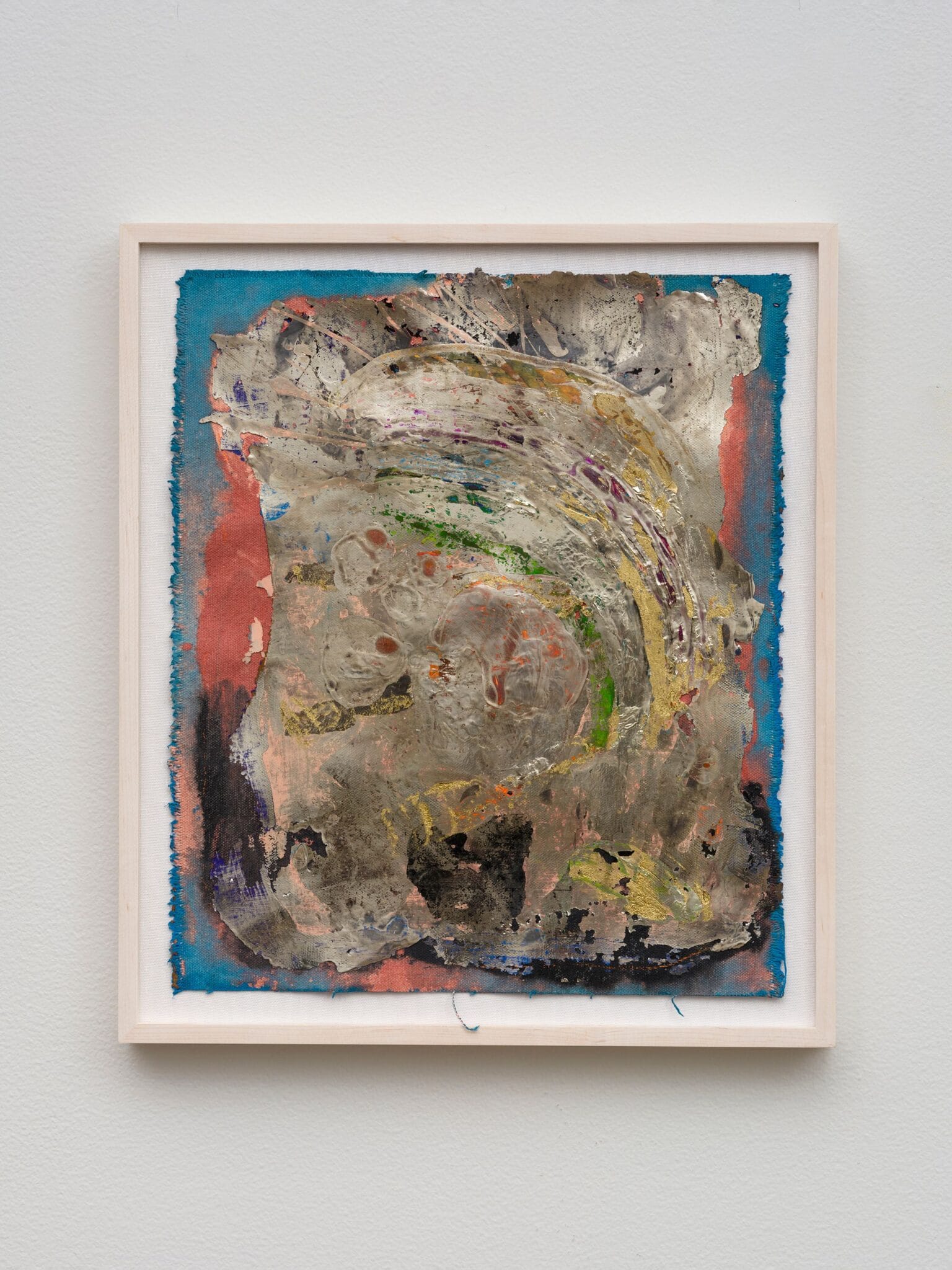
“Becoming Rainbows 11,” 2026
Silver nitrate, acrylic paint on canvas
14" x 12" [HxW] (35.56 x 30.48 cm)
15 ¹³⁄₁₆" x 13 ³⁄₄" x 1 ¹⁄₄" [HxWxD] (40.16 x 34.92 x 3.17 cm) framed
Inventory #ARC793
Courtesy of the artist and Vielmetter Los Angeles
Photo credit: Jeff McLane
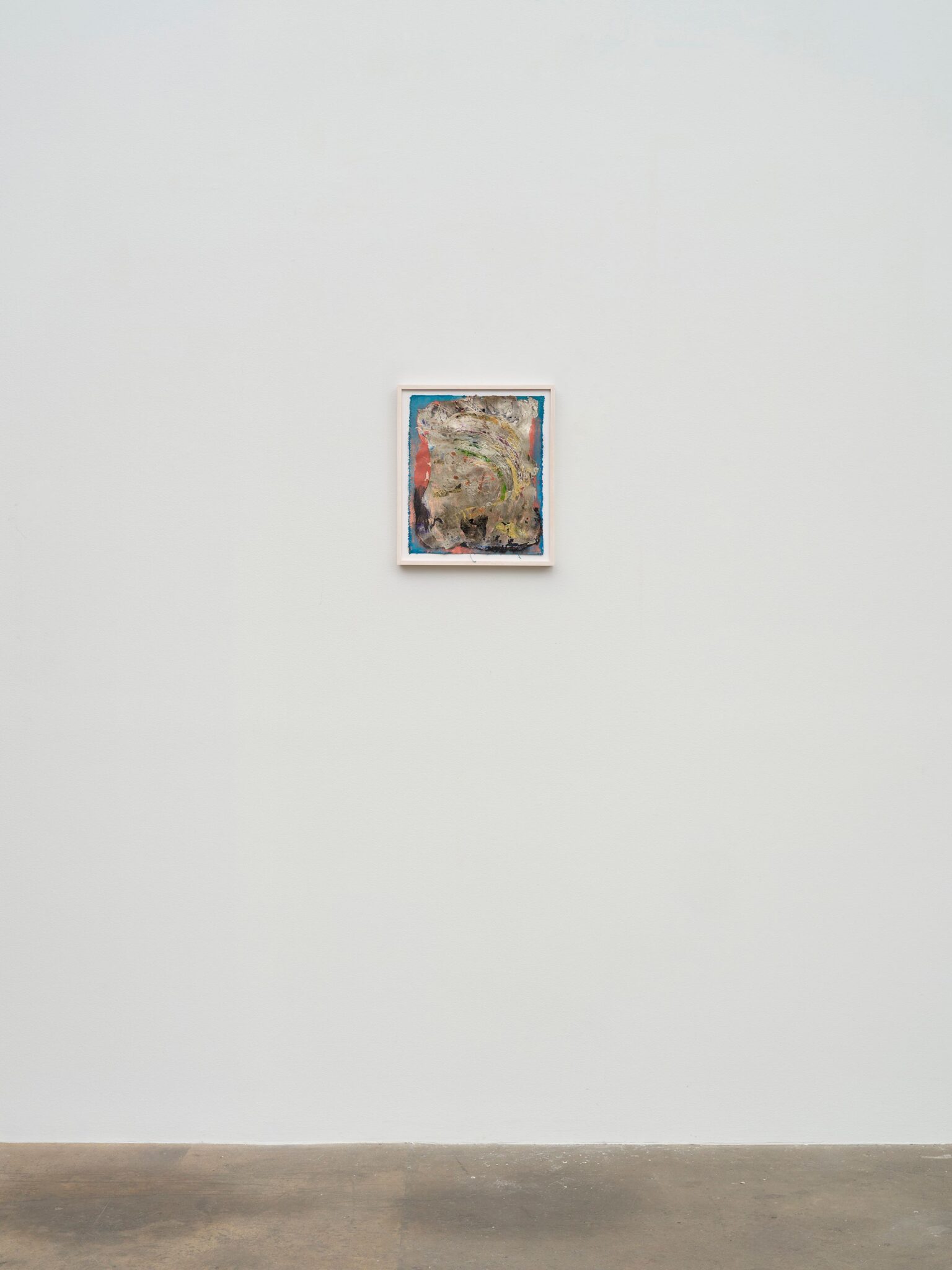
“Becoming Rainbows 11,” 2026
Silver nitrate, acrylic paint on canvas
14" x 12" [HxW] (35.56 x 30.48 cm)
15 ¹³⁄₁₆" x 13 ³⁄₄" x 1 ¹⁄₄" [HxWxD] (40.16 x 34.92 x 3.17 cm) framed
Inventory #ARC793
Courtesy of the artist and Vielmetter Los Angeles
Photo credit: Jeff McLane
“Becoming Rainbows 2,” 2026
Silver nitrate, acrylic paint on canvas
14" x 12" [HxW] (35.56 x 30.48 cm)
15 ¹³⁄₁₆" x 13 ³⁄₄" x 1 ¹⁄₄" [HxWxD] (40.16 x 34.92 x 3.17 cm) framed
Inventory #ARC795
Courtesy of the artist and Vielmetter Los Angeles
Photo credit: Jeff McLane
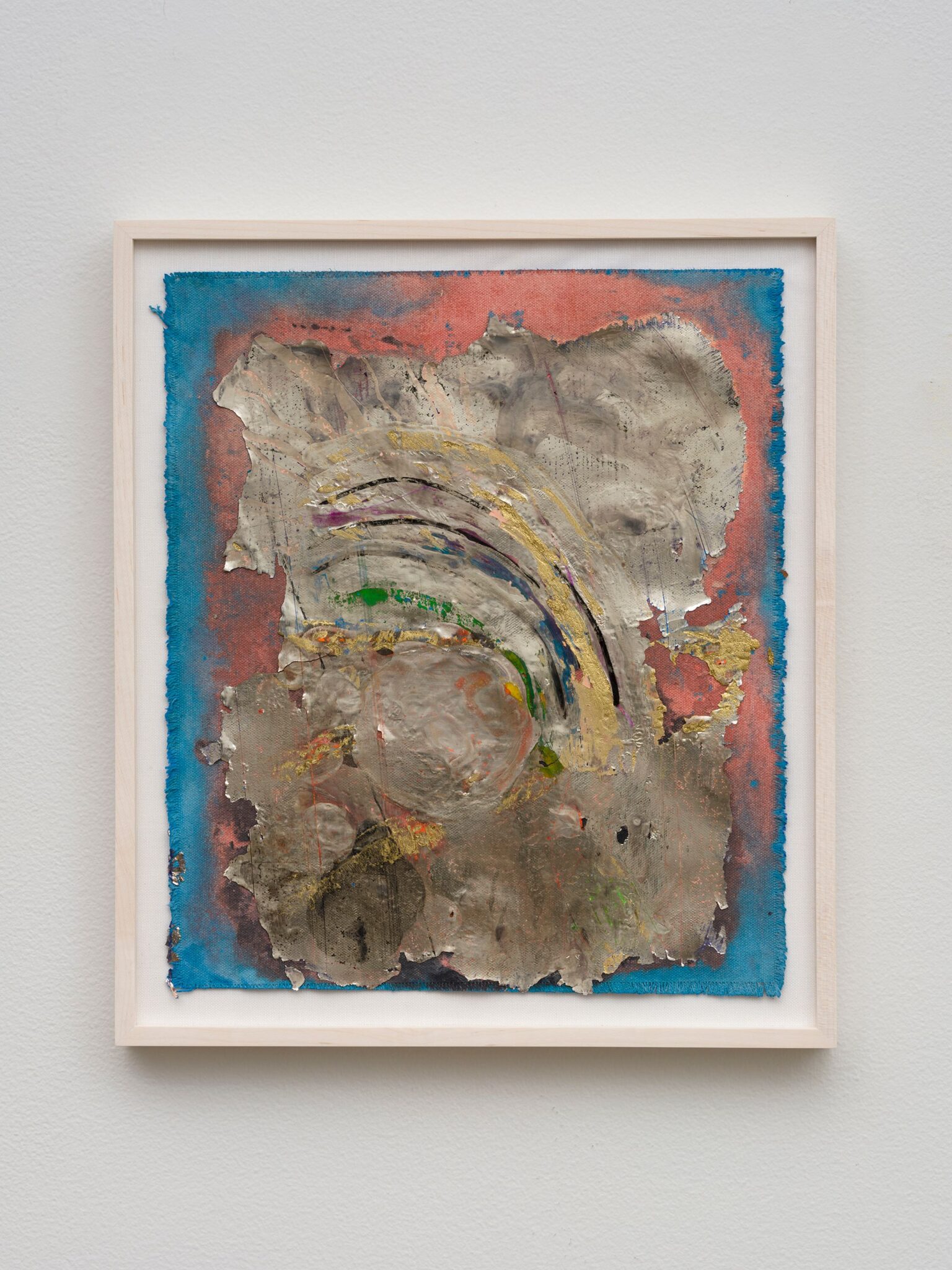
“Becoming Rainbows 2,” 2026
Silver nitrate, acrylic paint on canvas
14" x 12" [HxW] (35.56 x 30.48 cm)
15 ¹³⁄₁₆" x 13 ³⁄₄" x 1 ¹⁄₄" [HxWxD] (40.16 x 34.92 x 3.17 cm) framed
Inventory #ARC795
Courtesy of the artist and Vielmetter Los Angeles
Photo credit: Jeff McLane
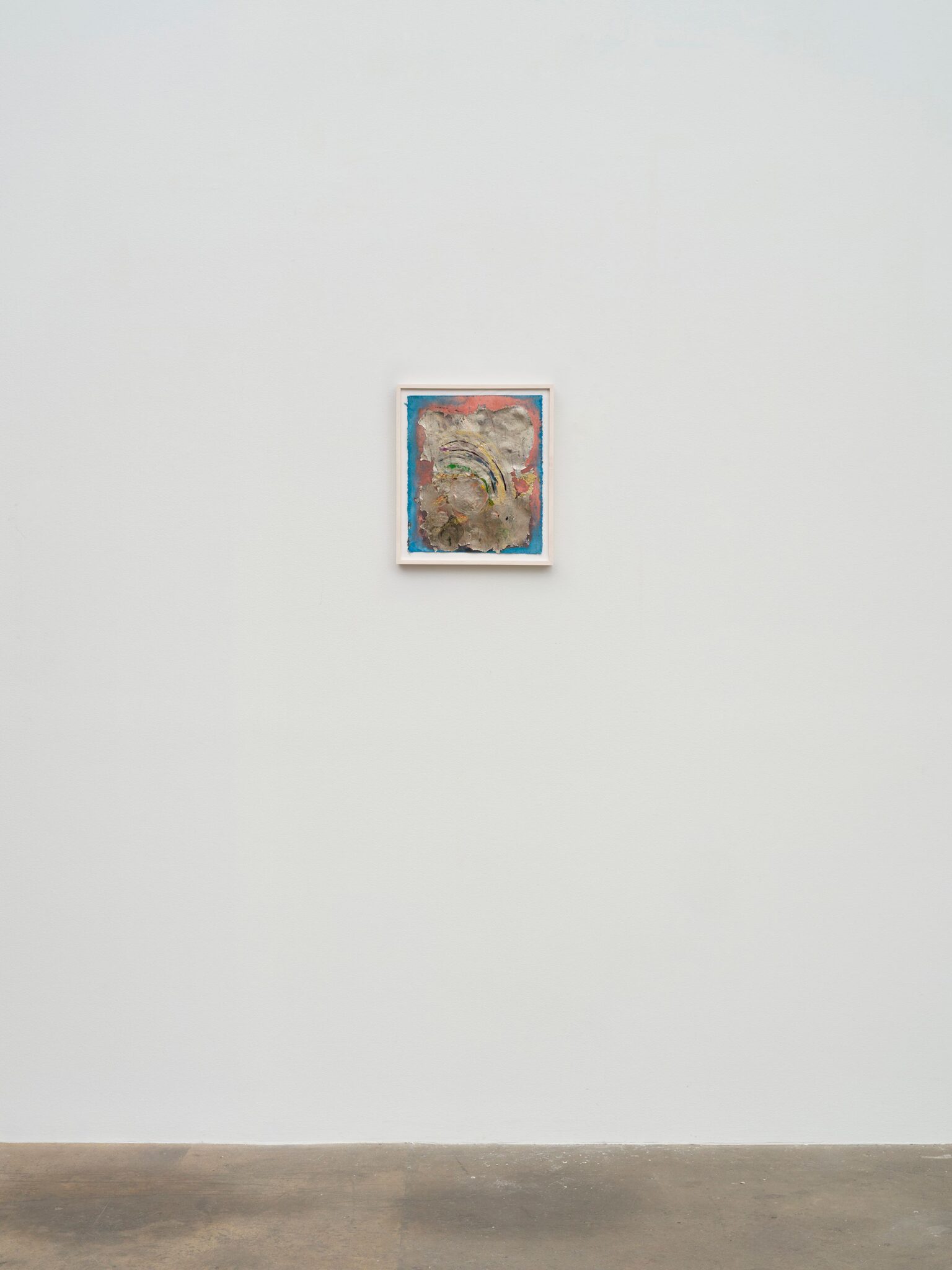
“Becoming Rainbows 2,” 2026
Silver nitrate, acrylic paint on canvas
14" x 12" [HxW] (35.56 x 30.48 cm)
15 ¹³⁄₁₆" x 13 ³⁄₄" x 1 ¹⁄₄" [HxWxD] (40.16 x 34.92 x 3.17 cm) framed
Inventory #ARC795
Courtesy of the artist and Vielmetter Los Angeles
Photo credit: Jeff McLane